



.png)


.png)



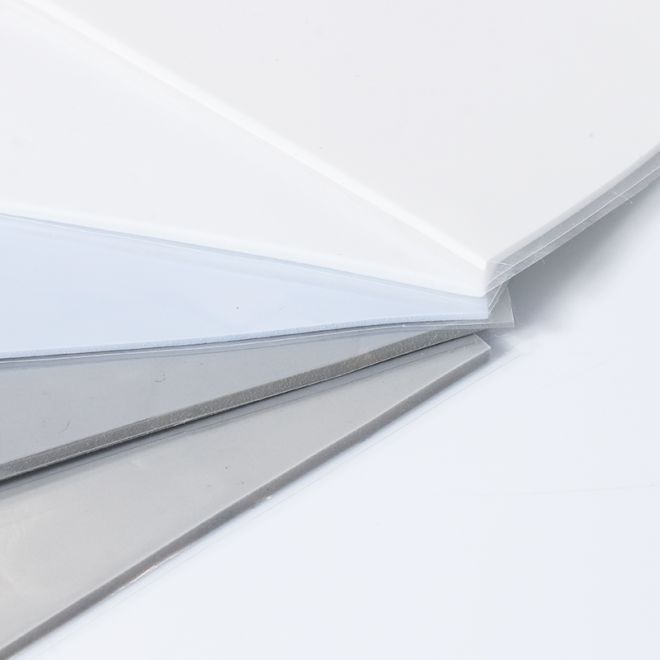
🔥 Key properties of thermal interface materials for high-power electronic devices
Thermal interface materials (TIMs) fill gaps between hot power devices and heat sinks. They cut contact resistance, improve heat flow, and help modules run cooler and longer.
For power electronics, engineers must balance thermal performance, electrical safety, reliability, and cost. Matching TIM properties to device voltage, clamp force, and surface finish is critical.
1. Thermal conductivity and thickness optimization
Higher thermal conductivity allows faster heat transfer, but thickness and contact pressure also matter. Soft pads conform to rough surfaces and reduce air gaps in high-power modules.
- Target ≥2 W/m·K for general power supplies and inverters.
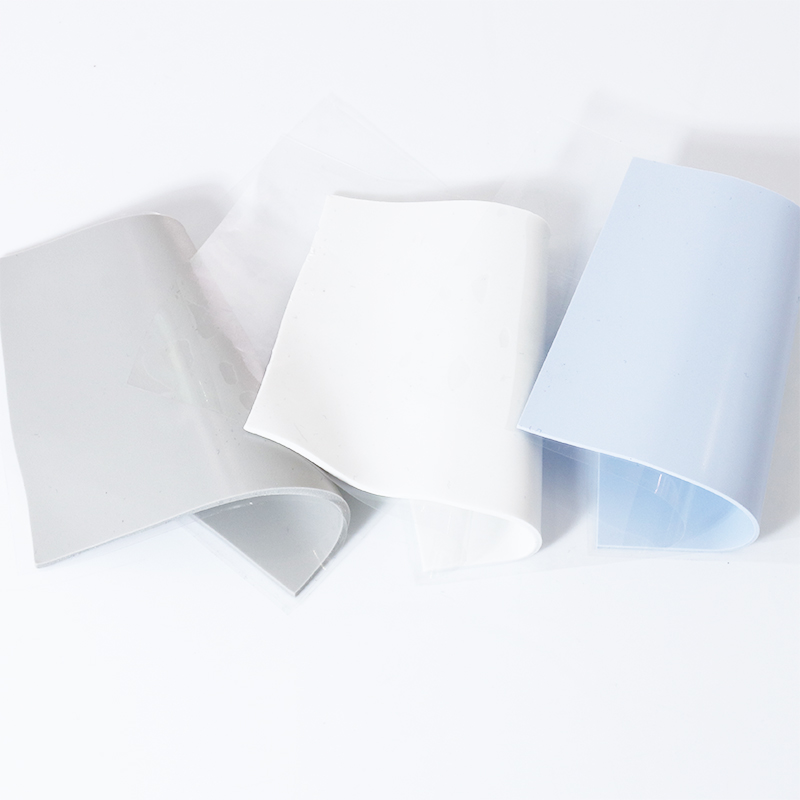
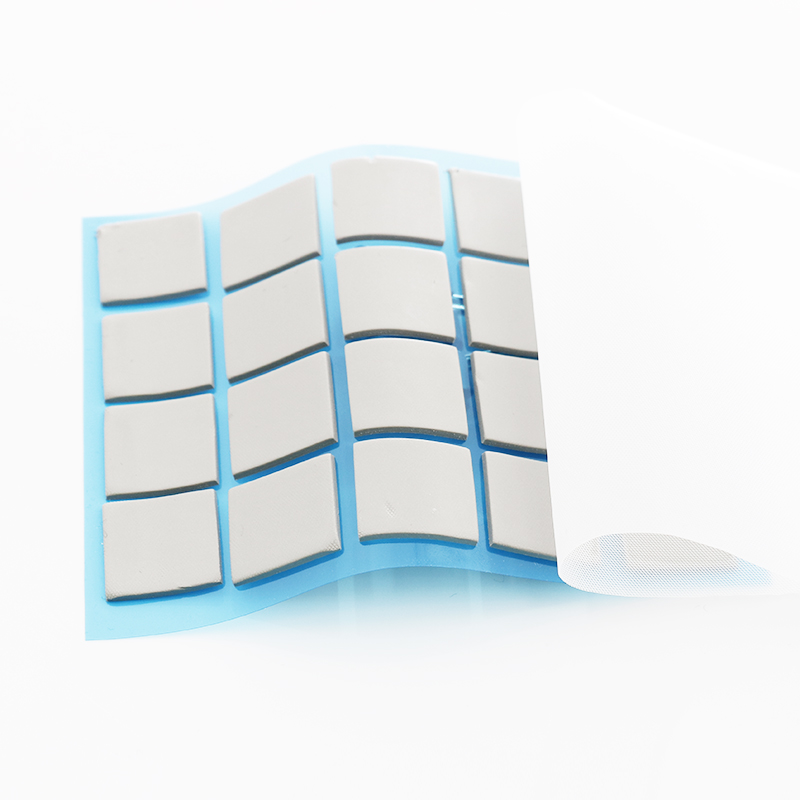
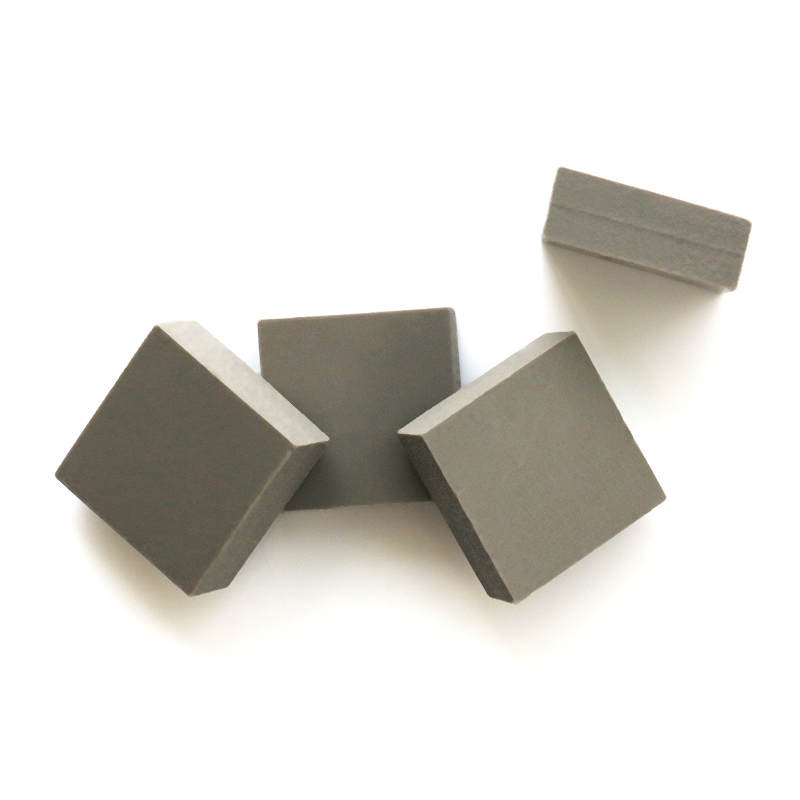
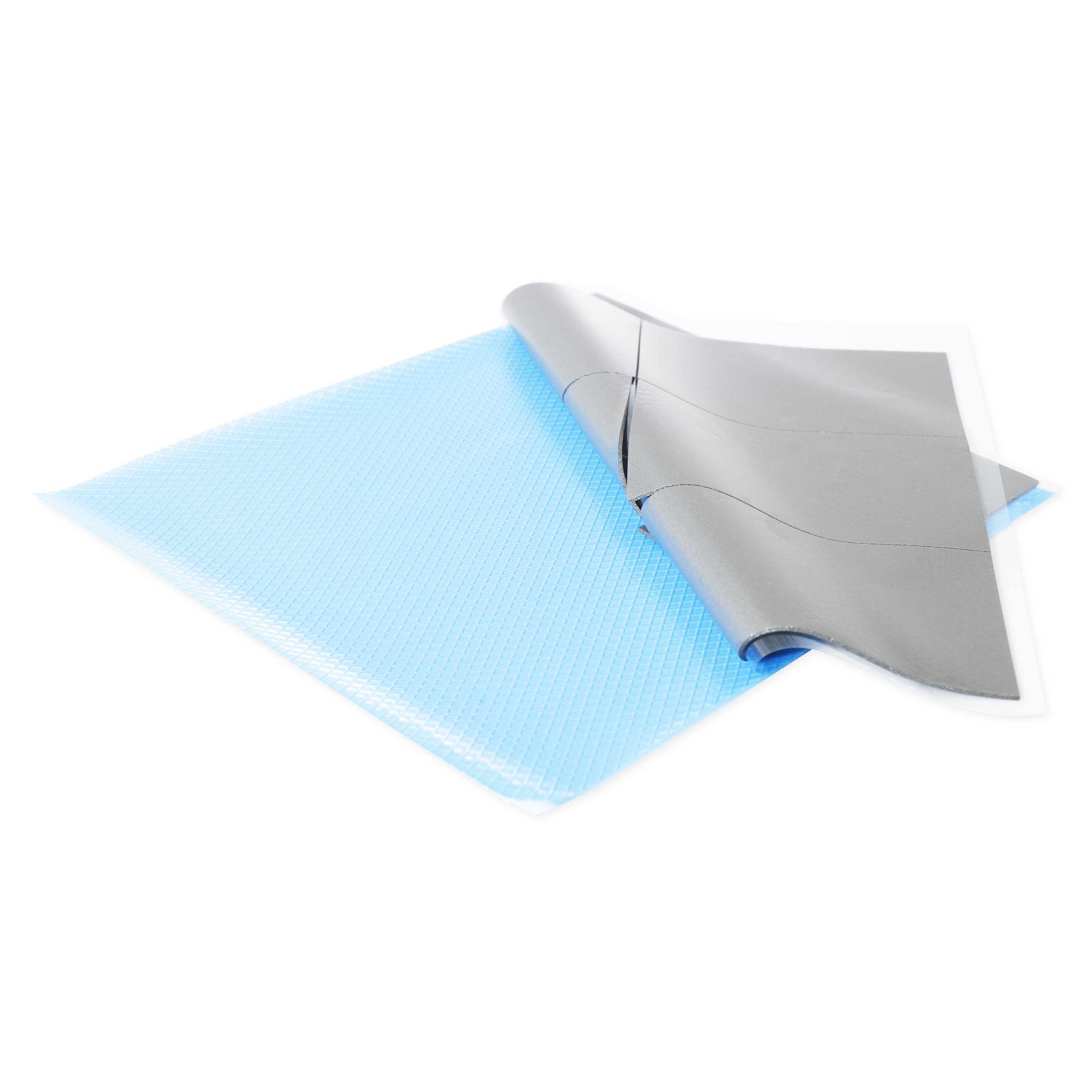
- Use 2W/mk Thermal Pad HRTP-M16-T020 Series for cost‑effective upgrades over standard silicone pads.
- Choose 6W/mk Thermal Pad HRTP-M16-T060 Series for dense, high-loss power modules.
2. Electrical insulation and dielectric strength
High-voltage converters need strong insulation between live components and grounded heat sinks. TIMs must keep leakage low and resist breakdown over the product lifetime.
| Parameter | Why it matters |
|---|---|
| Dielectric strength | Prevents arcing at high voltage |
| Volume resistivity | Limits leakage current paths |
| UL flammability rating | Improves safety compliance |
3. Mechanical compliance and assembly pressure
Soft, compressible TIMs adapt to warped or rough surfaces under low clamp force. This lowers interface resistance without risking PCB or device damage.
- Use low-modulus pads where screw torque is limited.
- For EV inverters and chargers, select materials that maintain softness under cycling.
4. Stability over temperature and cycling
Power electronics see wide temperature swings and vibration. TIMs must resist pump-out, cracking, and drying that raise thermal resistance over time.
- Check operating range (for example, −40°C to 180°C or higher).
- Request thermal aging and power cycling test data from suppliers.
🧊 Comparing thermal pads, pastes, and phase-change materials in power modules
Thermal pads, greases, and phase-change materials each serve different power and assembly needs. Comparing contact performance, automation fit, and rework ease helps guide smart TIM selection.
Below is a simple performance comparison chart for quick reference.
1. Thermal pads for robust, clean assembly
Thermal pads offer consistent thickness, easy placement, and low mess. They suit high-volume production and field service, especially where rework and cleanliness matter.
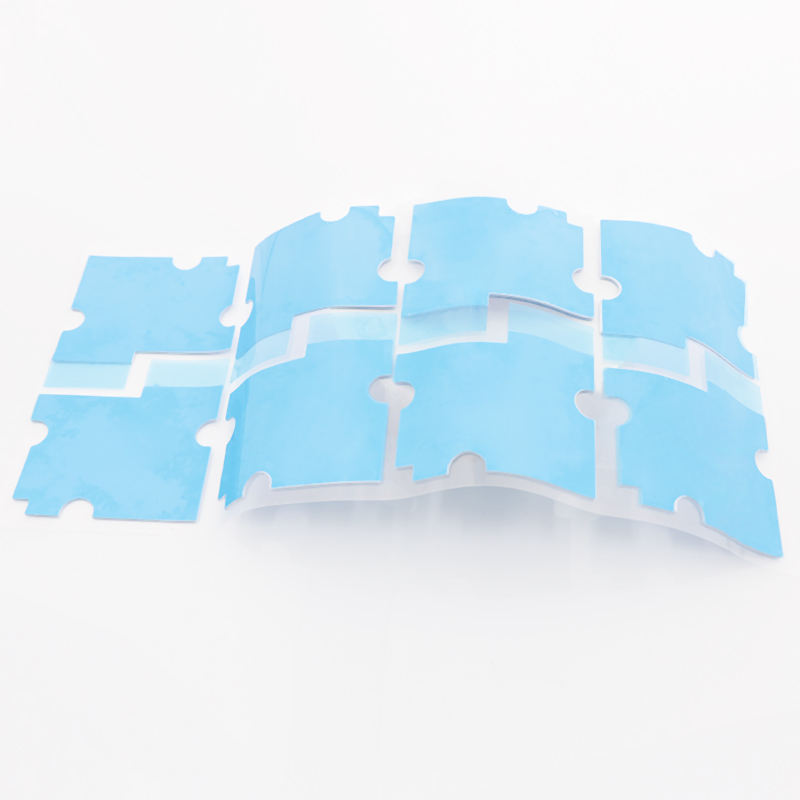
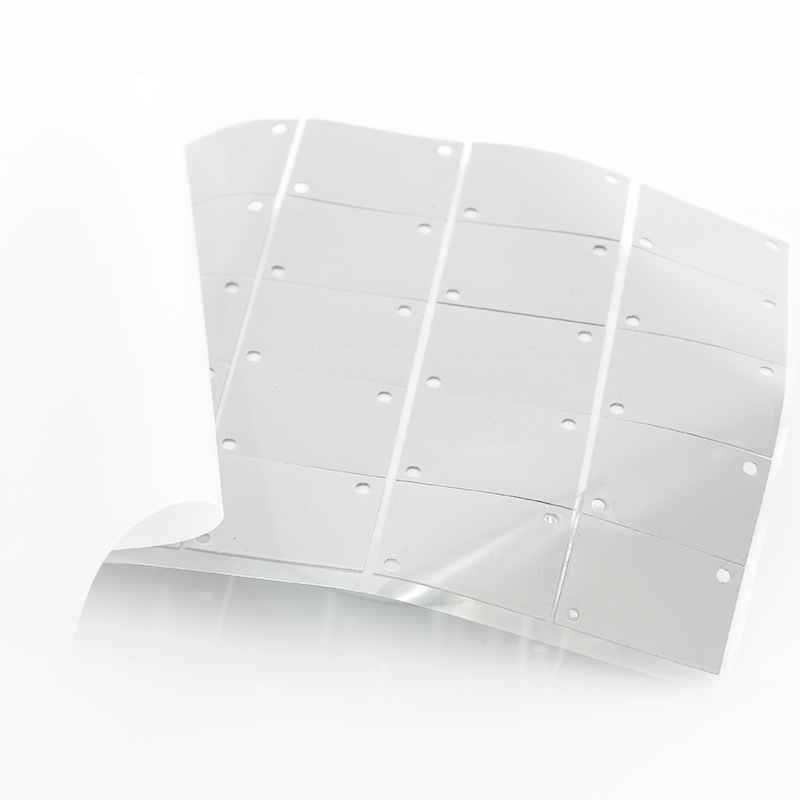
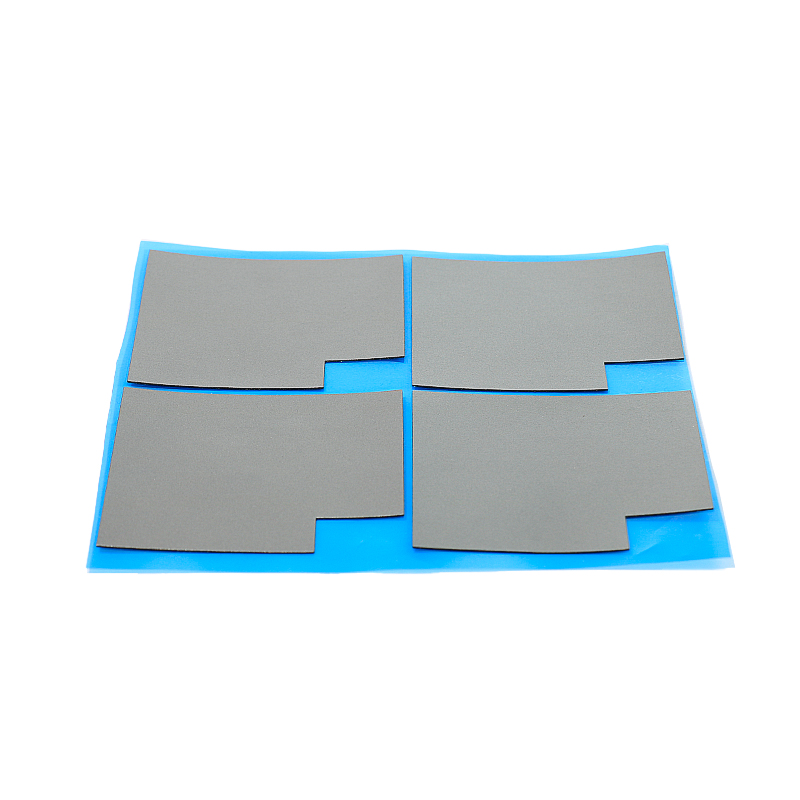
- Pre-cut shapes speed assembly.
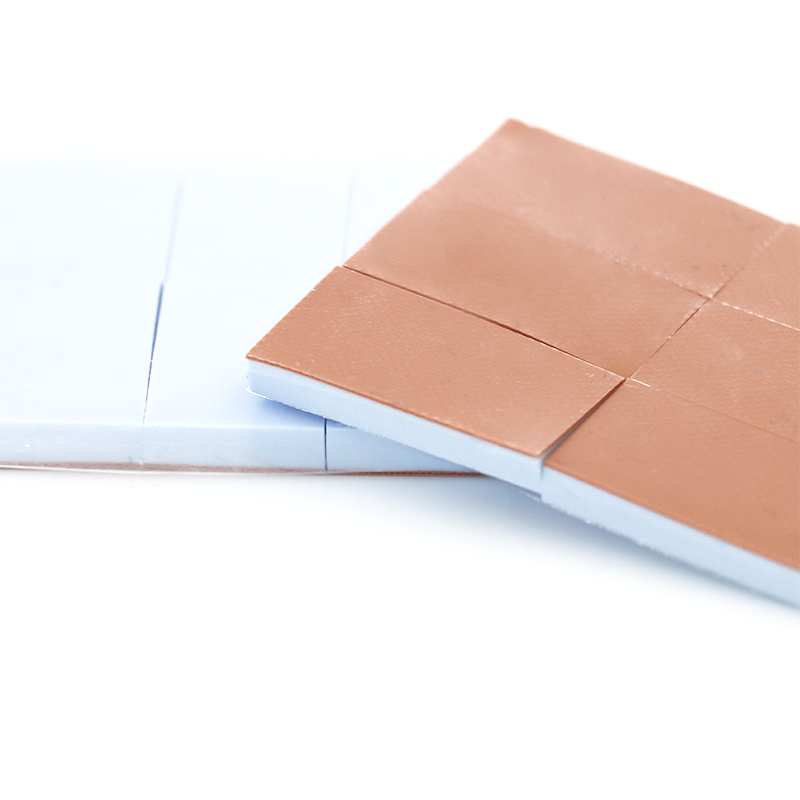
- Use 5W/mk High Dielectric Thermal Pad HRTP-M16-T050NH Series when both strong insulation and good thermal flow are needed.
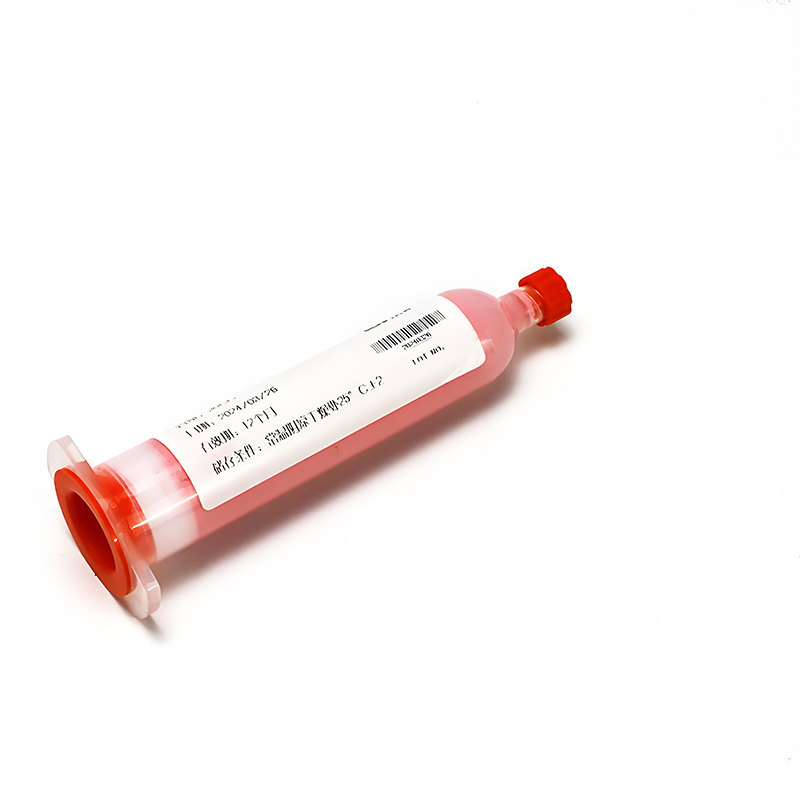
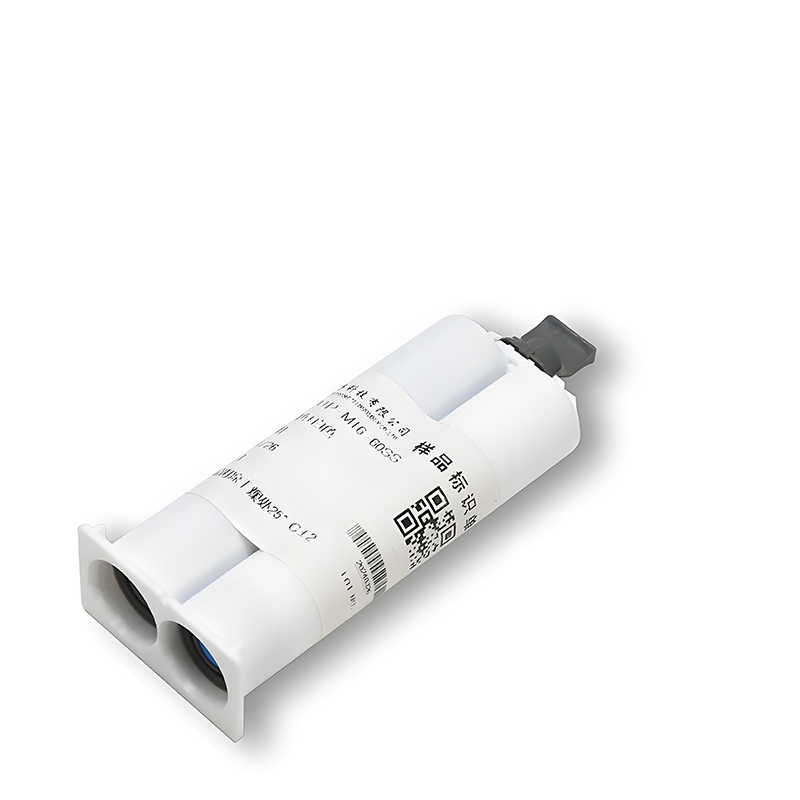
2. Thermal pastes for ultra-low resistance interfaces
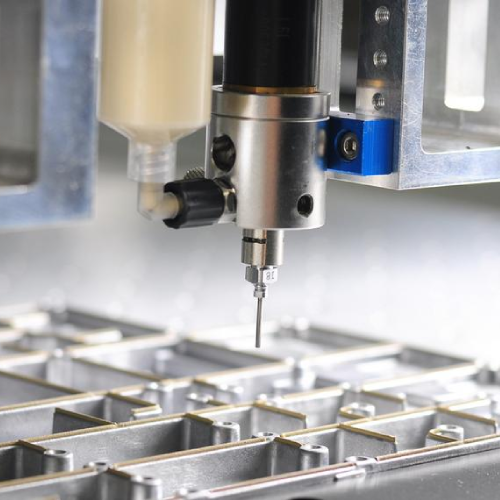
Greases spread into microscopic gaps, often giving the lowest thermal resistance. However, they can pump out or dry, and they complicate rework and cleaning.
| Pros | Cons |
|---|---|
| Very low interface resistance | Messy and hard to control thickness |
| Good for prototypes | Risk of pump-out and contamination |
3. Phase-change materials for controlled performance
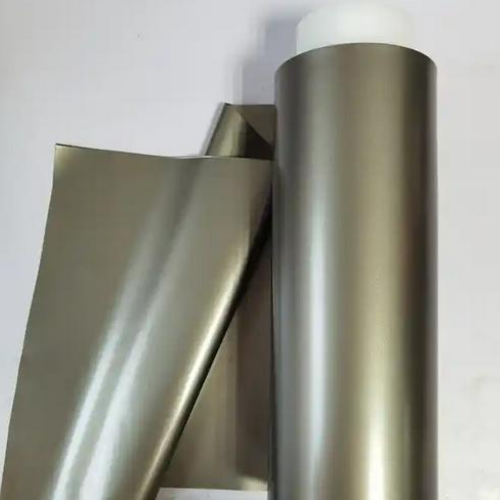
Phase-change TIMs remain solid at room temperature, then soften near device operating temperature. They flow to reduce voids, and then reset after cooling.
- Stable thickness and neat handling.
- Good for flat, well-controlled surfaces and clamping.
4. Choosing the right TIM for your power density
Consider power density, surface roughness, assembly method, and service needs. Pads often win for industrial and automotive modules; pastes can suit lab builds or legacy designs.
⚙️ Application techniques to minimize interface resistance and air gaps
Good materials still fail if applied poorly. Correct surface prep, pressure, and patterning cut voids, keep resistance low, and avoid hot spots in power stages.
1. Surface cleaning and flatness control
Remove oils, dust, and burrs before applying TIM. Flat, deburred surfaces let pads or pastes contact evenly and reduce trapped air pockets.
- Use lint-free wipes and approved solvents.
- Check heat sinks for warpage and machining defects.
2. Controlled compression and torque
Apply even pressure to compress pads to the recommended range. Too little leaves gaps, while too much may damage devices or squeeze out material.
| Aspect | Guideline |
|---|---|
| Compression | Follow datasheet (often 10–40%) |
| Torque | Use calibrated tools and patterns |
3. Pattern design for large-area modules
For big IGBT or SiC bases, choose pad shapes that avoid trapped air. Use cutouts or segments around screws and edges for more even compression.
🛡️ Reliability, aging, and safety considerations in demanding power electronics environments
High-power systems face thermal cycling, vibration, and contamination. TIMs must keep their properties under these stresses while meeting strict safety and certification needs.
1. Thermal cycling and pump-out resistance
Repeated heating and cooling can move material away from hot zones. Stable pads limit pump-out and maintain low resistance through many cycles.
- Ask for power cycling and shock test data.
- Prefer pads in high-vibration or mobile equipment.
2. Chemical and environmental stability
Exposure to humidity, dust, oils, and coolants can degrade some TIMs. Choose chemistries that resist swelling, cracking, or corrosion over many years.
| Environment | Key concern |
|---|---|
| High humidity | Insulation loss and corrosion |
| Industrial dust | Contamination and abrasion |
3. Safety certifications and flammability
Power converters and chargers often need UL or IEC approvals. TIMs with proper flammability and insulation ratings simplify safety testing and reduce project risk.
🌱 Selecting eco-friendly TIM solutions: why SpringGrass meets modern power needs
Engineers now look beyond pure performance. Eco-friendly TIMs that cut energy loss and support compliant, low-emission production help meet modern regulatory and corporate goals.
1. Lower junction temperatures, lower carbon footprint
Efficient TIMs reduce device temperature and power loss, raising system efficiency. Over product life, this can save significant energy and shrink carbon impact.
- Cooler operation extends device lifetime.
- Higher efficiency supports energy-saving designs and standards.
2. RoHS, REACH, and global compliance
SpringGrass designs materials to meet RoHS and similar rules. This supports worldwide deployment and avoids costly redesigns for new regions or markets.
| Compliance area | Benefit |
|---|---|
| Hazardous substances | Safer handling and disposal |
| Global approvals | Smoother multi-region launches |
3. Long service life and reduced waste
Durable TIMs delay field failures and replacements, cutting maintenance trips and scrap. SpringGrass pads aim for long-term stability, which supports sustainable product strategies.
Conclusion
Power electronics need thermal interface materials that balance conductivity, insulation, reliability, and ease of assembly. The right TIM lowers junction temperatures, boosts efficiency, and extends system life in harsh conditions.
By comparing pads, pastes, and phase-change options and applying correct techniques, designers can shrink thermal resistance and risk. SpringGrass solutions help meet modern technical, safety, and eco requirements.
Frequently Asked Questions about thermal interface material
1. What is the main purpose of a thermal interface material?
A thermal interface material fills microscopic gaps between a heat source and a heat sink. It replaces air with a better conductor, lowering thermal resistance and device temperature.
2. How do I choose between a thermal pad and thermal paste?
Use thermal pads for clean, repeatable, high-volume assembly and easy rework. Choose paste when you need the very lowest resistance and can accept more complex handling.
3. How thick should my thermal pad be?
Select the thinnest pad that still accommodates surface flatness and tolerances. Too thick raises resistance, while too thin may not fully fill gaps or warpage.
4. Do TIMs need maintenance or replacement?
Most pads are maintenance-free for years when properly applied. In high-stress or high-temperature systems, periodic inspection or replacement during service intervals may be wise.
5. Are high-conductivity TIMs always the best choice?
Not always. You must also consider insulation, mechanical compliance, cost, and reliability. The best TIM is the one that fits the full system requirements, not just W/m·K.





 Privacy settings