


.png)


.png)



You’re trying to predict the 2026 market for thermal absorber products, but the charts look like modern art and every “forecast” feels more like weather than business planning.
Use clear data from solid research, like the Mordor Intelligence thermal market report, to guide your pricing, capacity planning, and investment decisions.
🔍 Global demand trends for thermal absorber products across key industrial sectors
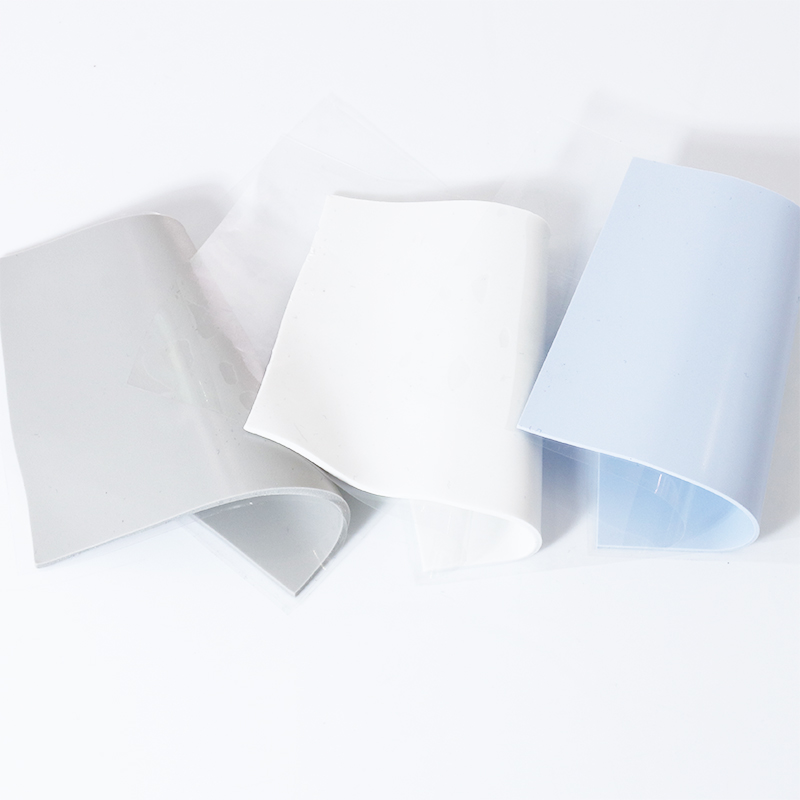
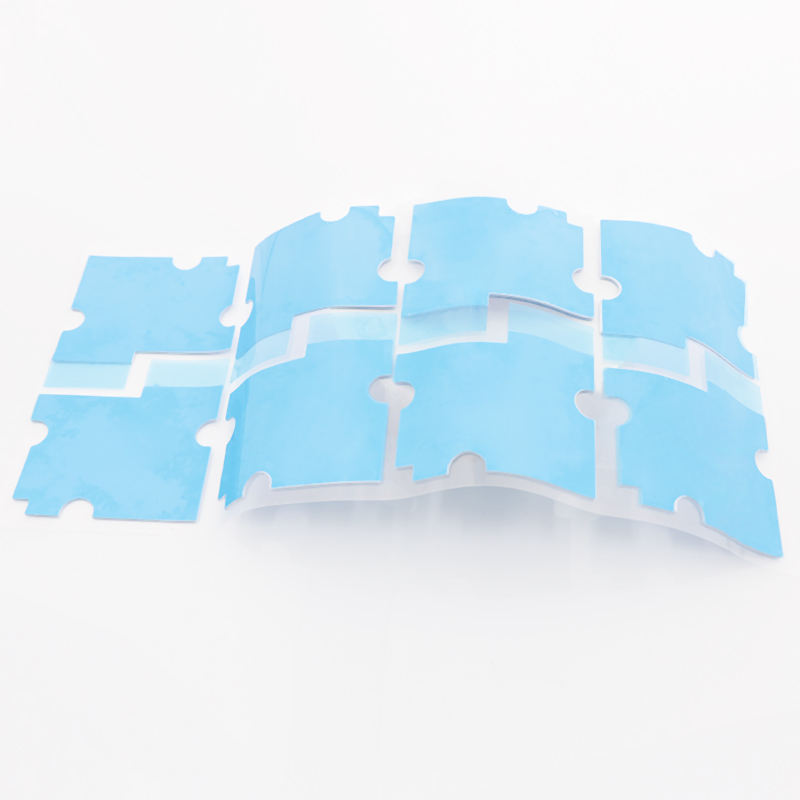
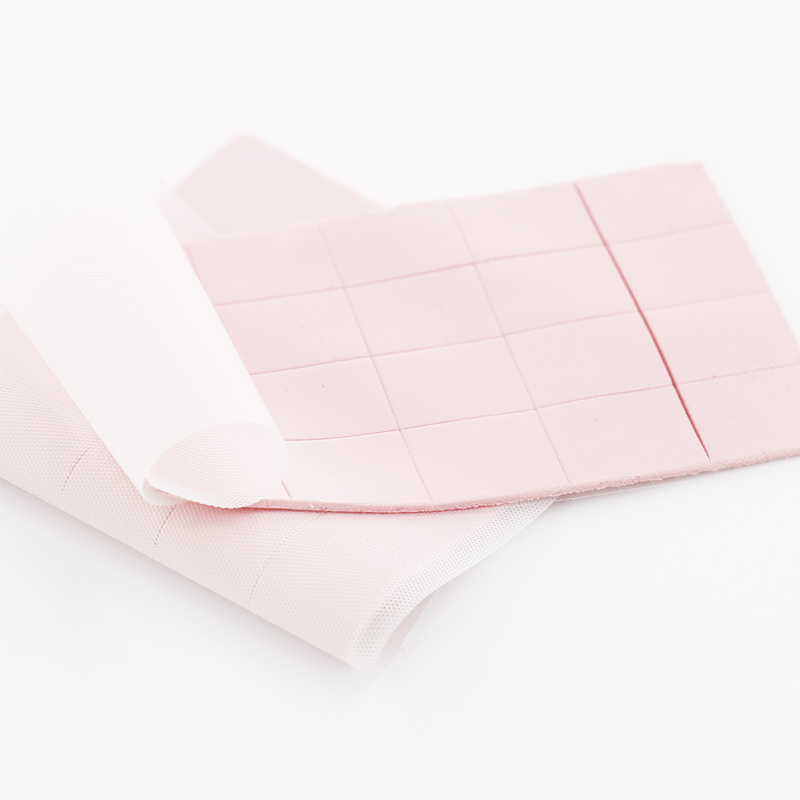
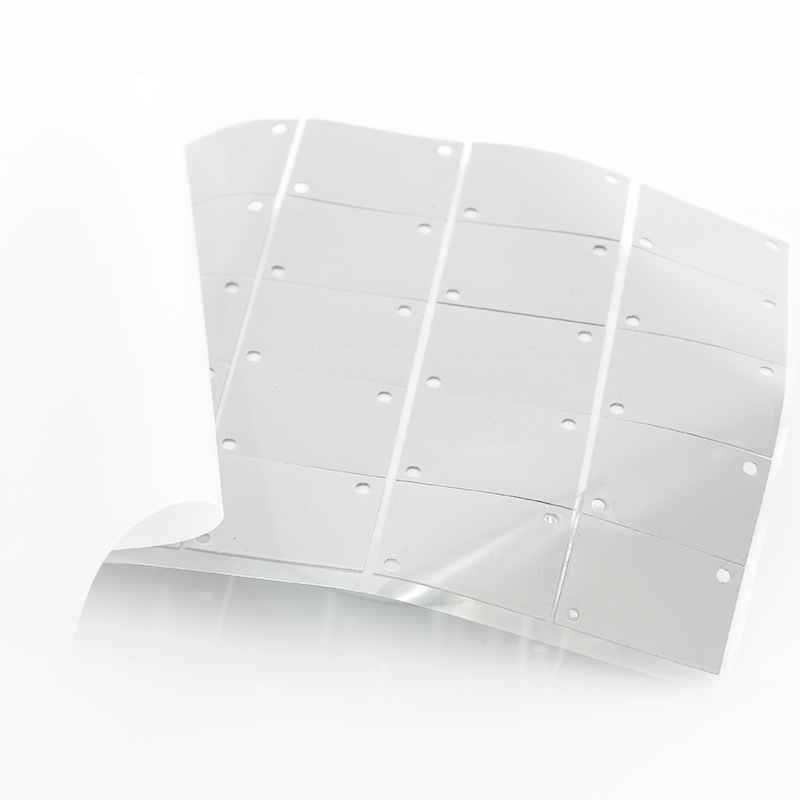
By 2026, global demand for thermal absorber pad will grow steadily, led by 5G, EVs, data centers, and advanced consumer electronics seeking better heat and EMI control.
Manufacturers that deliver thin, stable, and RoHS‑compliant solutions will win more design‑ins across telecom, automotive, aerospace, and industrial automation projects.
1. Telecom and 5G infrastructure
5G base stations and small cells drive strong demand for thin thermal absorber pad that also manage EMI, protecting RF modules and power amplifiers in compact designs.
- Remote radio units and active antennas
- High‑density small cells in urban areas
- Millimeter‑wave routers and gateways
2. Electric vehicles and battery systems
EV makers use thermal absorber pad to balance heat near inverters, on‑board chargers, and battery control units, improving safety and long‑term reliability.
- Battery management systems and power modules
- On‑board chargers and DC‑DC converters
- ADAS and infotainment electronics
3. Data centers and cloud computing
High‑power CPUs, GPUs, and networking switches require advanced EMC absorbing thermal pad to prevent hotspots and reduce noise in dense server and edge systems.
| Application | Demand Trend to 2026 |
|---|---|
| Cloud servers | High |
| Edge nodes | Very High |
| Storage arrays | Moderate |
4. Consumer and industrial electronics
Wearables, AR/VR, and compact industrial controllers adopt thin absorbers to keep enclosures cool while protecting sensitive circuits from interference.
- Smartphones, tablets, and gaming devices
- Smart home hubs and routers
- Robotics and factory equipment
🌡️ Technological advances improving efficiency and durability in thermal absorber materials
New composite fillers and resin systems increase thermal conductivity, reduce weight, and improve durability under cycling, all while maintaining stable EMI absorption.
By 2026, materials will focus on higher power density, thinner profiles, and easier integration into automated assembly lines.
1. Next‑generation filler systems
Engineers use hybrid ceramic, magnetic, and carbon fillers to balance thermal conductivity, flexibility, and EMI loss across a wide frequency range.
- Improved heat spreading
- Stable performance over time
- Lower material weight
2. Thinner, high‑performance sheets
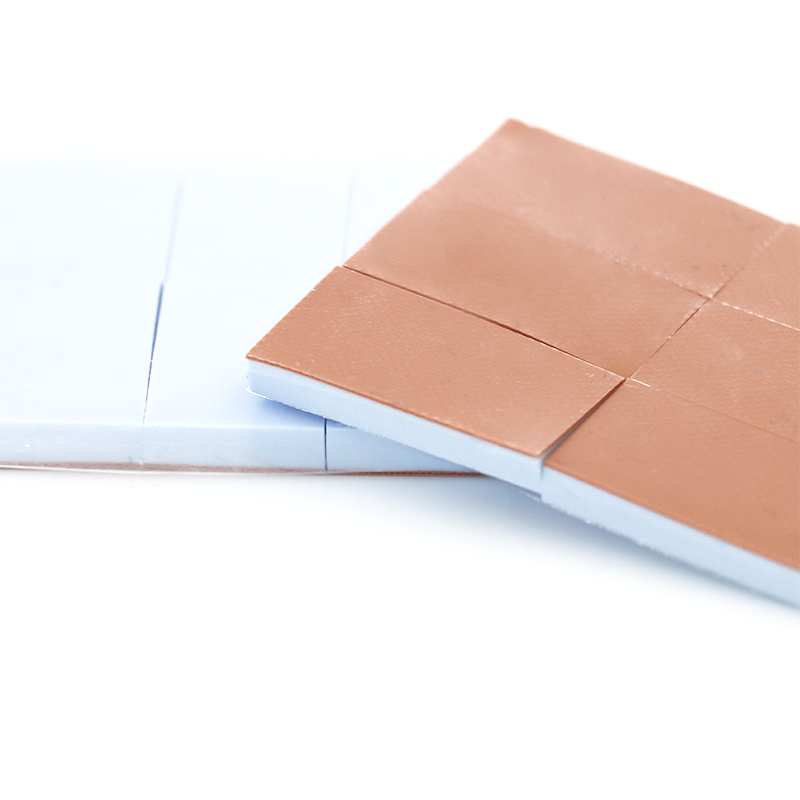
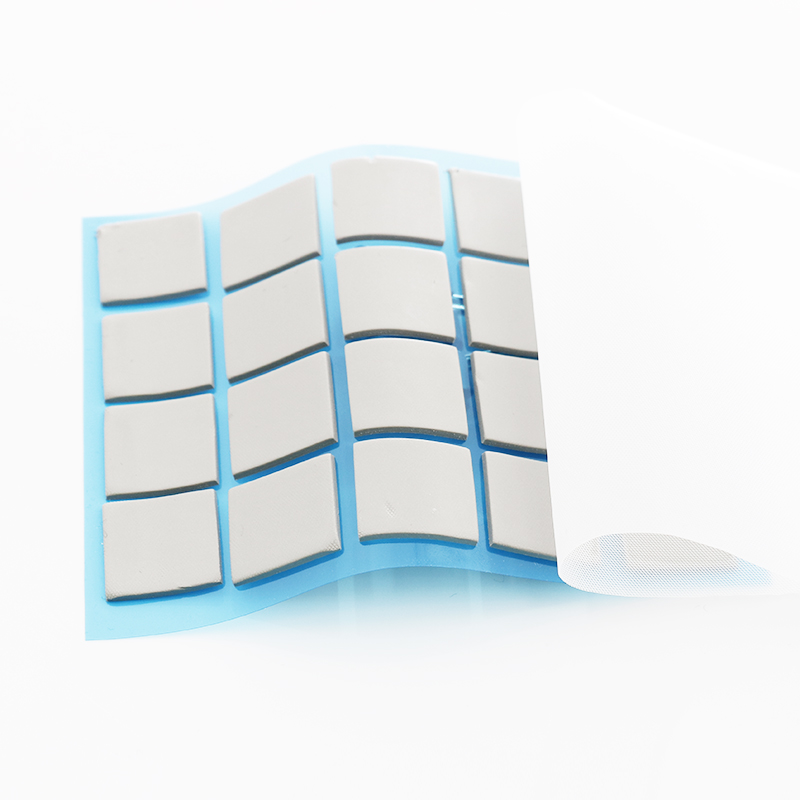
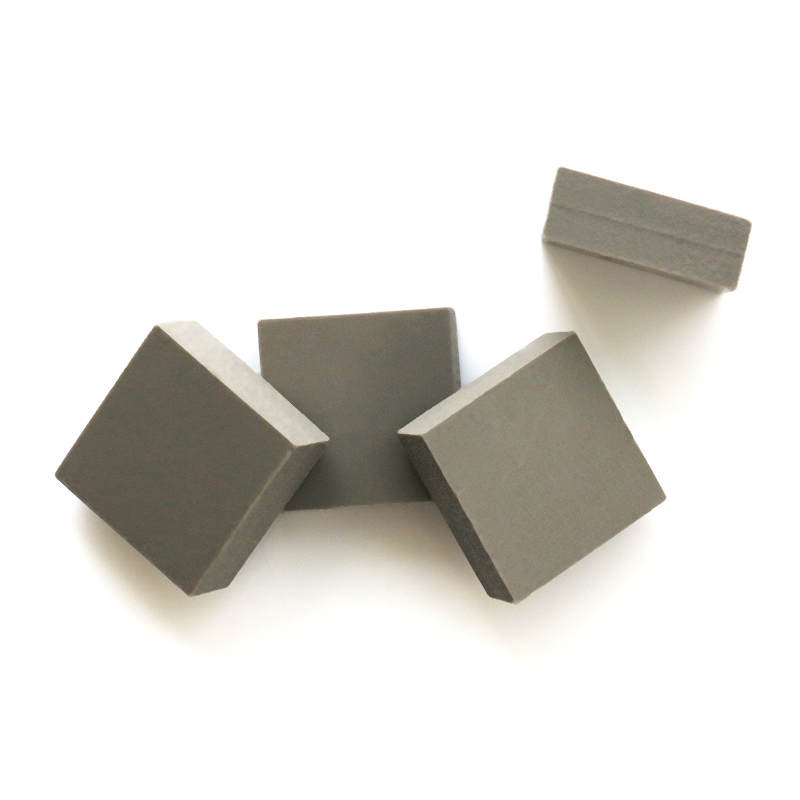
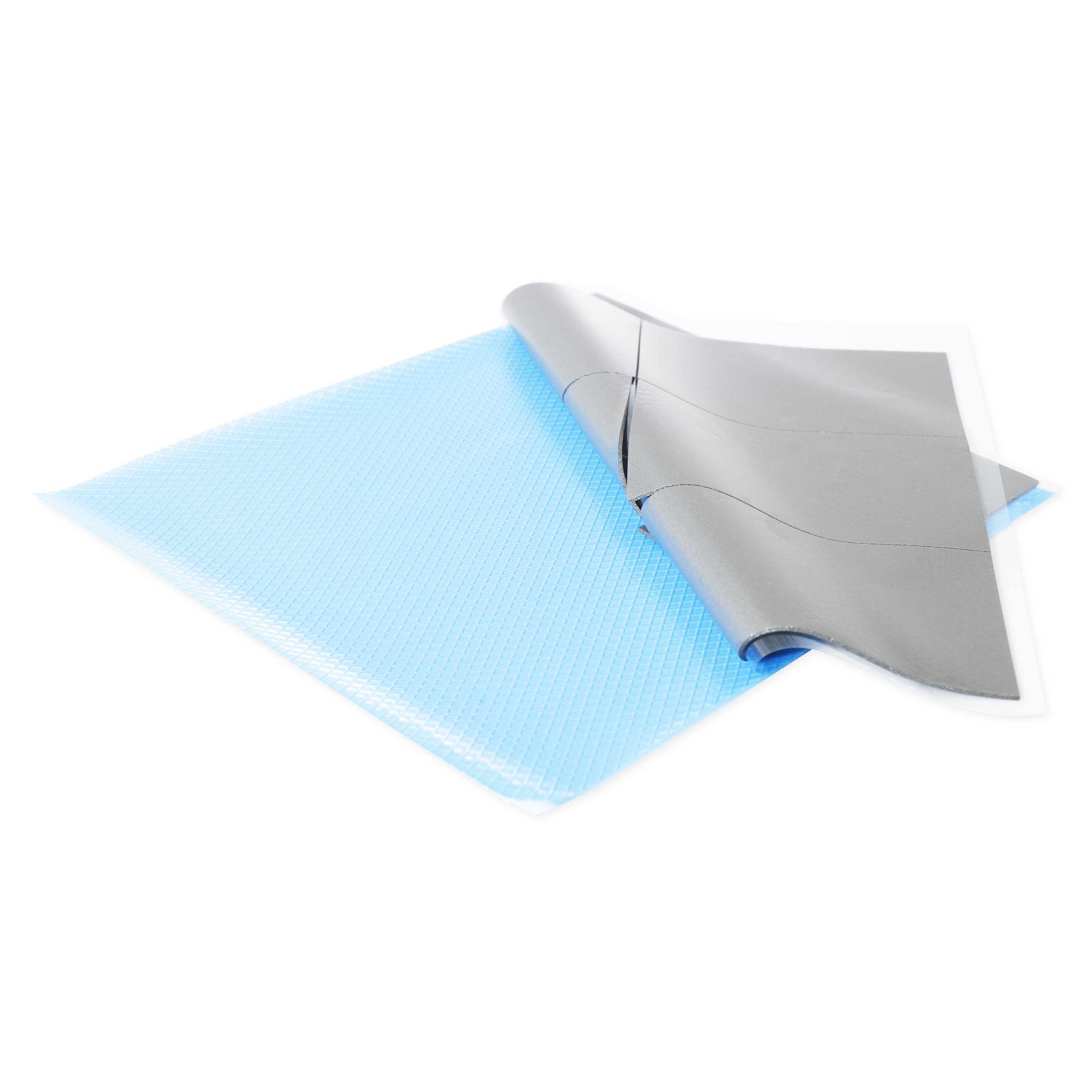
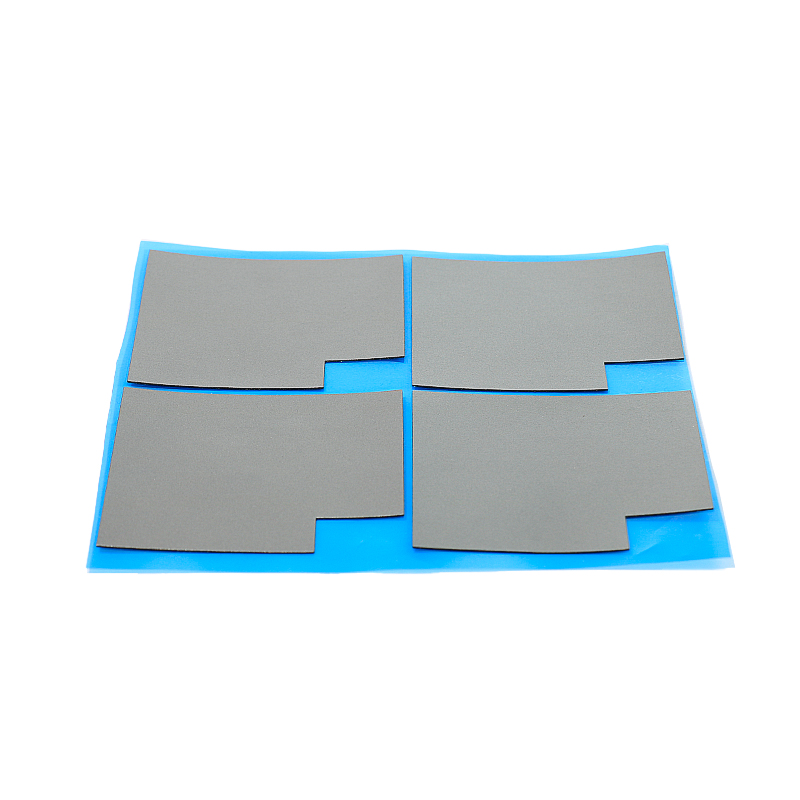
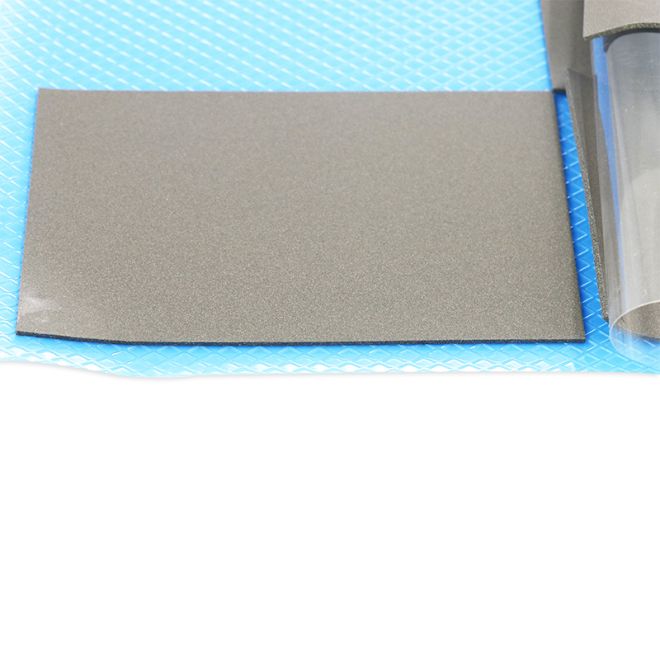
Ultra‑thin solutions like the EMC Thermal Absorber HR-M20AZ015 Series support compact layouts without sacrificing thermal or EMI performance.
| Thickness | Typical Use |
|---|---|
| 0.5 mm | Wearables, cameras |
| 2.0 mm | Routers, tablets |
| 5.0 mm | Base stations, EV power |
3. Reliability under harsh conditions
Next‑generation absorbers keep stable properties under high temperature, humidity, and vibration, which is critical for EV, aerospace, and outdoor telecom gear.
- Thermal cycling resistance
- Low outgassing
- Long service life
4. Data‑driven performance optimization
Design teams rely on test data and simulation to compare absorbers and choose the best mix of thickness, thermal path, and EMI suppression for each project.
📈 Regional growth hotspots and policy drivers shaping the 2026 thermal market
Policy support for electrification, broadband, and clean energy will shape regional demand patterns and sourcing choices for thermal absorber products.
Suppliers that meet local compliance rules and offer flexible logistics will capture the fastest‑growing regional projects.
1. Asia‑Pacific manufacturing powerhouses
China, South Korea, Japan, and Southeast Asia lead in electronics output, pulling in advanced absorbers for 5G, EV, and consumer devices.
- Strong OEM and EMS base
- Fast new product cycles
- High demand for thin formats
2. North America’s data and EV focus
U.S. and Canadian incentives for EVs, chips, and cloud infrastructure support higher use of high‑performance thermal absorber materials.
- Data center expansions
- Battery and inverter factories
- Defense and aerospace projects
3. Europe’s regulations and green agenda
EU climate policy and strict safety rules push engineers to choose low‑VOC, RoHS‑compliant absorbers with strong traceability and documentation.
| Driver | Impact |
|---|---|
| Green Deal | More efficient thermal designs |
| REACH/RoHS | Cleaner material choices |
🧪 Sustainability standards and environmental regulations influencing product development worldwide
By 2026, thermal absorber makers must meet stricter safety and chemical rules while also cutting carbon and improving recyclability.
Compliance will become a key selection factor in automotive, telecom, and industrial bids.
1. Global chemical and safety compliance
OEMs expect full alignment with RoHS, REACH, and halogen‑free requirements, supported by clear test data and safety files.
- Material declaration reports
- Third‑party lab testing
- Stable sourcing records
2. Lower environmental footprint
Producers reduce waste and energy use while exploring cleaner fillers and resins that still deliver strong thermal and EMI performance.
- Optimized mixing and curing
- Less scrap during cutting
- Longer product life in field
3. Design for long life and safety
Durable absorbers cut replacement cycles, support safe operation, and help customers meet corporate ESG and lifecycle reporting targets.
| Target | Benefit |
|---|---|
| Long service life | Less maintenance |
| Stable performance | Higher device uptime |
🏭 Strategic adoption of SpringGrass electromagnetic absorber pad for stable, long‑term performance
SpringGrass solutions align with 2026 trends, offering thin, stable, and scalable absorbers that solve both thermal and EMI issues in compact designs.
Engineers can choose from multiple thickness options to match power levels and assembly constraints.
1. HR‑M20AZ015 for ultra‑compact electronics
The very thin EMC Thermal Absorber HR-M20AZ015 Series fits smartphones, cameras, and modules where every fraction of a millimeter matters.
- Minimal thickness
- Good surface contact
- Support for dense layouts
2. HR‑M20AZ030 for balanced performance
The EMC Thermal Absorber HR-M20AZ030 Series offers a balance of thermal path, EMI absorption, and mechanical strength for routers, gateways, and industrial gear.
- Versatile thickness
- Stable over wide temperatures
- Easy integration in assembly
3. HR‑M20AZ060 for higher‑power systems
The EMC Thermal Absorber HR-M20AZ060 Series suits base stations, EV inverters, and high‑power modules that need stronger thermal and EMI control.
| Thermal Conductive | Main Focus |
|---|---|
| 1.5W/mk | Ultra‑thin devices |
| 3.0W/mk | Balanced designs |
| 6.0W/mk | High‑power systems |
Conclusion
By 2026, thermal absorber products will sit at the core of reliable 5G, EV, data center, and industrial systems. Buyers will favor solutions that combine strong heat control, EMI suppression, and clear compliance documentation.
SpringGrass series provide flexible, thickness‑optimized options that match global trends and help engineers build stable, long‑life electronics in demanding markets.
Frequently Asked Questions about thermal absorber Pad
1. What is a thermal absorber pad?
A thermal absorber pad is a material sheet or pad that helps spread and manage heat while often also absorbing electromagnetic noise around electronic parts.
2. Where are thermal absorber pad used most often?
They appear in smartphones, routers, EV batteries, inverters, base stations, servers, cameras, and industrial control units that run at higher power densities.
3. How do I choose the right thickness?
Check your power level, gap size, and EMI targets. Thinner sheets suit compact devices, while thicker types work better for hot, high‑power modules.
4. Are modern thermal absorber pad environmentally friendly?
Many new products are RoHS/REACH‑compliant, low‑VOC, and designed for long life, which supports lower waste and easier environmental reporting.
5. Why combine thermal and EMI functions in one material?
Using a single sheet to manage both heat and interference saves space, simplifies assembly, and can reduce the number of components in the design.





 Privacy settings