


.png)


.png)



Your GPU sounds like a tiny jet engine, and you’re staring at thin thermal pads and shiny paste wondering which one will stop the heat—and the noise—before your PC turns into a desktop grill.
Match your GPU’s design, then choose high‑quality thermal paste or pads following testing insights from Tom’s Hardware thermal interface comparison to lower temperatures and fan noise safely.
🔥 Comparing heat transfer efficiency: thin thermal pad vs thermal paste
GPU cooling depends on how fast heat moves from the chip to the heatsink. Thin thermal pads and thermal paste both fill air gaps but behave differently under load.
Choosing the right material can lower temperature spikes, reduce throttling, and extend GPU life. You must balance conductivity, thickness, and long‑term stability.
1. Raw thermal conductivity numbers
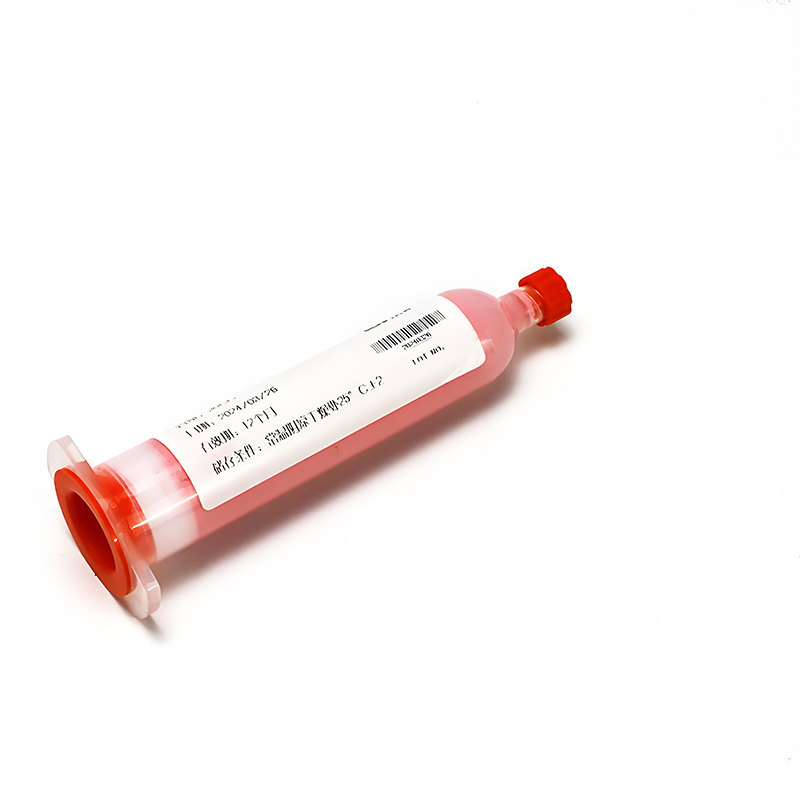
Thermal paste usually offers higher W/m·K values than thin pads, but pads can still match real use when contact is poor or surfaces are uneven.
- Typical paste: 5–12 W/m·K
- Common pads: 1–6 W/m·K
- High‑end pads: up to 12 W/m·K
2. Thin gaps vs larger height differences
Paste works best for very small gaps. Thin thermal pads shine when GPU, memory, and VRM heights differ and need one uniform interface layer.
| Scenario | Better Choice |
|---|---|
| Flat GPU die only | Thermal paste |
| Mixed GPU + VRAM + VRM | Thin pads |
3. Heat spreading across components
Pads can cover large areas and help spread heat from memory chips and power stages into a shared heatsink, improving overall thermal balance.
- Full‑coverage contact
- Better VRAM temperatures
- More stable boost clocks
4. Real‑world gaming and workload differences
In real games and rendering, a well‑chosen pad often performs close to paste, especially on modern multi‑component GPU boards.
| Workload | Paste Advantage | Pad Advantage |
|---|---|---|
| Short benchmarks | Lower peak die temps | Minor |
| Long gaming | Slight | Better VRAM temps |
🧊 Contact pressure, surface gaps, and their impact on GPU temperatures
Contact pressure and surface flatness decide how well pads or paste work. Even a high‑end material fails if pressure is low or gaps are large.
Good clamping, even screw torque, and the right pad thickness help reduce hot spots and keep GPU boost clocks stable under sustained load.
1. How pressure affects pad compression
Thin pads must compress enough to fill gaps without bending the PCB. Correct compression improves contact area and lowers both GPU and memory temperatures.
- Avoid over‑tightening screws
- Use matching pad thickness
- Check for even pad imprints
2. Surface roughness and micro‑gaps
Even polished copper has tiny gaps. Paste flows into these easily, while thin pads rely on softness and pressure to match surface shapes.
| Surface Type | Best Interface |
|---|---|
| Very smooth baseplate | Paste or thin soft pad |
| Machined, rough base | More compliant pad |
3. Sample temperature comparison chart
The chart below shows a simple test example: different materials on a GPU die and VRAM under a 30‑minute gaming load, with similar fan speeds.
4. Balancing die vs VRAM cooling
Paste may keep only the core cooler, while tuned thin pads often reduce VRAM heat, lowering fan noise and improving long‑term reliability.
- Core‑only focus: use paste
- Whole‑board focus: use pads
🛠️ Ease of application, reusability, and maintenance for GPU cooling solutions
Thin thermal pads are simpler to apply and easier to reuse than paste, especially for frequent GPU maintenance, mining rigs, or test benches.
This reduces risk for beginners and shortens service time for advanced users, while still keeping heat under control.
1. User‑friendly installation
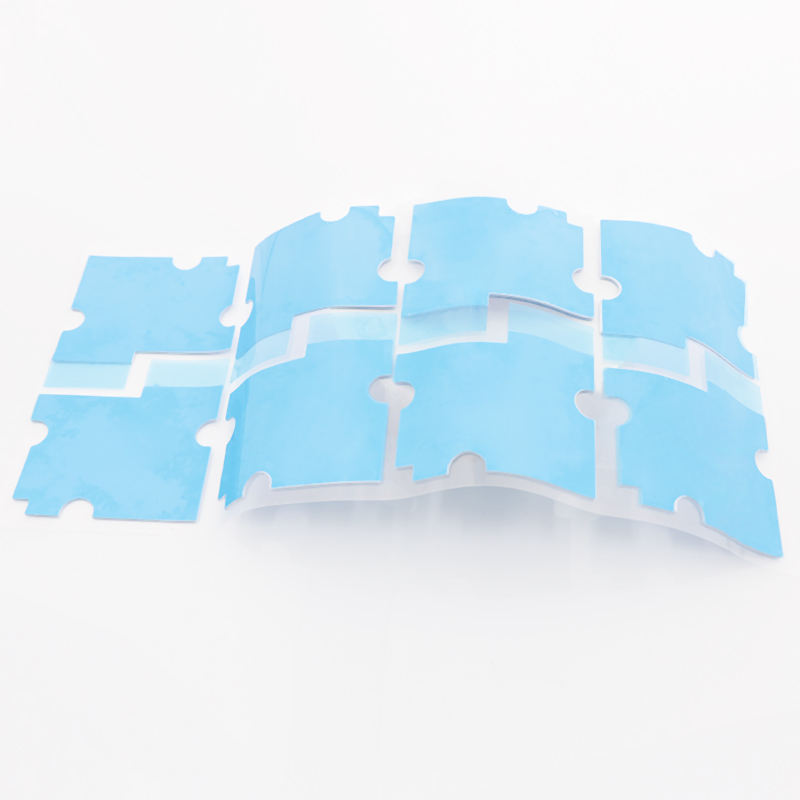
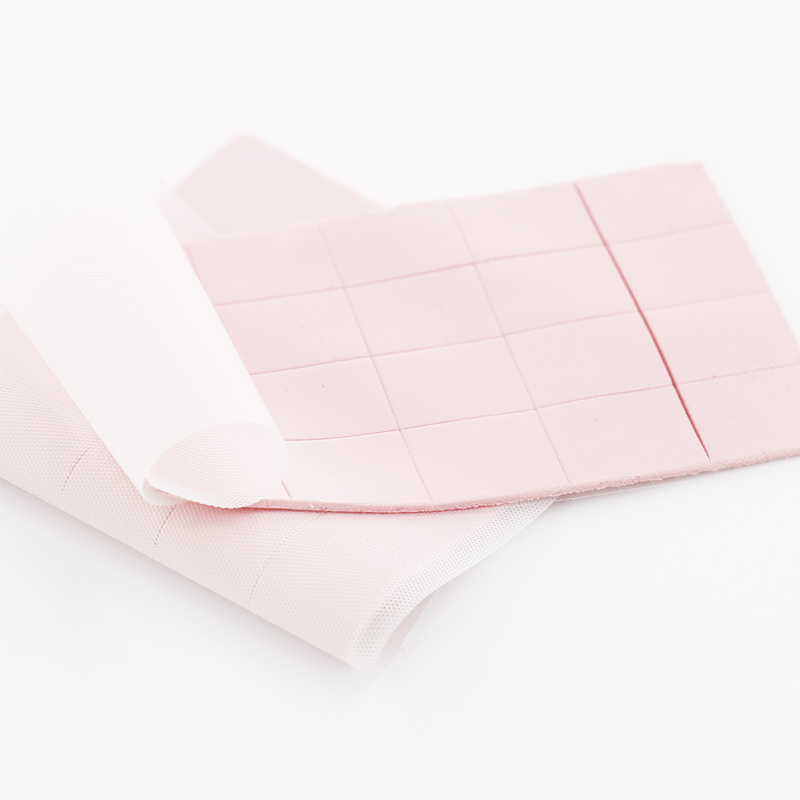
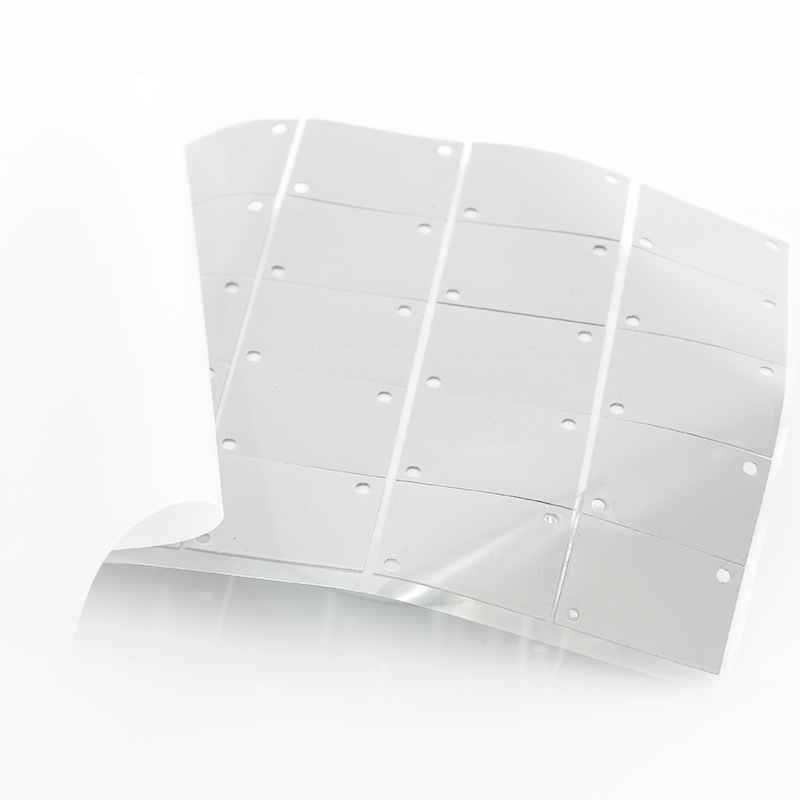
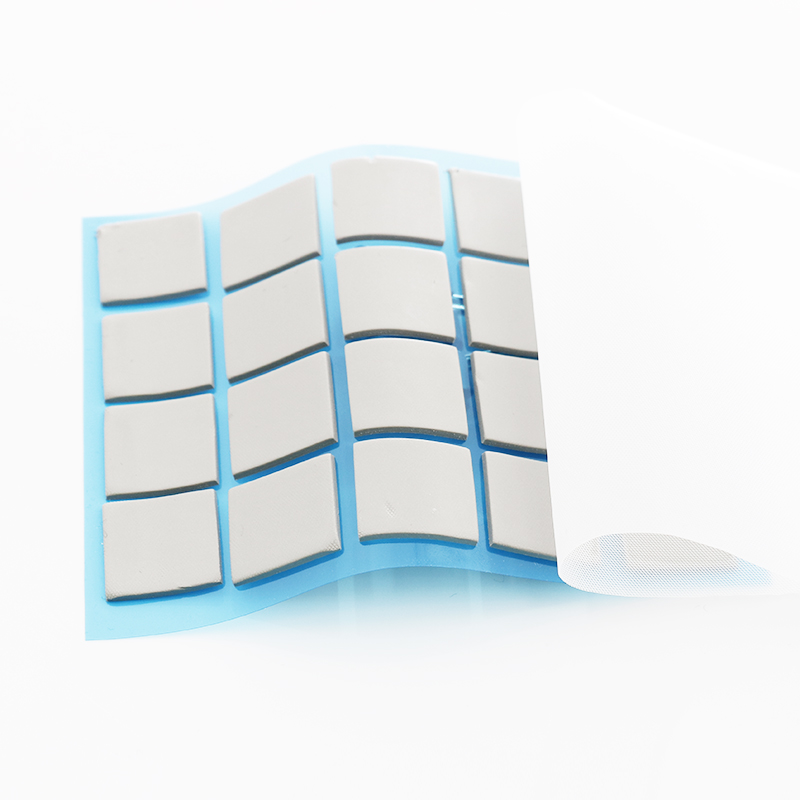
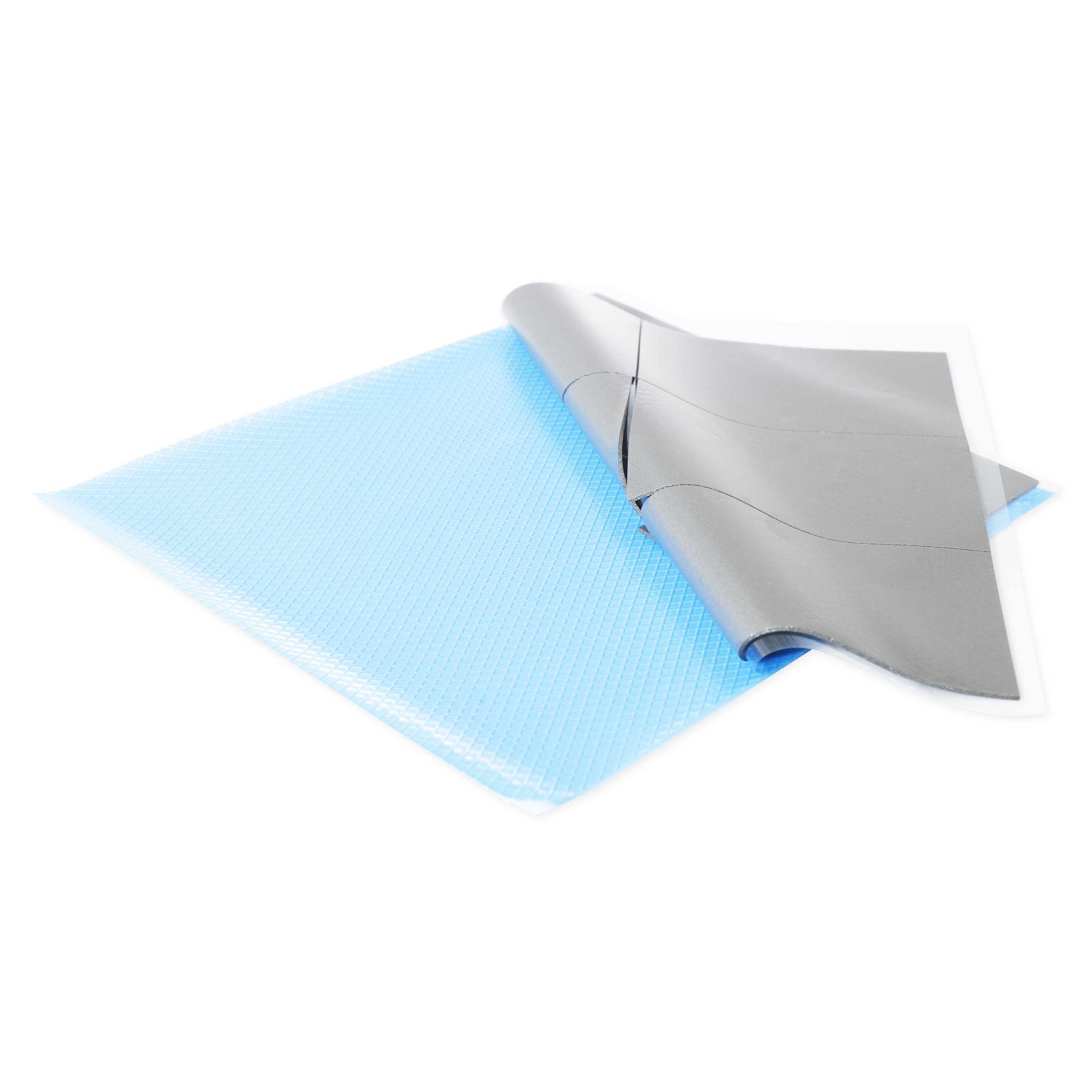
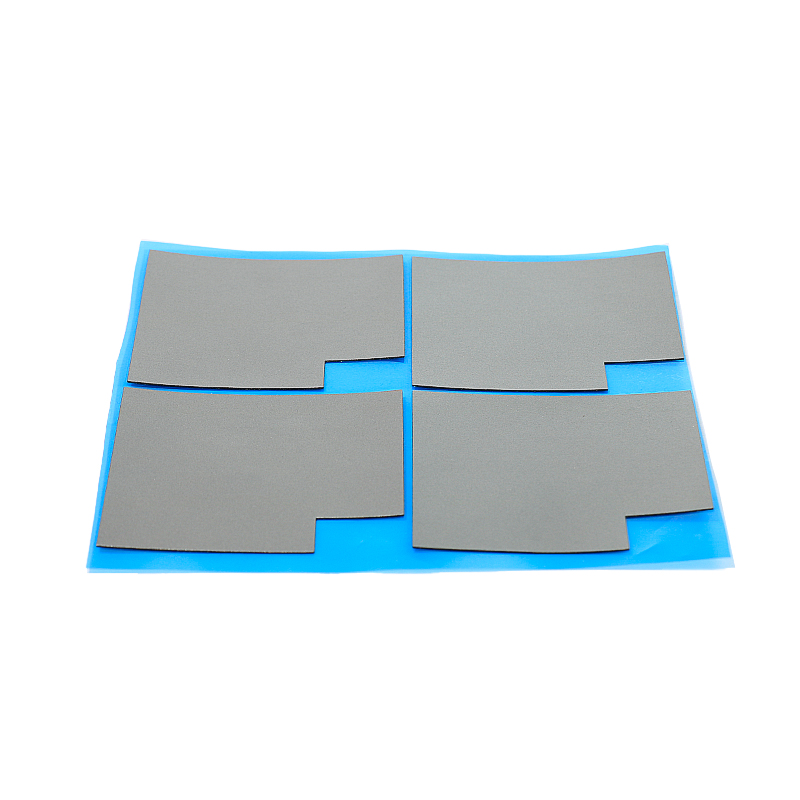
Pads come pre‑shaped sheets you cut and place. They do not drip or pump out, making them safer for vertical GPUs and tight cases.
- No mess on SMD parts
- No curing time
- Less risk for first‑time users
2. Reusability and service cycles
Many pads can be gently reused if they stay clean and undamaged, while paste often needs full cleaning and re‑application each time.
| Property | Paste | Thin Pad |
|---|---|---|
| Reusability | Low | Medium to High |
| Cleanup time | High | Low |
3. Long‑term stability and pump‑out
Thermal paste can pump out over months of heat cycles. Proper pads resist this, keeping more stable performance in 24/7 or high‑duty GPUs.
- Less dry‑out risk
- Lower maintenance frequency
- Better for hot memory chips
📏 When GPU designs favor thin thermal pads over traditional thermal paste
Many modern GPUs are built around pads, not paste, especially for VRAM and VRM sections with different heights and wide surface areas.
For these layouts, thin pads often give more reliable contact and safer mounting than paste alone.
1. Multi‑height components and shims
Mixed height between the GPU die, memory, and power stages makes continuous paste layers hard. Thin pads bridge these steps cleanly and safely.
| Design Feature | Reason to Use Pads |
|---|---|
| Uneven heights | Gap filling |
| Large VRAM arrays | Wide coverage |
2. Backplates and double‑sided cooling
Backplates that cool memory almost always rely on pads. Thin pads ensure contact without bending the PCB or over‑stressing solder joints.
- Protects PCB
- Improves backplate function
- Reduces hotspot build‑up
3. OEM and data‑center style builds
OEM and server GPUs often prioritize repeatable assembly. Pads give consistent results and reduce the chance of assembly errors versus manual paste.
- Faster production
- Less skill‑dependent
- Predictable performance
✅ Choosing between pad and paste? Go with SpringGrass for reliable performance
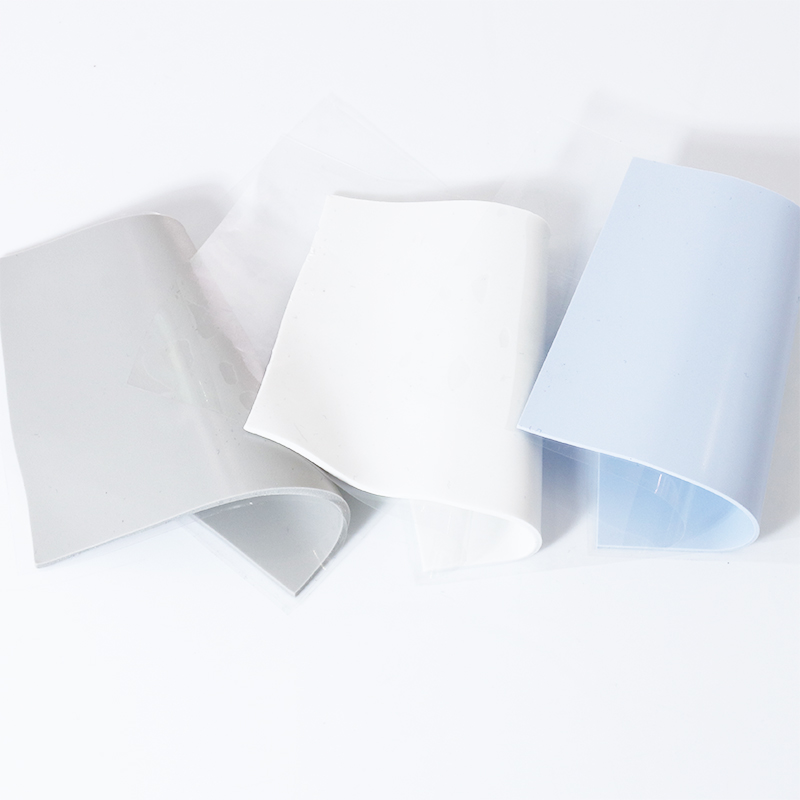
When you choose thin pads, quality matters. SpringGrass pads balance conductivity, softness, and stability so your GPU runs cooler and lasts longer.
They suit custom builds, upgrades, and professional GPU farms that demand repeatable thermal performance.
1. Entry to mid‑range, silicon‑free pads
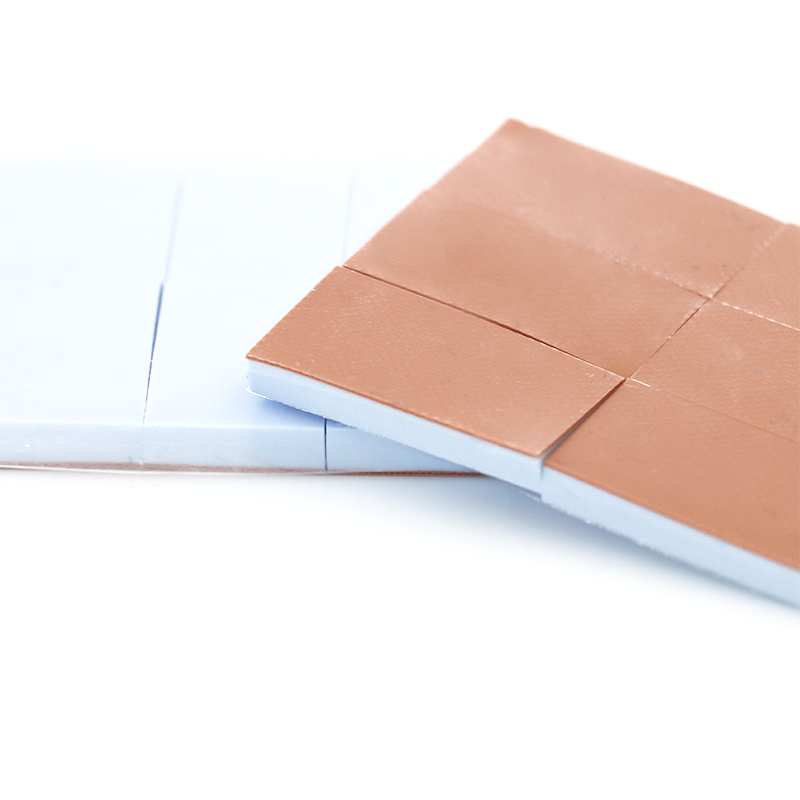
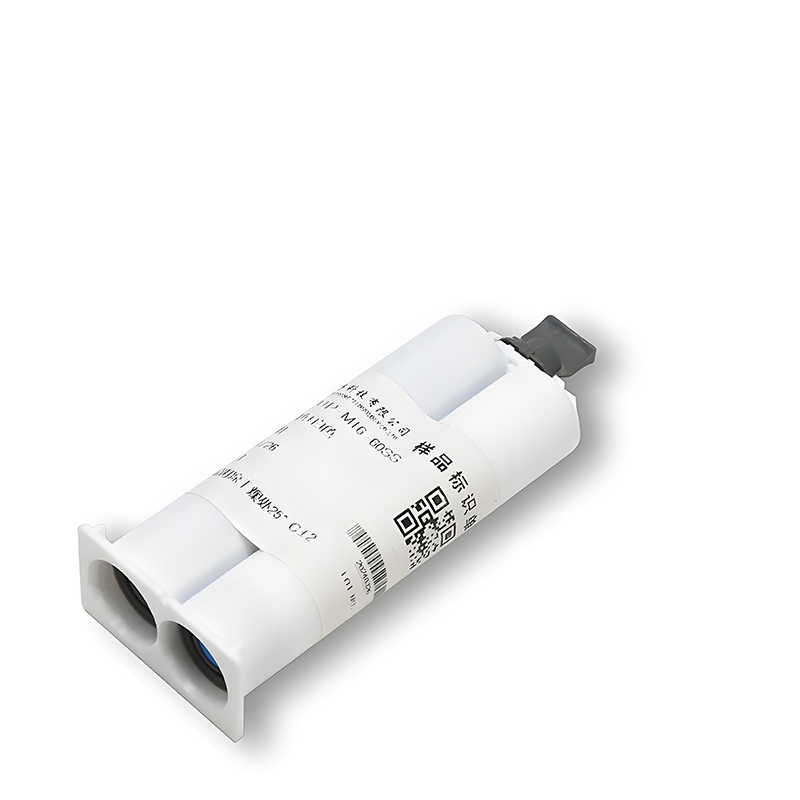
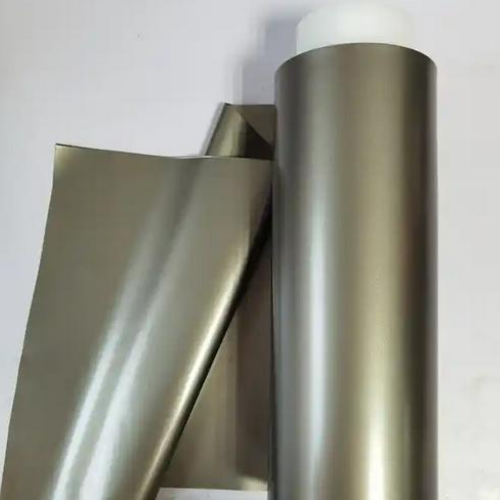
The 1/2/3W/mk Silicon-Free Thermal Pad HRTP-M16-NxxxNN Series offers safe, silicone‑free performance for sensitive environments and moderate‑power GPUs or mixed electronics.
2. High‑end cooling for hot GPUs and VRAM
The 12W/mk Thermal Pad HRTP-M16-T120 Series targets demanding GPUs, GDDR6X memory, and compact builds that need strong heat transfer in tight spaces.
3. Balanced choice for most gaming GPUs
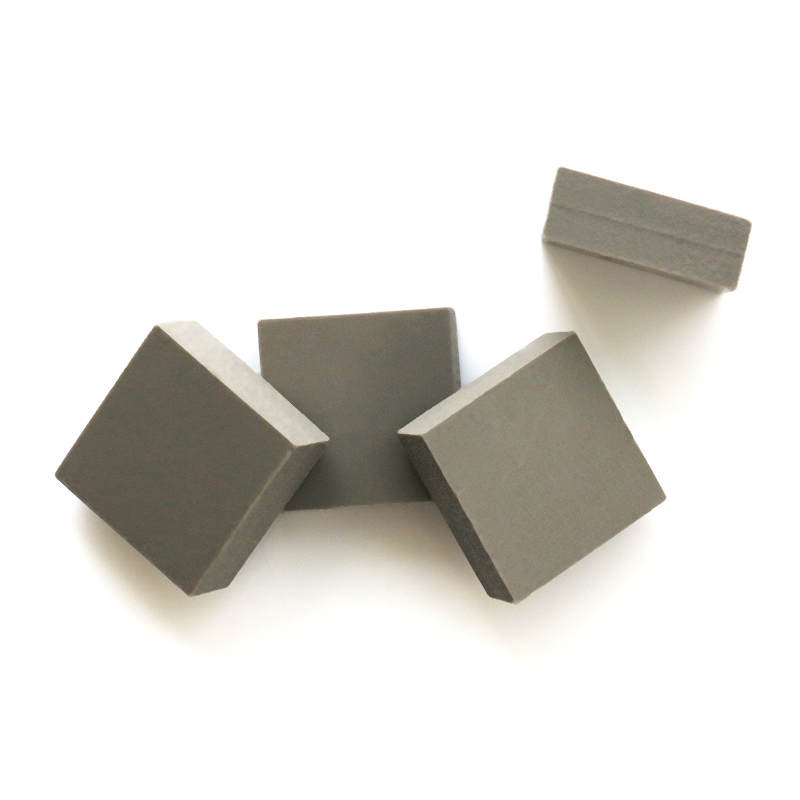
The 2W/mk Thermal Pad HRTP-M16-T020 Series gives an easy, cost‑effective upgrade over stock pads while keeping installation simple for everyday users.
Conclusion
Thin thermal pads and thermal paste both play key roles in GPU cooling. Paste can win on raw die temperature, but pads handle uneven heights and large areas better.
For most modern GPUs, a smart mix works best: paste on the core, quality thin pads on memory and VRM, with correct thickness and pressure.
Frequently Asked Questions about thin thermal pad
1. Are thin thermal pads better than paste for GPUs?
They are better for VRAM and VRM, or when heights differ. For the GPU die alone, good paste still gives the lowest peak temperature in most cases.
2. How often should I replace thin thermal pads?
High‑quality pads can last several years. Replace them if they harden, crack, lose elasticity, or if you see rising temperatures after remounting.
3. Can I stack thin thermal pads to fill a bigger gap?
You can stack pads, but performance may drop slightly. It is better to choose one pad with the correct thickness whenever possible.
4. Do thin thermal pads conduct electricity?
Most GPU thermal pads are electrically insulating. Always check the datasheet before use to avoid shorts, especially near exposed SMD parts.
5. Should I use both paste and pads on the GPU core?
Do not mix them on the same surface. Use paste only on the GPU die, and pads only on separate components like memory and VRM.





 Privacy settings