


.png)


.png)



Your devices run so hot they could fry an egg, and every online “expert” says a different thing about pads, pastes, and mystery gels. Choosing a thermal conductive pad for 2026 feels more like gambling than buying.
This guide explains pad types, key specs, and real-world applications, so you can cool your gear with confidence. We follow global standards and data, including findings from an IEA thermal management report, to help you pick the right pad quickly and safely.
✅ Key Functions and Applications of Thermal Conductive Pads in Electronics
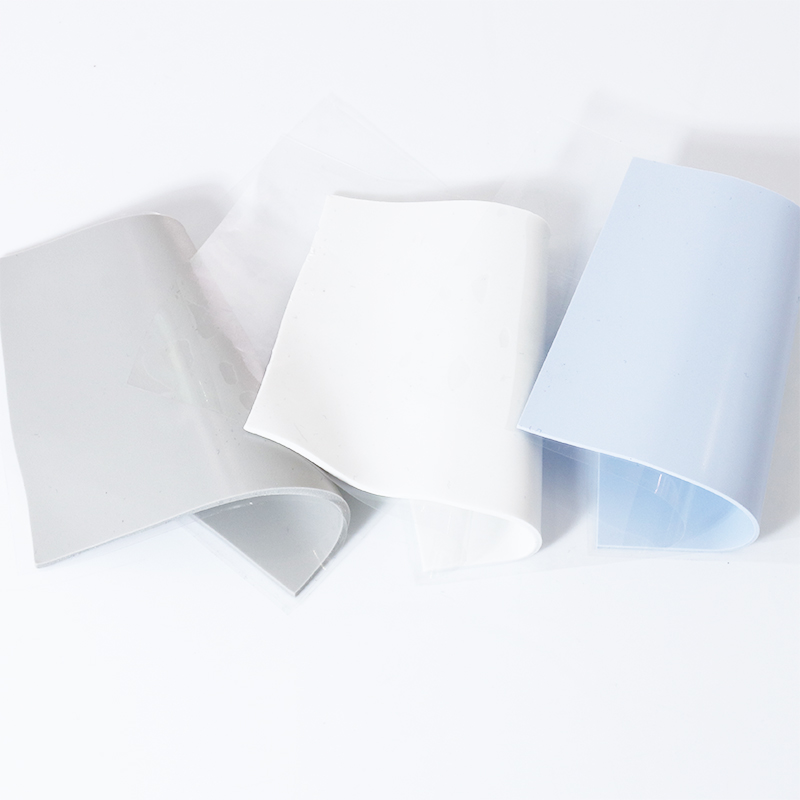
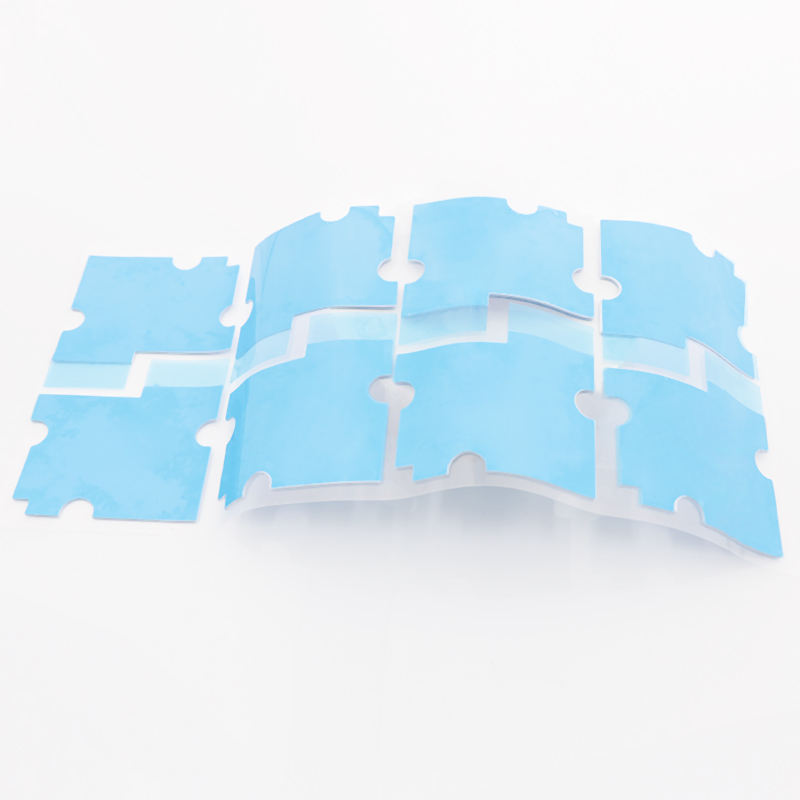
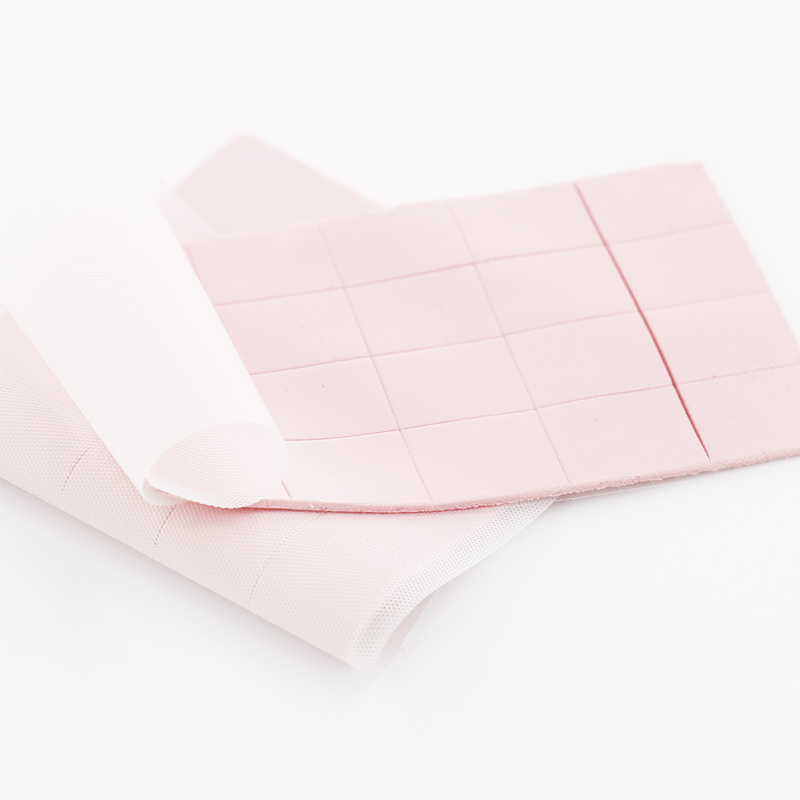
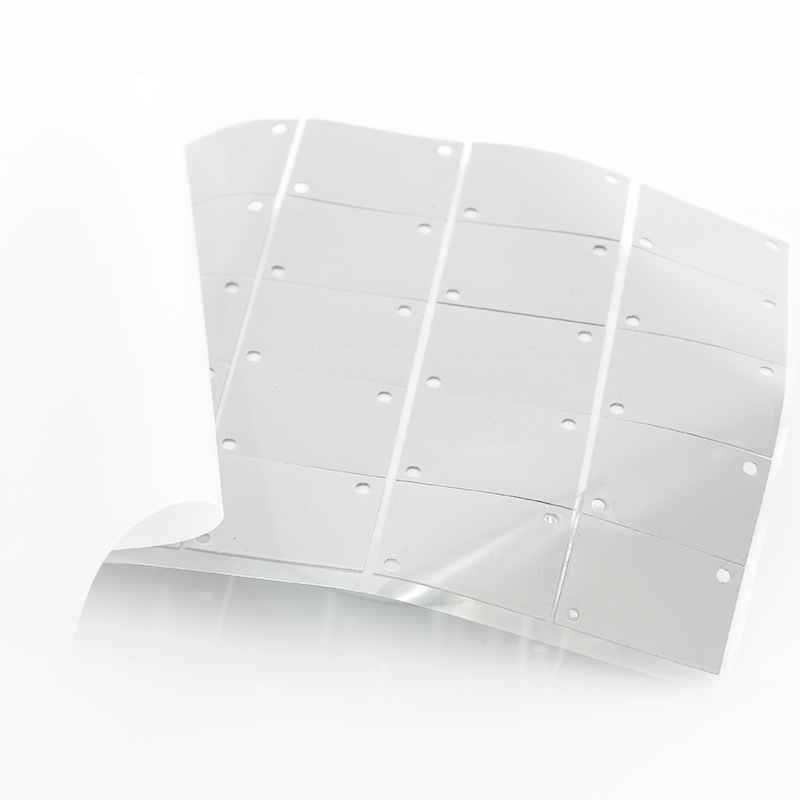
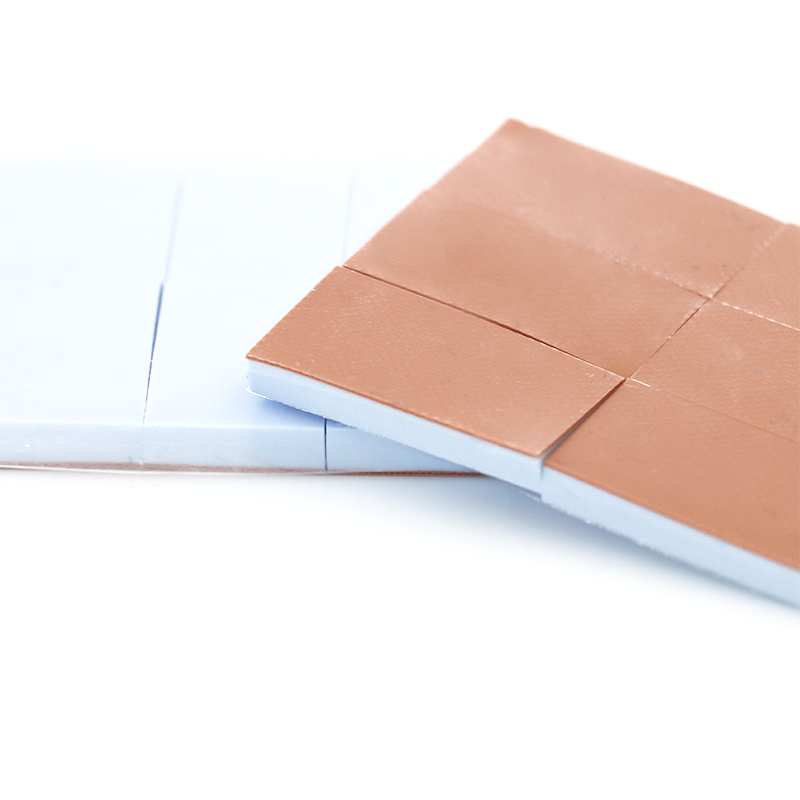
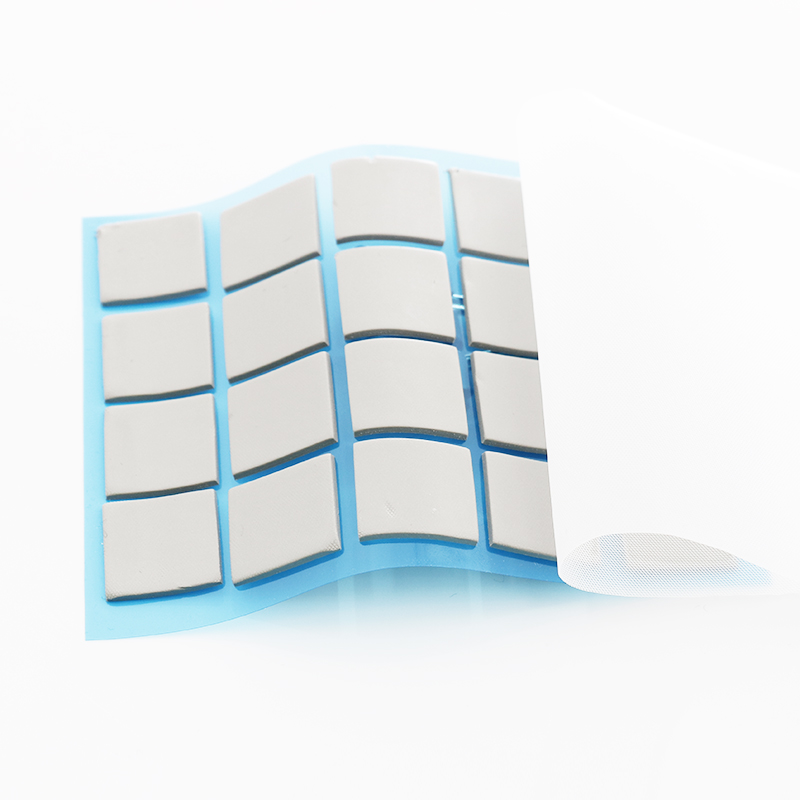
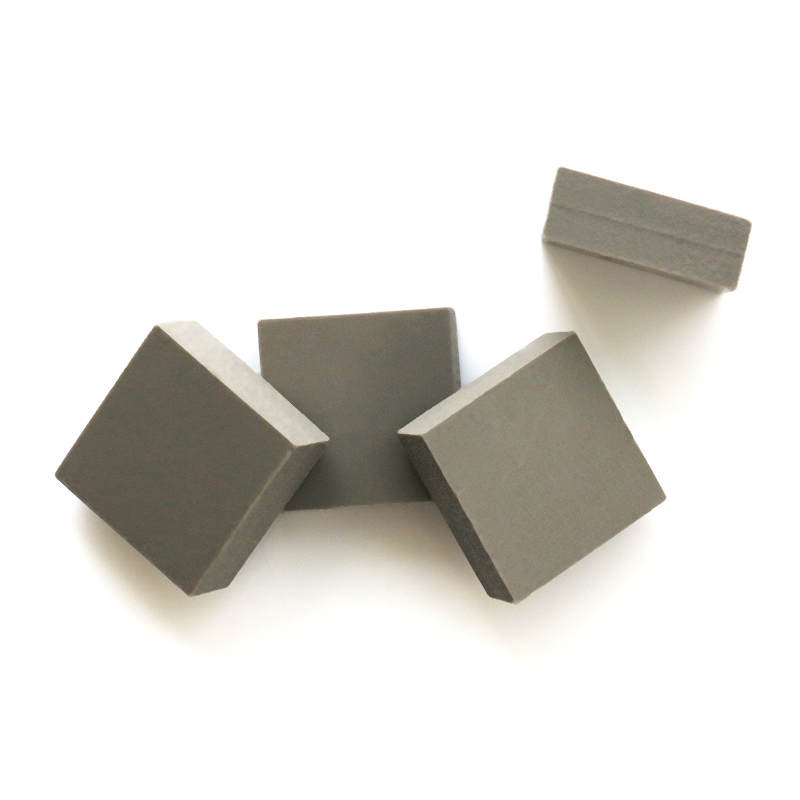
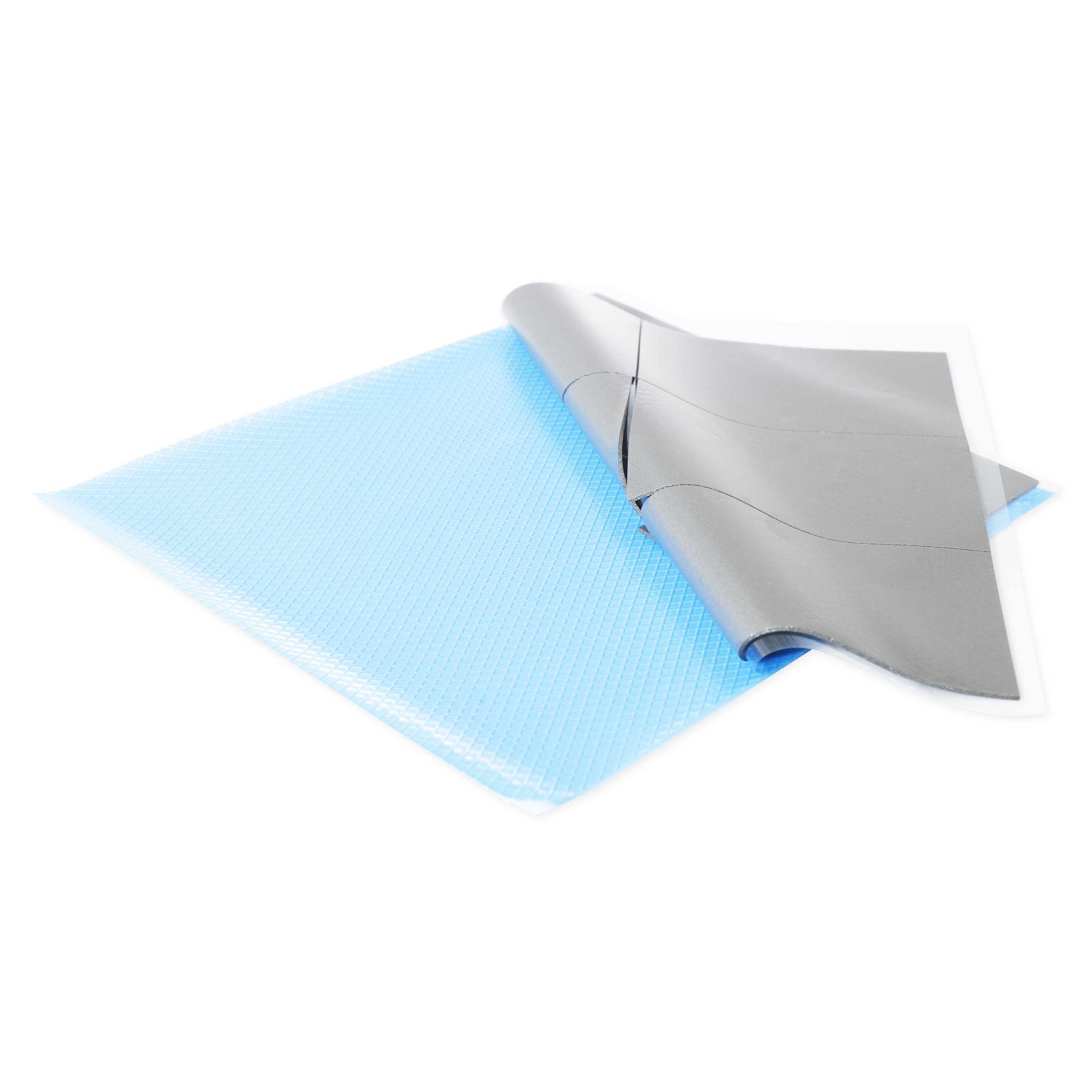
Thermal pads fill air gaps between hot components and heat sinks. They quickly move heat away, improve stability, and protect devices in harsh 2026 operating conditions.
Engineers use them in power, automotive, 5G, and consumer electronics where reliable, clean, and repeatable thermal interfaces are critical for long product lifetimes.
1. Core Heat Transfer Functions in Modern Devices
Thermal pads bridge uneven surfaces, cut contact resistance, and keep junction temperatures lower than thermal grease in many mass-production cases.
- Fill micro-gaps and voids
- Reduce hot spots on CPUs, GPUs, and MOSFETs
- Support rework and repeat assembly
2. Main Application Fields in 2026 Electronics
Key markets include EV power modules, telecom base stations, industrial drives, AI servers, and LED lighting where long uptime and safety matter.
- EV onboard chargers and inverters
- 5G base stations and small cells
- Outdoor LED displays and streetlights
3. Matching Pad Performance to Power Density
High-power zones need higher thermal conductivity and stable performance under compression. Low-volatile series help keep optical and sensor surfaces clean.
| Power Density | Recommended Pad |
|---|---|
| Medium | 6W/mk Low Volatile Thermal Pad HRTP-M16-T060NV Series |
| High | 8W/mk Low Volatile Thermal Pad HRTP-M16-T080NV Series |
4. Design Trends Driving 2026 Buyer Decisions
Designers favor low-outgassing, halogen-free, and thin yet soft pads that cut thermal resistance while staying easy to assemble at scale.
- Thinner stacks to save space
- More stable performance over 10+ years
- Clean, low-volatile materials for optics
🔥 Materials, Thermal Performance, and Thickness Selection Principles for 2026 Designs
Thermal pads mix silicone or other polymers with ceramic or graphite fillers. Conductivity, softness, and compressibility must match power loss and gap size.
Buyers should balance W/m·K rating, thickness, and mechanical stress to avoid pad damage and PCB warpage while still cooling the system well.
1. Common Material Systems and Their Trade-offs
Silicone-based pads are mainstream for 2026, offering flexibility and easy processing, while low-siloxane and non-silicone options serve sensitive optical systems.
| Material | Pros | Typical Uses |
|---|---|---|
| Silicone | Soft, stable | Power, servers |
| Non-silicone | Low fogging | Cameras, sensors |
2. Understanding Thermal Conductivity Levels
Conductivity from 3–12 W/m·K covers most needs. Higher values reduce temperature rise but may increase cost and sometimes stiffness.
- Mid-range: 4–6 W/m·K for general power
- High: 8–10 W/m·K for compact, hot zones
- Very high: 12+ W/m·K for extreme density
3. Thickness and Compression Design Rules
Pick the thinnest pad that still bridges tolerances. Aim for 20–40% compression to cut resistance without overstressing boards and components.
- Measure worst-case gaps and tolerances
- Check stiffness vs. allowed force
- Verify screw torque in real builds
4. Data-Driven Comparison of Low-Volatile Pads
Engineers increasingly compare several W/m·K levels to fine-tune cost and thermal margin in each project stage.
The 10W/mk Low Volatile Thermal Pad HRTP-M16-T100NV Series suits compact, high-heat areas with strict residue and fogging limits.
🛠 Installation Methods, Compression Force, and Surface Preparation Best Practices
Proper installation protects parts and ensures repeatable thermal performance. Focus on clean surfaces, correct pad placement, and controlled compression force.
Good process control lowers field failures, rework rates, and thermal drift over product life.
1. Surface Cleaning and Preparation
Always remove oil, dust, and old material before pad placement to avoid trapped air and poor thermal contact.
- Use lint-free wipes and approved solvent
- Dry fully before assembly
- Avoid touching pad surfaces with bare hands
2. Controlling Compression and Mechanical Stress
Define target compression based on pad datasheet, then validate with torque tests, gap gauges, and thermal measurements.
| Step | Purpose |
|---|---|
| Set torque spec | Keep force consistent |
| Check gap after build | Confirm real compression |
| Run thermal test | Verify junction temperature |
3. Handling, Rework, and Storage Guidelines
Store pads flat, sealed, and clean. During rework, replace damaged pads instead of reusing them in critical systems.
- Keep pads in original liners
- Avoid bending or stretching
- Track shelf life in production
🌍 Global Compliance, Safety Standards, and Environmental Regulations Affecting Thermal Pads
Thermal pads must meet strict global rules on safety, chemicals, and environmental impact that continue to tighten through 2026.
Buyers should request full material reports and third-party test data early in the design to prevent late compliance issues.
1. RoHS, REACH, and Halogen-Free Requirements
Most export electronics require RoHS and REACH compliance, plus rising demand for halogen-free and low-VOC thermal materials.
- Check updated SVHC lists regularly
- Keep declarations of conformity on file
- Align with OEM green policies
2. Flammability and Safety Certifications
UL94 V-0 remains the main flammability target for power and automotive modules, offering better safety margins in fault conditions.
| Standard | Focus |
|---|---|
| UL94 | Flammability class |
| IEC 62368 | Audio/ICT safety |
| AEC-Q100/200 | Auto-grade reliability |
3. Sustainability and End-of-Life Considerations
New buyer RFQs often ask about recyclability, low emissions during production, and support for life-cycle assessments (LCA).
- Prefer low-volatile, low-fogging chemistries
- Request LCA or carbon data when available
- Plan for safe removal at end of life
🏆 How to Choose Reliable Suppliers and Why SpringGrass Leads the Market
Global buyers need partners who combine strong R&D, stable quality, and fast technical support for high-volume projects.
Reliable thermal pad suppliers help teams shorten validation time, manage risk, and keep long-term supply secure.
1. Key Criteria for Evaluating Thermal Pad Suppliers
Look beyond price. Check material stability, lot-to-lot control, test capability, and responsiveness to design changes.
- Complete datasheets and test curves
- PPAP and automotive experience if needed
- Clear traceability and QC systems
2. Technical Support and Co-Design Ability
Strong suppliers support stack-up design, thermal simulation feedback, and on-site trials, reducing the time from prototype to mass production.
| Service | Buyer Benefit |
|---|---|
| Pad selection advice | Right W/m·K at right cost |
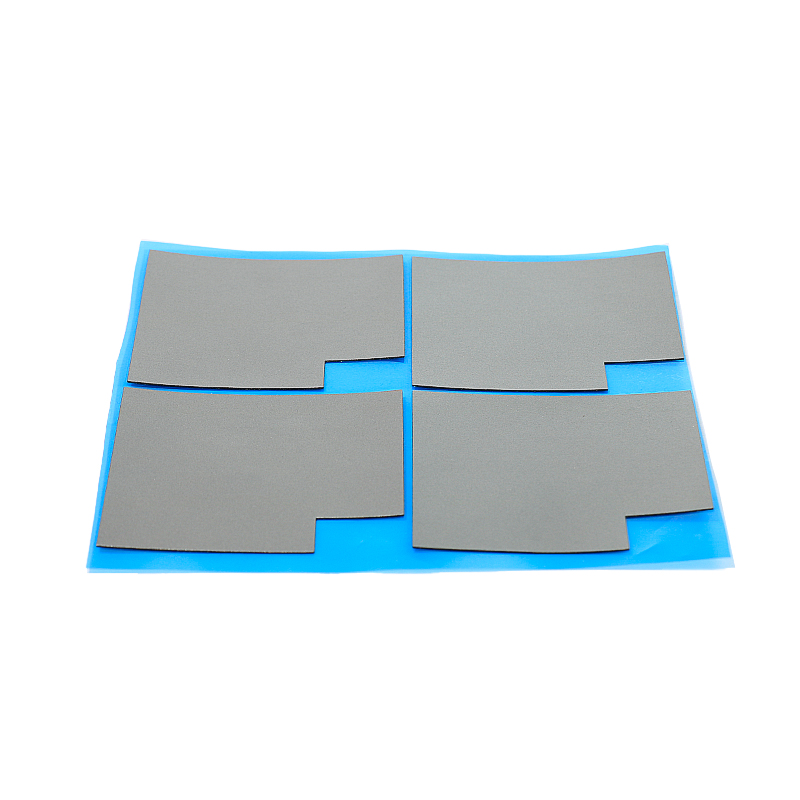
| Custom cutting | Faster assembly, fewer errors |
| Lab testing | Verified thermal margin |
3. Why Global Buyers Choose SpringGrass
SpringGrass offers low-volatile, high-performance pads for modern designs, with strong quality control and quick technical support for global projects.
- Wide thermal range from mid to very high W/m·K
- Low-outgassing lines for optics and EVs
- Experience with export and compliance files
Conclusion
Thermal conductive pads are core to safe, reliable electronics through 2026, from EVs and servers to telecom and LEDs. Wise buyers match materials, W/m·K, and thickness to each design’s power and mechanical limits.
By focusing on clean installation, compliance, and proven suppliers such as SpringGrass, global teams can secure stable thermal performance and long product lifetimes.
Frequently Asked Questions about thermal conductive pad
1. How do I select the right thermal conductivity?
Estimate power loss and allowed temperature rise, then run a quick thermal model or test. Medium power often uses 4–6 W/m·K, high density 8–10 W/m·K or higher.
2. Can I stack two thermal pads to fill a big gap?
Stacking is not ideal because it raises thermal resistance and can shift under pressure. Where possible, use a single thicker pad specified for that gap.
3. How long do thermal pads typically last in the field?
Quality pads usually match the product life, often 7–15 years, if you keep them within rated temperature, compression, and environmental conditions.
4. Are thermal pads better than thermal grease?
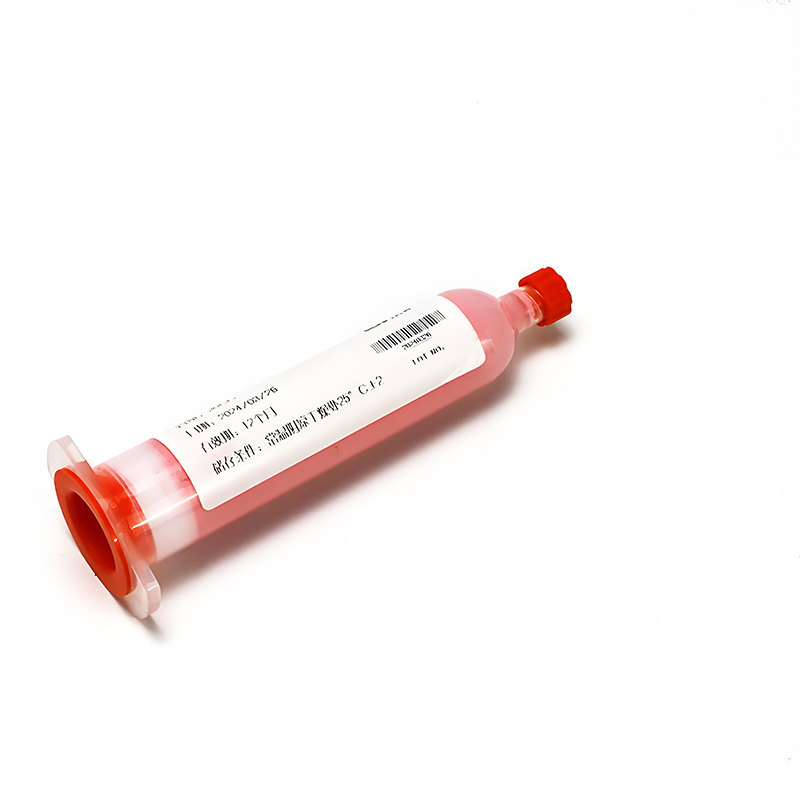
Pads are cleaner, easier to automate, and more repeatable. Grease can give slightly lower resistance but may pump-out or dry under long-term stress.
5. What documents should I request from a supplier?
Ask for full datasheets, RoHS/REACH statements, flammability reports, reliability data, and, if needed, auto-grade or industry-specific qualification reports.





 Privacy settings