


.png)


.png)




Burnt fingers, warped countertops, and mystery scorch marks again? Don’t worry—this 2026 Market Outlook for Heat Insulating Pads turns your “why is everything melting?” chaos into a well-padded, heat-safe success story.
We’ll unpack global trends, prices, and winning materials so you can choose smarter pads, cut damage, and boost safety—backed by data from the Grand View Research Insulation Market Report.
🔥 Rising Demand for Heat Insulating Pads in Construction and Infrastructure 2026
By 2026, heat insulating pads will see strong demand from smart buildings, data centers, and transport infrastructure as project owners target better energy control and safer heat management.
Developers now favor high‑performance, RoHS-compliant pads that combine strong thermal conductivity with electrical insulation and long service life, especially in compact, electronics-rich buildings.
1. Smart Buildings and Green Construction
Smart buildings use more sensors, LED drivers, and control modules. Each device needs stable thermal paths to keep performance high and energy loss low.
- HVAC controllers and inverters generate more heat in tight spaces.
- Heat pads protect PCBs, extend service life, and cut maintenance.
- Low‑volatile pads help meet indoor air quality rules.
2. Data Centers and Power Infrastructure
Cloud growth and edge computing push data centers to raise power density. Reliable thermal interfaces protect servers, UPS units, and power conversion modules.
- High‑wattage chips need stable contact with heat sinks.
- Pads fill gaps created by manufacturing tolerance.
- Better thermal paths reduce cooling load and energy bills.
3. Transportation, Rail, and EV Charging
Rail, EV chargers, and traffic systems use heavy power electronics. Heat insulating pads improve safety and uptime in harsh outdoor conditions.
| Application | Thermal Need |
|---|---|
| EV chargers | High heat flux, outdoor stability |
| Rail control | Shock, vibration, wide temperature range |
| Traffic systems | Long life, low maintenance |
4. Choosing Performance Levels for Building Systems
Engineers balance cost, thermal performance, and volatility. For mid‑power modules, many specify the 6W/mk Low Volatile Thermal Pad HRTP-M16-T060NV Series to secure stable heat paths without over‑engineering.
🌍 Regional Market Shifts: Asia-Pacific, Europe, and North America Outlook
Regional demand in 2026 will vary with building codes, electronics output, and renewable energy projects, shaping where high‑end heat insulating pads gain the fastest traction.
Asia-Pacific leads production and new builds, Europe tightens green rules, and North America invests in data centers and grid upgrades, driving diverse specifications.
1. Asia-Pacific: Manufacturing and Infrastructure Core
Asia-Pacific will remain the largest hub, powered by electronics plants, 5G rollouts, and energy‑intensive infrastructure for rail, ports, and industrial parks.
- Strong local supply chains lower cost and lead time.
- Government projects favor energy‑saving materials.
- OEMs adopt higher thermal grades for compact devices.
2. Europe: Regulation-Driven Premium Segment
Stricter building and eco-design directives push European buyers toward low‑emission, high-reliability pads, even at a premium price point.
| Driver | Impact on Pads |
|---|---|
| Energy directives | Demand for higher thermal efficiency |
| REACH/RoHS | Low‑VOC, compliant chemistry |
| Retrofits | Need for easy‑install materials |
3. North America: Data Centers and Industrial Retrofits
North America prioritizes data centers, oil and gas electrification, and industrial retrofits, all needing robust thermal control under varied climates.
- Hyperscale data centers seek consistent pad quality.
- Utilities upgrade controls with better thermal links.
- OEMs want pads that simplify maintenance.
4. Segment Mix and Import Dynamics
Imports from Asia-Pacific remain important, but regional warehousing and technical support will grow to meet just‑in‑time delivery and local testing needs.
🧪 Material Innovations Enhancing Thermal Performance and Durability of Insulating Pads
Material innovation targets higher thermal conductivity, lower volatility, and stronger mechanical stability for demanding industrial, EV, and power electronics environments.
By 2026, compound design will focus on safer fillers, low outgassing, and stable performance across wide temperature ranges and repeated thermal cycling.
1. High-Conductivity, Low-Volatile Formulations
Advanced silicone matrices combined with optimized ceramic fillers now deliver strong thermal paths with reduced volatility and minimal siloxane fogging.
- Improves LED clarity and sensor accuracy.
- Reduces risk of contact failures on connectors.
- Supports long warranties in mission‑critical gear.
2. Matching Thermal Grades to Application Risk
Designers choose conductivities from mid to ultra-high grades. For high‑load power modules, the 8W/mk Low Volatile Thermal Pad HRTP-M16-T080NV Series balances strong cooling with easy assembly.
3. Durability Under Thermal and Mechanical Stress
New pads keep compression set low and resist pump‑out during vibration and cycling, protecting joints in EV chargers and industrial drives.
| Property | Benefit |
|---|---|
| Low compression set | Stable contact pressure |
| Good tear resistance | Less damage during assembly |
| Wide temp range | Reliable in outdoor systems |
♻️ Sustainability, Energy Efficiency, and Regulations Shaping Product Development
Environmental rules and carbon goals are reshaping how heat insulating pads are designed, produced, and certified in global markets.
Manufacturers now track full life cycle impact, from raw materials to in‑use energy savings and end‑of‑life handling.
1. Energy Savings as a Core Design Metric
Thermal pads no longer serve only as protection; they also cut cooling demand and help designers hit building and equipment energy targets.
- Lower junction temperatures improve efficiency.
- Stable pads allow smaller heat sinks and fans.
- Systems run quieter and use less power.
2. Compliance with Global and Local Standards
RoHS, REACH, and regional VOC standards drive low‑volatile, halogen‑free chemistries and detailed material declarations.
| Standard | Relevance |
|---|---|
| RoHS | Limits hazardous substances |
| REACH | Controls chemical exposure |
| VOC rules | Protect indoor air quality |
3. Circular Design and Long Service Life
Long‑lasting, stable pads reduce replacements and waste, while simplified disassembly supports recycling of electronics and power equipment.
📈 Strategic Opportunities for SpringGrass in Emerging Industrial and Residential Applications
By 2026, SpringGrass can expand by serving high‑growth sectors that need reliable thermal control and easy integration in compact systems.
Tailored grades, strong technical support, and fast delivery will be key to capturing share from both new builds and retrofit projects.
1. Power Electronics, Inverters, and Storage Systems
Solar inverters, ESS units, and motor drives need very high conductivity. The 10W/mk Low Volatile Thermal Pad HRTP-M16-T100NV Series targets such dense, heat‑intensive modules.
2. Residential Appliances and Smart Home Devices
Appliances, heat pumps, and smart hubs now pack more electronics in tight enclosures, creating new demand for quiet, maintenance‑free thermal solutions.
- Improved safety for motor drives and control boards.
- Better comfort thanks to reduced fan noise.
- Longer life for compressors and power supplies.
3. Collaborative Design with OEMs and Integrators
Early co‑design with OEMs allows SpringGrass to tune pad thickness, hardness, and handling features to cut assembly time and raise yield.
Conclusion
By 2026, heat insulating pads will stand at the center of safer, more efficient buildings, grids, and devices. Higher performance, low‑volatile materials will support tougher rules and tighter designs.
Producers that combine strong R&D, application support, and reliable supply will gain an edge as global projects scale and thermal risks grow.
Frequently Asked Questions about heat insulating pad
1. What is a heat insulating pad?
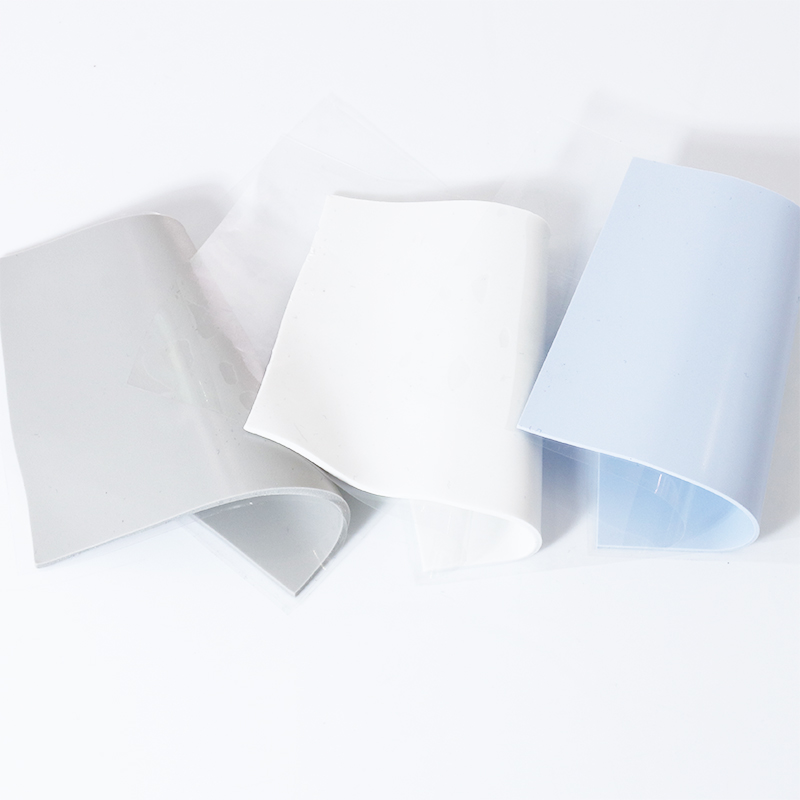
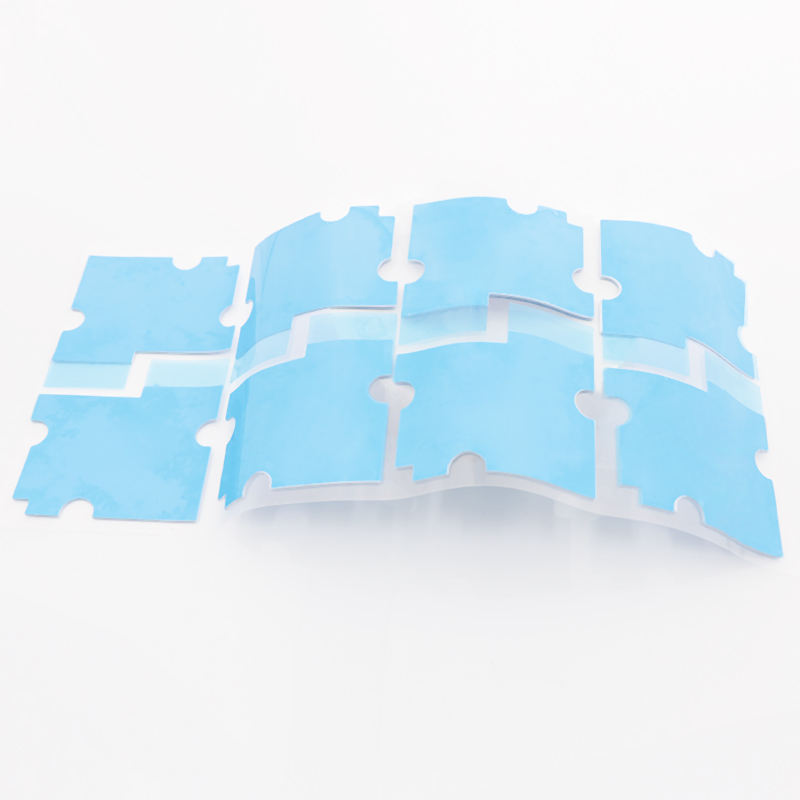
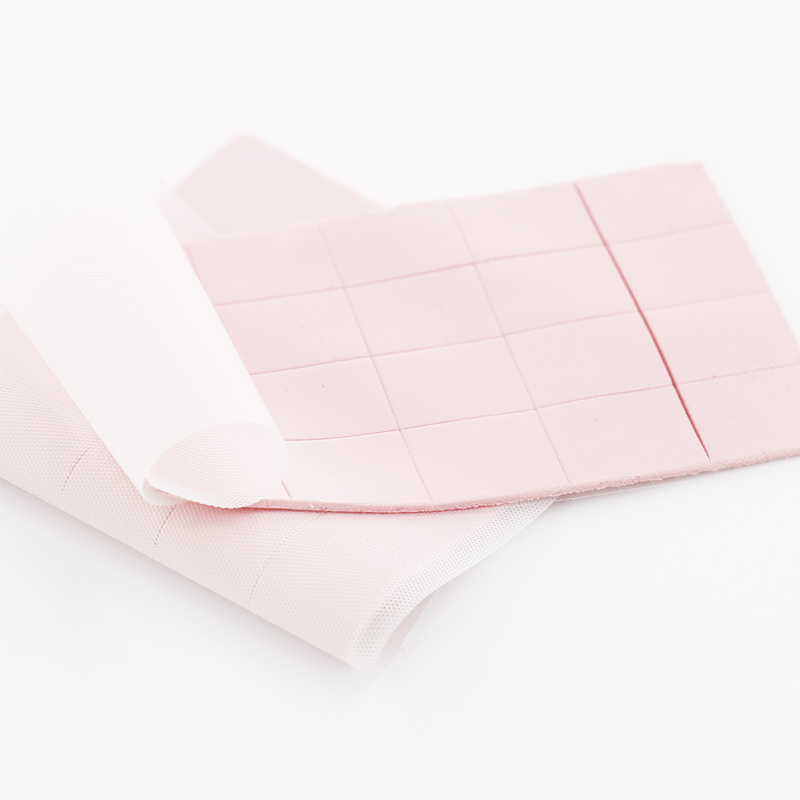
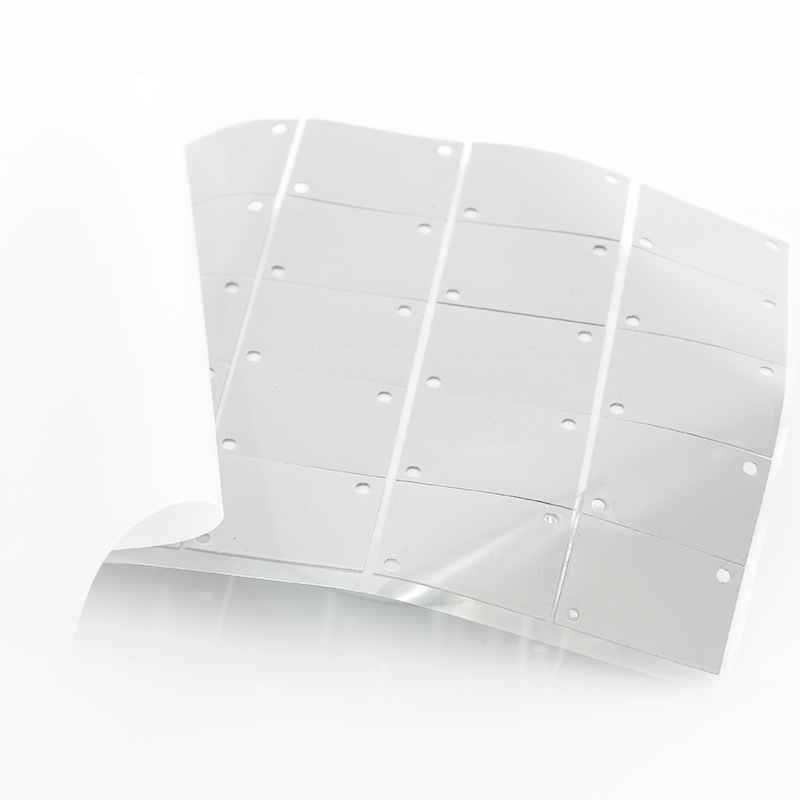
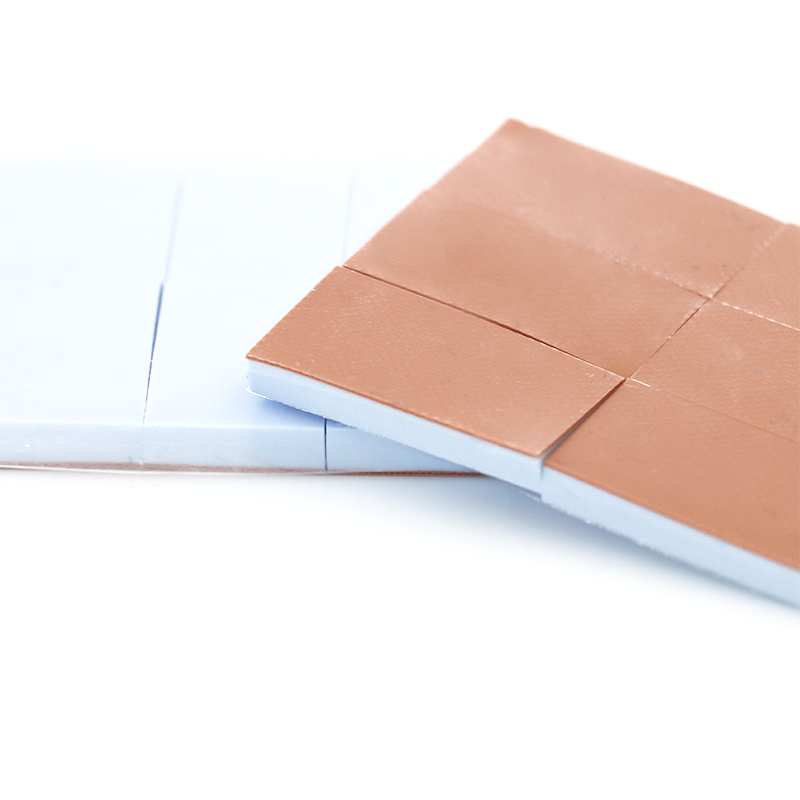
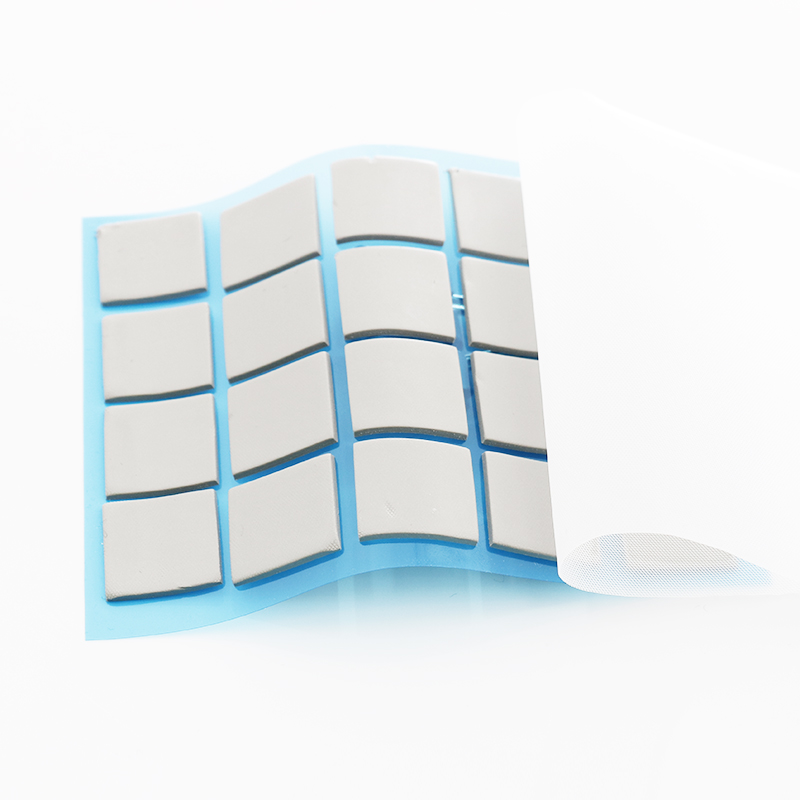
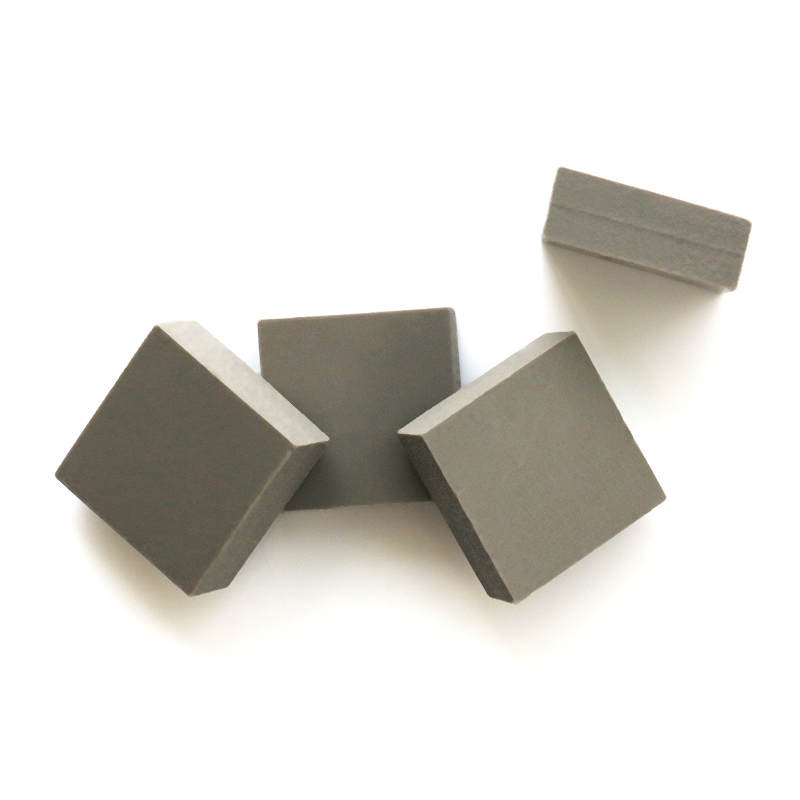
A heat insulating pad is a soft sheet material that transfers heat from components to heat sinks while also providing electrical insulation and mechanical cushioning.
2. Where are heat insulating pads used?
They are used in power supplies, inverters, LED drivers, EV chargers, data center equipment, consumer appliances, and building control systems.
3. How do I choose the right thermal conductivity?
Match conductivity to power density and temperature target. Higher power or limited space usually needs higher W/m·K, though cost and assembly also matter.
4. Why is low volatility important?
Low volatility reduces outgassing and siloxane fogging, which helps protect optics, contacts, and indoor air quality, especially in sealed or sensitive systems.
5. Can heat insulating pads replace thermal grease?
In many designs, yes. Pads give more consistent thickness, cleaner assembly, and easier rework, though very rough surfaces may still use grease.





 Privacy settings