


.png)


.png)



• 📈 Global demand drivers shaping the graphite sheet market by 2026
By 2026, the graphite sheet market will expand on strong growth in EVs, 5G, and advanced electronics cooling, with demand centered in Asia, North America, and Europe.
Policy support, battery innovation, and rising power density in devices will push OEMs to adopt thinner, higher-performance graphite sheets over legacy thermal interface materials.
1. Growth in consumer electronics and 5G devices
Smartphones, tablets, and 5G base stations need fast heat spreading. This lifts demand for ultra-thin, flexible graphite sheets that stabilize temperatures and extend device life.
- Higher CPU/GPU power
- Thinner device designs
- More antennas and RF modules
2. Electric vehicles and battery thermal control
Battery packs, inverters, and onboard chargers all require thermal management. Graphite sheets help keep cells in a safe, narrow temperature window.
- Battery module heat spreading
- Power electronics cooling
- Lower system weight vs metal parts
3. Industrial automation and high-power equipment
Robots, drives, and power supplies run hotter as factories digitize. Graphite sheets manage hotspots without adding bulky metal heatsinks.
| Segment | Key Use |
|---|---|
| Drives | IGBT and MOSFET cooling |
| Robotics | Controller and servo heat spread |
4. Regional expansion and localized supply chains
OEMs want regional sourcing to cut risk. Investments in Asian, European, and US production bases support stable supply and quicker design support.
- Localized converting
- Shorter lead times
- Closer technical support
• 🧪 Material innovations and performance improvements in advanced graphite sheet products
New synthetic and graphene-enhanced graphite sheets improve thermal conductivity, flexibility, and reliability, helping designers solve tougher heat problems in tight spaces.
Suppliers focus on better purity, oxidation resistance, and bonding layers that keep performance stable through long, repeated thermal cycles.
1. Higher thermal conductivity and stability
Engineers push for higher in-plane thermal conductivity while keeping through-thickness insulation. Stable performance under high temperature and cycling is essential.
- Improved graphitization processes
- Better control of porosity
- Consistent thermal specs lot-to-lot
2. Thinner, more flexible synthetic graphite
Synthetic graphite sheets now reach sub-20 μm thickness with strong flexibility. This supports ultra-slim devices and complex bending paths.
| Property | Typical Range |
|---|---|
| Thickness | 10–100 μm |
| In-plane k | 300–1500 W/m·K |
3. Graphene-enhanced composites for peak hotspots
Graphene-loaded graphite laminates target extreme hotspots in CPUs, GPUs, and RF modules, offering faster lateral heat spreading than standard films.
- Better hotspot reduction
- Improved reliability under cycling
4. Application-specific graphite gasket solutions
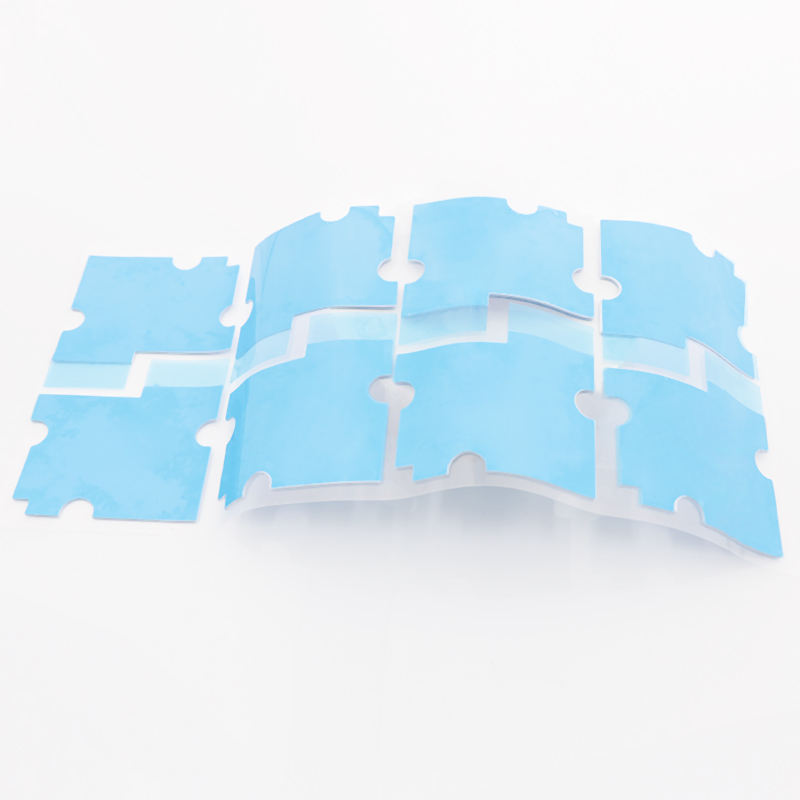
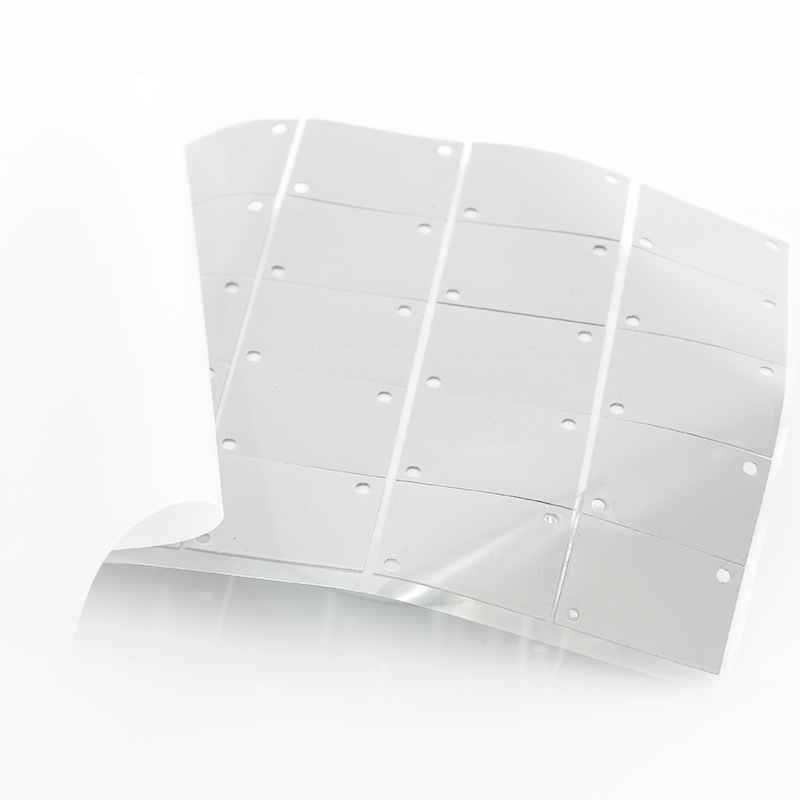
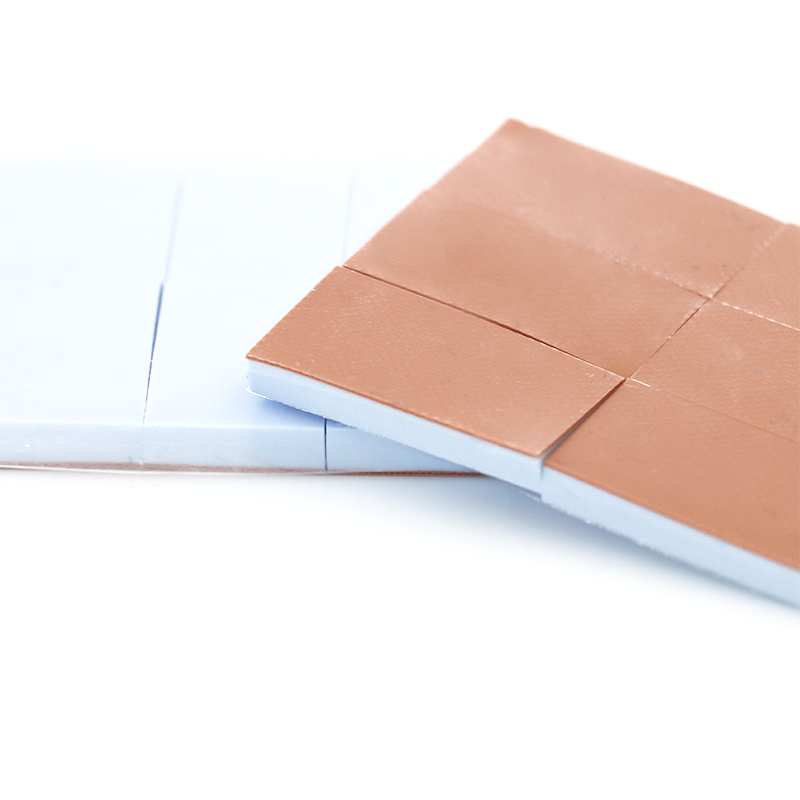
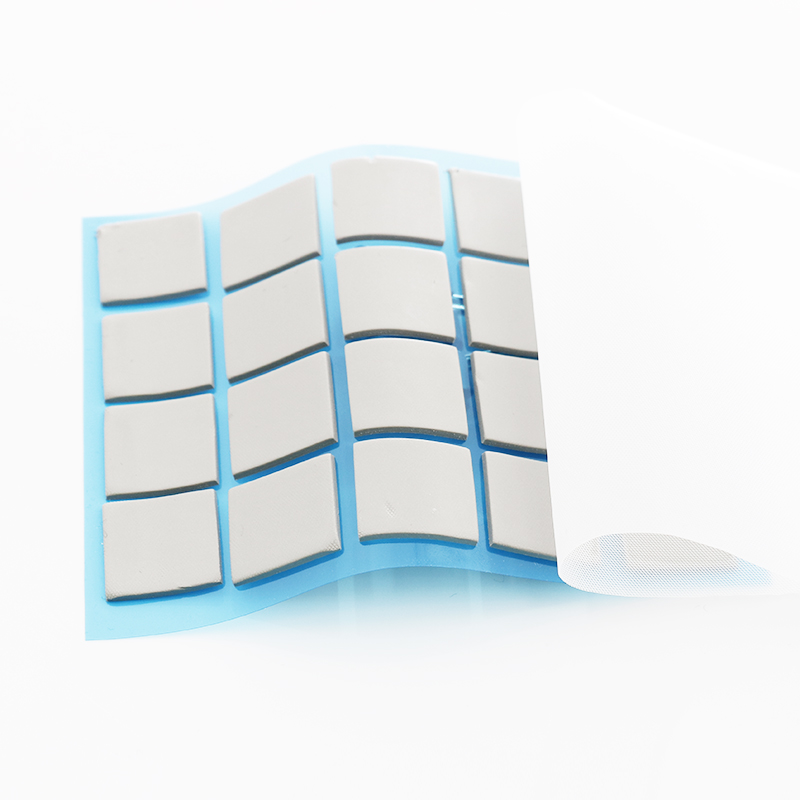
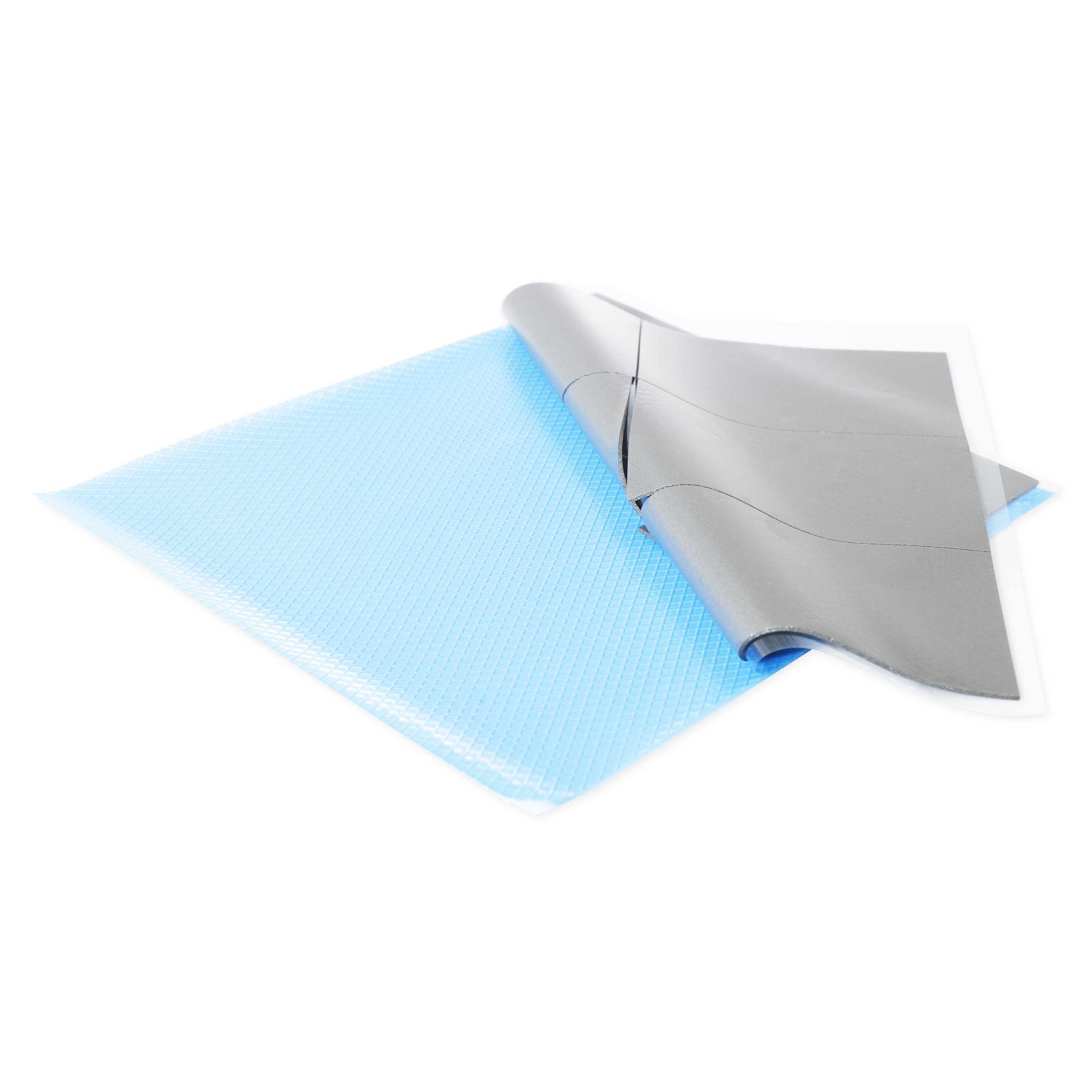
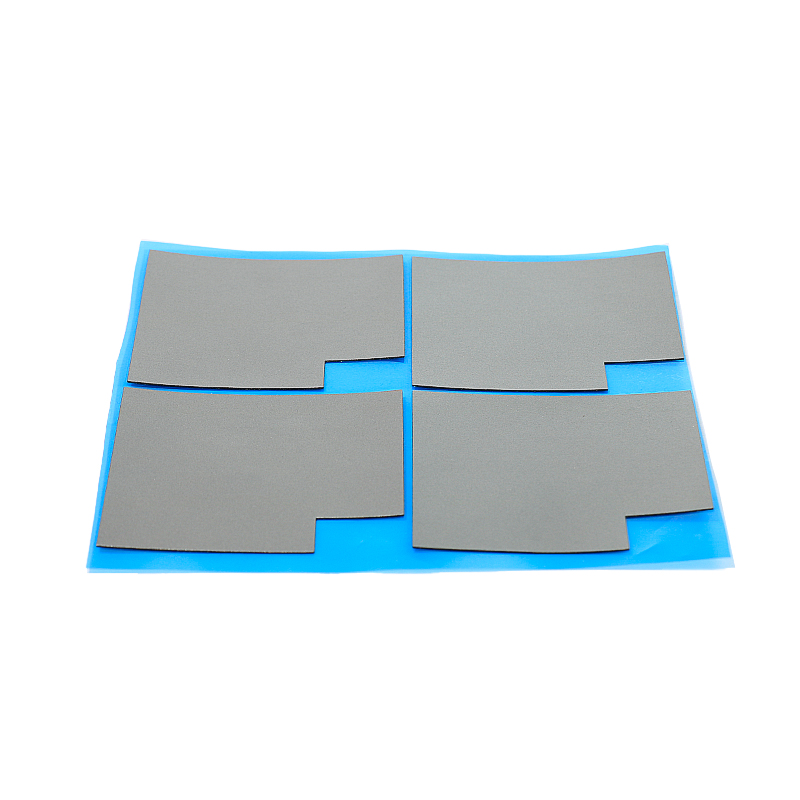
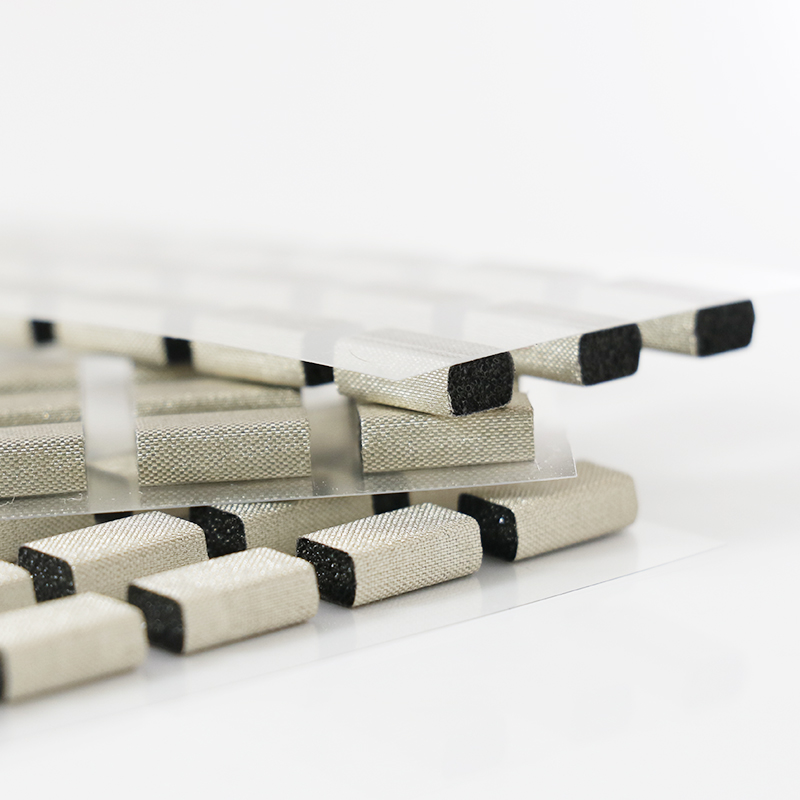
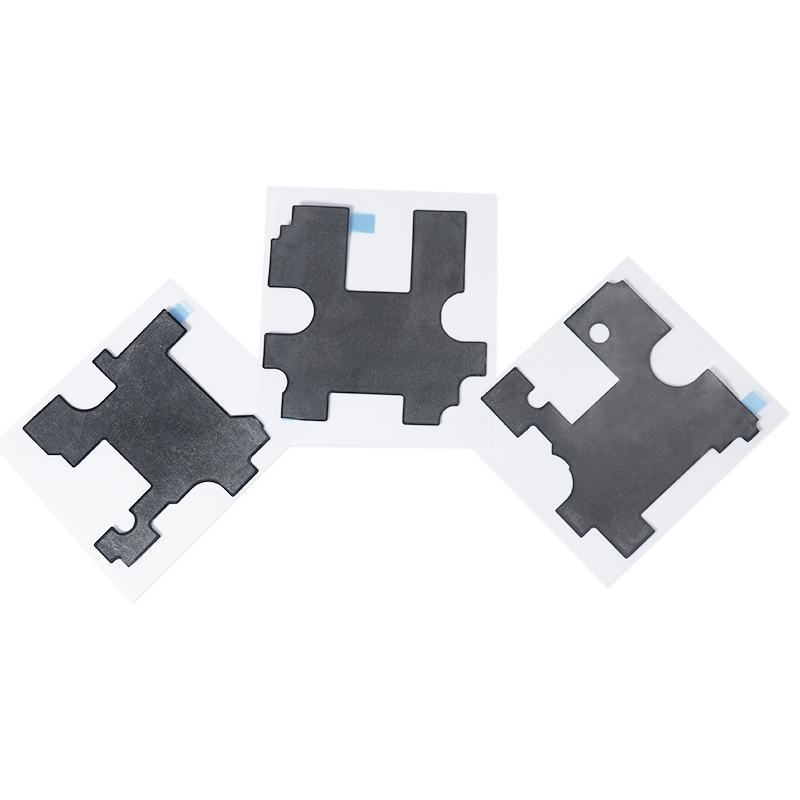
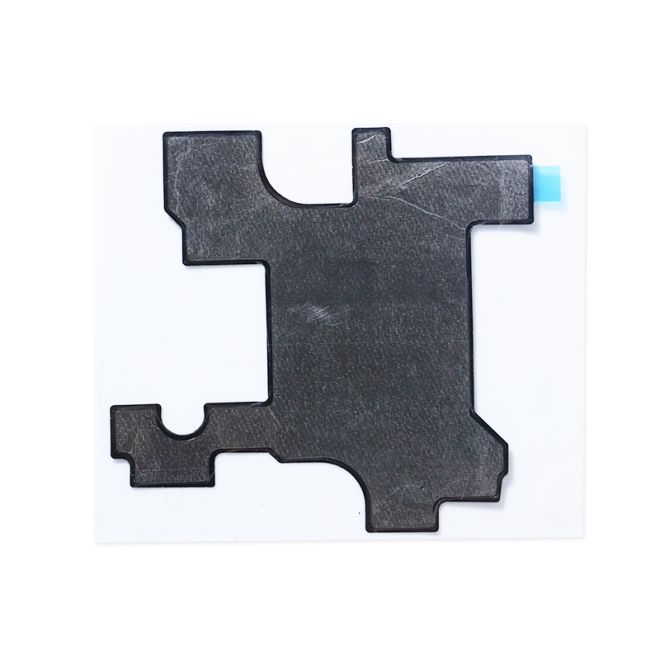
Thermal gaskets integrate graphite with carriers and adhesives for easy assembly. Products like Synthetic Graphite Gasket WS-B Series support precise, repeatable installation.
| Feature | Benefit |
|---|---|
| Custom shapes | Fits tight layouts |
| Adhesive backing | Faster assembly |
• 🏭 Impact of EVs and electronics miniaturization on graphite sheet consumption
EV battery growth and smaller, more powerful electronics both accelerate graphite sheet demand by 2026, especially for thin, consistent thermal interface solutions.
Designers increasingly replace thick pads and metal parts with engineered graphite laminates that save space and weight.
1. EV batteries, inverters, and onboard chargers
Graphite sheets spread heat along battery modules and power electronics, cutting thermal gradients and supporting fast charging targets.
- Better cell temperature uniformity
- Lower pack-level stress
2. Ultra-thin phones, wearables, and tablets
Miniaturization drives the need for flexible, cut-to-shape graphite films that move heat away from processors and radios without thick heatsinks.
| Device | Typical Use |
|---|---|
| Smartphone | CPU and camera cooling |
| Wearable | SoC and battery comfort |
3. Data centers and edge computing hardware
Compact servers and edge nodes use graphite sheets to tame dense hotspots on CPUs, GPUs, and memory, improving uptime and energy efficiency.
- Reduced fan speed needs
- Higher rack power per unit
• 💹 Price trend forecast to 2026, including key cost and supply factors
Graphite sheet prices should remain firm to slightly higher through 2026 as raw material, energy, and high-precision processing costs increase.
Capacity additions in Asia and localization in other regions will partly offset upward pressure from strong EV and electronics demand.
1. Raw materials, energy, and processing yields
Coke, energy, and furnace time are core cost drivers. Better yields and automation help control unit costs despite rising demand.
- Higher graphitization temperatures
- More precise calendering
2. Regional capacity and logistics shifts
New lines in Asia, plus regional converting in Europe and North America, reduce freight costs and supply risk for key OEMs.
| Region | Key Trend |
|---|---|
| Asia-Pacific | Major capacity growth |
| Europe / US | More local converting |
3. Price outlook and buyer strategies to 2026
Expect moderate price rises. Long-term contracts, dual sourcing, and early design alignment with suppliers help stabilize total system cost.
- Secure multi-year supply
- Co-design to avoid over-spec
• 🛡️ Role of SpringGrass graphite sheets in high-reliability thermal management applications
SpringGrass graphite sheets focus on stable performance, strict quality control, and design support for critical EV, telecom, and industrial applications.
Engineers can use these materials to improve thermal safety margins while keeping assemblies thin and lightweight.
1. Reliability for EV, telecom, and industrial systems
SpringGrass products target long life under heat, vibration, and cycling, supporting demanding EV packs, base stations, and automation drives.
- Stable thermal specs
- Controlled compression and recovery
2. Graphene-based solutions for extreme hotspots
For severe hotspots, solutions such as the Graphene Gasket BX Series provide strong heat spreading with compact form factors.
| Benefit | Application |
|---|---|
| High thermal performance | High-power CPUs/GPUs |
| Thin profile | Space-limited modules |
3. Design support and customization for OEMs
SpringGrass supports OEMs with custom cuts, stack-ups, adhesives, and technical guidance, helping teams reach thermal targets faster and with lower risk.
- Application engineering help
- Prototype-to-mass ramp support
Conclusion
The graphite sheet market will keep growing through 2026 as EVs, 5G, and compact electronics raise thermal performance needs.
Buyers who partner with reliable suppliers, consider advanced synthetic and graphene-enhanced solutions, and lock in supply early will manage both cost and risk more effectively.
Frequently Asked Questions about graphite sheet
1. What is a graphite sheet?
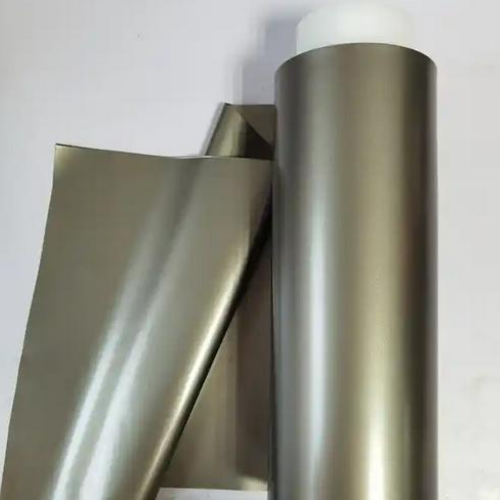
A graphite sheet is a thin, flexible layer of natural or synthetic graphite used to spread and manage heat in electronic, EV, and industrial systems.
2. How is graphite sheet used in electronics?
Engineers place graphite sheets over chips, batteries, or modules to move heat laterally to safer, larger areas, keeping surface temperatures more even.
3. What is the difference between synthetic and natural graphite sheets?
Synthetic sheets usually offer more consistent quality, higher purity, and better control of thickness and thermal conductivity than natural graphite sheets.
4. Are graphite sheets safe for EV battery packs?
Yes. Properly designed graphite sheets help stabilize battery temperatures, support fast charging, and improve safety when integrated with a complete pack design.
5. How will graphite sheet prices change by 2026?
Prices are likely to trend slightly upward due to strong demand and energy costs, though new capacity and better yields may limit sharp increases.





 Privacy settings