










.png)


.png)



Your devices run hotter than your coffee, spreadsheets scream “overheating,” and choosing thermal adhesive feels like blind dating with glue.
This white paper explains clear specs, real cases, and future trends, backed by an industry market report, so you pick adhesives that cool reliably and scale profitably.
1. 📌 Global Thermal Conductive Adhesive Market Size, Growth Drivers, and Forecasts
The global thermal conductive adhesive market is expanding steadily as electronics, EVs, and renewable energy systems demand safer and more efficient heat dissipation solutions.
Analysts expect strong CAGR through 2030, driven by miniaturization, higher power density, and stricter reliability standards across critical electronic and power modules.
1.1 Market Size and Regional Landscape
Asia-Pacific leads consumption, followed by North America and Europe. Strong growth comes from China’s EV ecosystem and advanced packaging lines in Korea, Japan, and Southeast Asia.
- Asia-Pacific: >50% share, fastest growth
- North America: led by automotive and defense electronics
- Europe: strong in industrial automation and renewable energy
1.2 Core Growth Drivers
Key drivers include 5G infrastructure rollout, data centers, and higher power semiconductor devices that require better thermal interfaces and long-term stability.
- Power modules and inverters
- Server and storage systems
- On-board chargers and battery packs
1.3 Technology and Product Mix Trends
Silicone-based, thermal filler,and polyurethane systems dominate, while gap-filling gels gain share due to easier assembly and rework in high-volume production.
| System | Key Benefit |
|---|---|
| Silicone | Flexibility, high temperature resistance |
| Thermal Filler | Strong bonding, chemical resistance |
| Gels | Low stress, good reworkability |
1.4 Forecasts and Strategic Opportunities
Vendors that offer reliable, RoHS/REACH-compliant, automation-ready products will gain share, especially in EV, photovoltaic, and high-performance computing markets.
- High thermal conductivity gels
- Low-VOC, low-bleed formulations
- Solutions optimized for automated dispensing
2. 📌 Key Application Fields: Electronics Packaging, New Energy, and Automotive Electronics
Thermal gel support compact designs, protect devices from overheating, and improve system life in demanding electronics and power applications.
They fill gaps, bond components, and create stable thermal paths between heat sources and heat sinks or housings.
2.1 Electronics Packaging and Semiconductor Modules
Advanced packaging uses thermal gels to manage high heat in CPUs, GPUs, power ICs, and SiC modules without adding mechanical stress.
- Server CPUs and GPUs
- 5G base station RF modules
- Power management ICs
2.2 New Energy: PV, Energy Storage, and Charging
Inverters, energy storage systems, and fast chargers rely on stable thermal paths to keep IGBTs, MOSFETs, and control electronics within safe limits.
- String and central inverters
- Battery energy storage packs
- DC fast chargers and on-board chargers
2.3 Automotive Electronics and EV Platforms
EV battery packs, inverters, and ADAS controllers need shock-resistant, vibration-tolerant thermal materials that sustain wide temperature ranges.
| Module | Thermal Role |
|---|---|
| Inverter | Transfer heat from power devices |
| OBC/DC-DC | Stabilize temperature under load |
| Battery pack | Balance cell temperatures |
2.4 Market Data Visualization
Below is a simple bar chart example showing indicative demand distribution across major application segments for thermal conductive adhesives.
3. 📌 Performance Indicators: Thermal Conductivity, Reliability, and Environmental Compliance Requirements
Engineers evaluate thermal adhesives by thermal performance, mechanical stability, and compliance with environmental and safety regulations.
Balanced design helps ensure long service life, low failure rates, and simpler qualification processes.
3.1 Thermal Conductivity and Interface Resistance
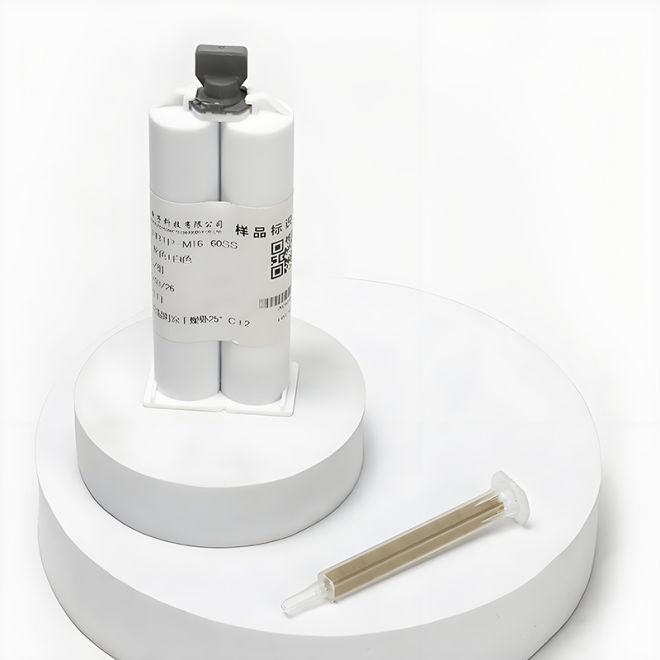
Thermal conductivity must match power density. Products like 4.5W/mk One Part Thermal Gel HRTP-M16-GSN045VSW600 Series support high-power modules with efficient heat transfer.
- W/m·K value vs. thickness
- Contact resistance after aging
3.2 Long-Term Reliability
Key checks include pump-out resistance, low volatility, and stability under thermal shock, vibration, and power cycling.
| Test | Purpose |
|---|---|
| Thermal cycling | Check cracking and delamination |
| High-temp storage | Measure bleed and hardness change |
3.3 Environmental and Safety Compliance
Modern materials must meet RoHS, REACH, and often automotive or UL standards, while reducing VOCs and siloxane outgassing.
- Halogen-free preference
- Low odor and safer handling
4. 📌 Technological Innovations: Material Systems, Formulation Trends, and Process Optimization
New fillers, binders, and curing systems aim to raise thermal conductivity while keeping low stress and easy processing.
Suppliers also fine-tune rheology for automated dispensing and screen printing.
4.1 Advanced Filler and Binder Systems
Hybrid ceramic and metal oxide fillers improve heat transfer without making the adhesive too stiff or hard to dispense.
- Optimized particle size distribution
- Improved interface bonding
4.2 Formulation Trends for One-Part and Two-Part Thermal Gel
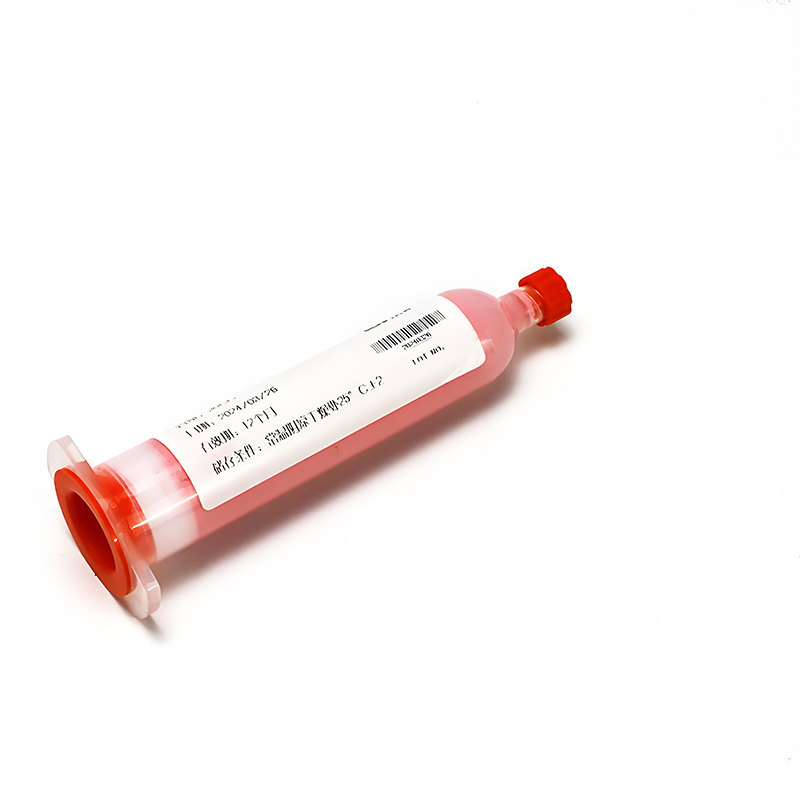
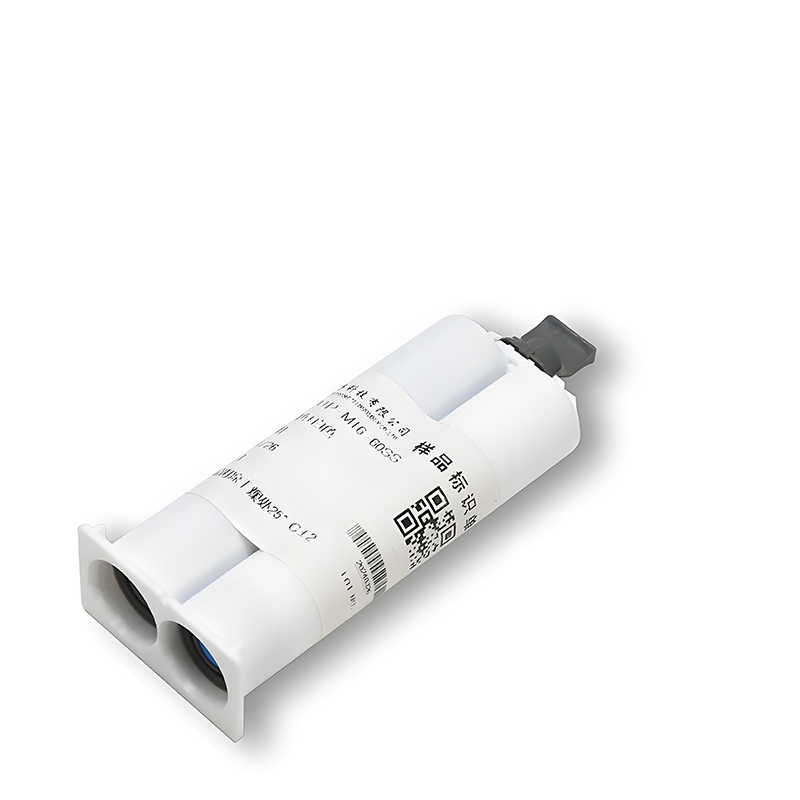
One-part gels such as 3W/mk One Part Thermal Gel HRTP-M16-GSN030VSW700 Series, while two-part gels like 2W/mk Two-Part Thermal Gel HRTP-M16-GSR020WLW200 Series.
| Type | Main Advantage |
|---|---|
| One-part | Easy use, no mixing |
| Two-part |
curing, deeper sections |
4.3 Process Optimization and Automation Readiness
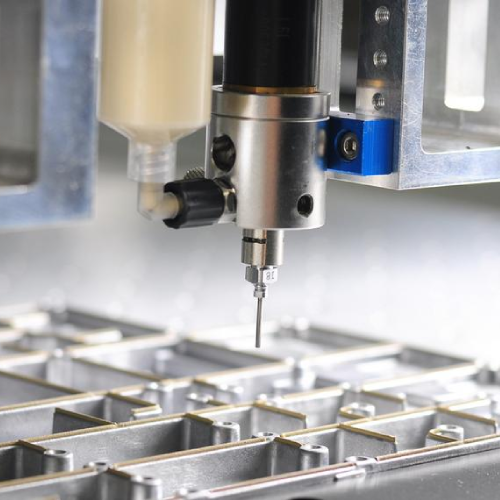
Stable viscosity, low stringing, and controlled thixotropy enable precise automated dispensing, which cuts cycle time and improves line yield.
- Robot-friendly rheology
- Fast cure at moderate temperatures
5. 📌 Brand and Product Selection Recommendations: Choosing SpringGrass for Stable Thermal Management
When selecting a supplier, engineers should evaluate performance data, application support, and supply stability over full product life cycles.
SpringGrass focuses on reliable thermal gels that fit real production needs.
5.1 Matching Products to Power Levels and Gaps
Define power loss, target temperature, and interface gap. Then choose proper thermal conductivity, viscosity, and hardness to avoid stress and incomplete coverage.
- Thin gaps: Low Thermal Resistance
- Large tolerances: softer gels
5.2 Qualification, Testing, and Line Trials
Run lab tests and pilot builds to confirm pump-out resistance, dispensing stability, and compatibility with neighboring materials and surfaces.
| Stage | Goal |
|---|---|
| Lab | Screen candidates |
| Pilot line | Validate process window |
5.3 Why Choose SpringGrass Thermal Gel
SpringGrass offers clear datasheets, stable quality, and technical support for EV, new energy, and high-power electronics, helping customers reduce risk and speed design-in.
- Wide product portfolio
- Support for custom requirements
Conclusion
The thermal gel market keeps growing with the rise of EVs, renewable energy, and high-power electronics. Engineers need materials that combine strong thermal performance with stable, low-stress bonding.
By focusing on proven gels, reliable supply, and real test data, manufacturers can improve system safety, extend lifetime, and support long-term product roadmaps.
Frequently Asked Questions about thermal conductive adhesive
1. What is thermal gel?
Thermal conductive adhesive is a bonding or gap-filling material that transfers heat from electronic components to heat sinks or device housings while providing mechanical support.
2. How do I select the right thermal conductivity?
Estimate power loss, allowable temperature rise, and interface thickness. Higher power density or thinner gaps usually need higher thermal conductive to keep devices within safe limits.
3. What is the difference between grease, pad, and gel?
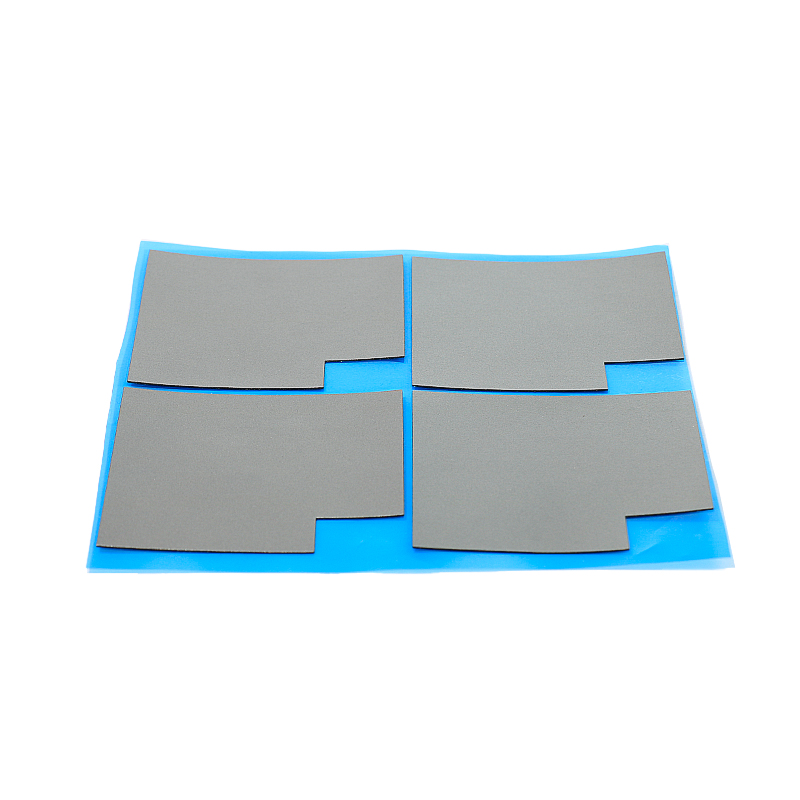
Thermal grease offers low resistance but can pump out. Thermal pads are solid sheet materials that are easy to install and resistant to aging. Thermal gel provide good conformity, low stress, and better long-term stability.
4. Which tests are most important for automotive and EV use?
Key tests include thermal cycling, high-temperature storage, vibration, electrical insulation, and chemical resistance to ensure safe and long-lasting performance in harsh conditions.





 Privacy settings