


.png)


.png)



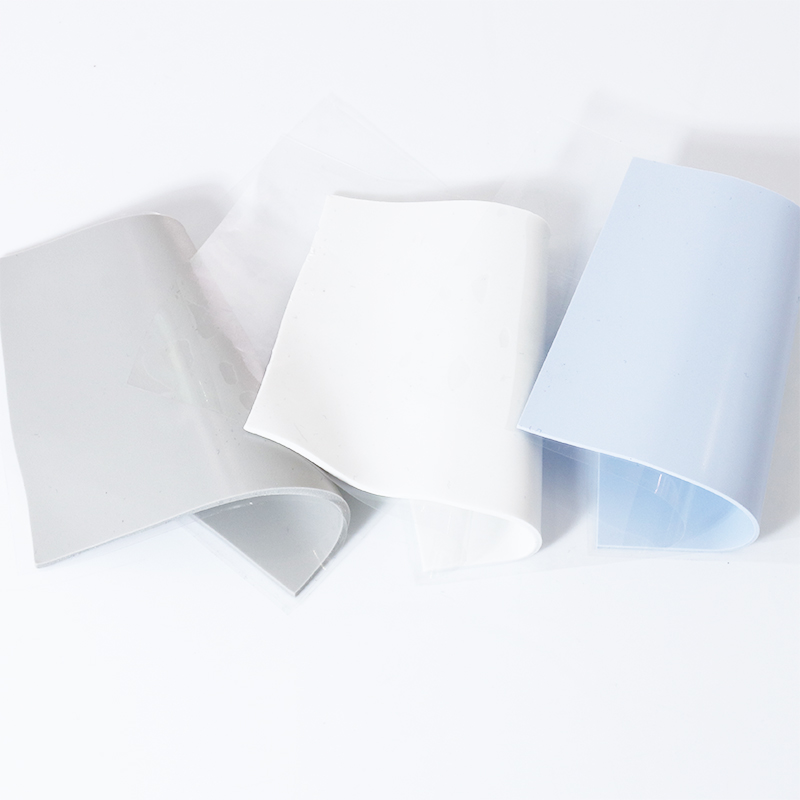
Choosing silicone sheets for global importing feels like speed-dating with rubber—everyone claims “premium quality,” but you still end up with mystery odors, wrong hardness, and customs drama.
This 2026 Silicone Sheet Buying Guide cuts through the chaos with clear specs, compliance tips, and sourcing checks, backed by ISO material standards so you can import confidently.
🔹 Key 2026 Trends Shaping Global Silicone Sheet Demand and Standards
By 2026, silicone sheet buyers will focus on thermal performance, clean compliance, and supply security. Clear technical data and certified materials will decide long‑term sourcing choices.
Importers should link product selection with regional safety rules, carbon goals, and device miniaturization. This reduces approval risk and improves lifetime value in electronics and industrial projects.
1. Higher Thermal Conductivity for Compact Electronics
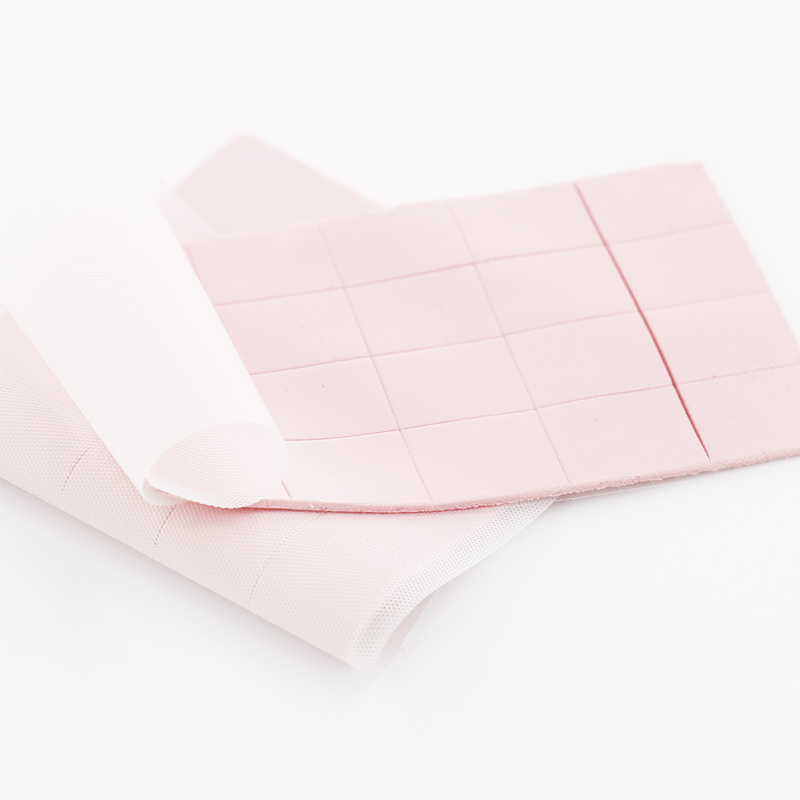
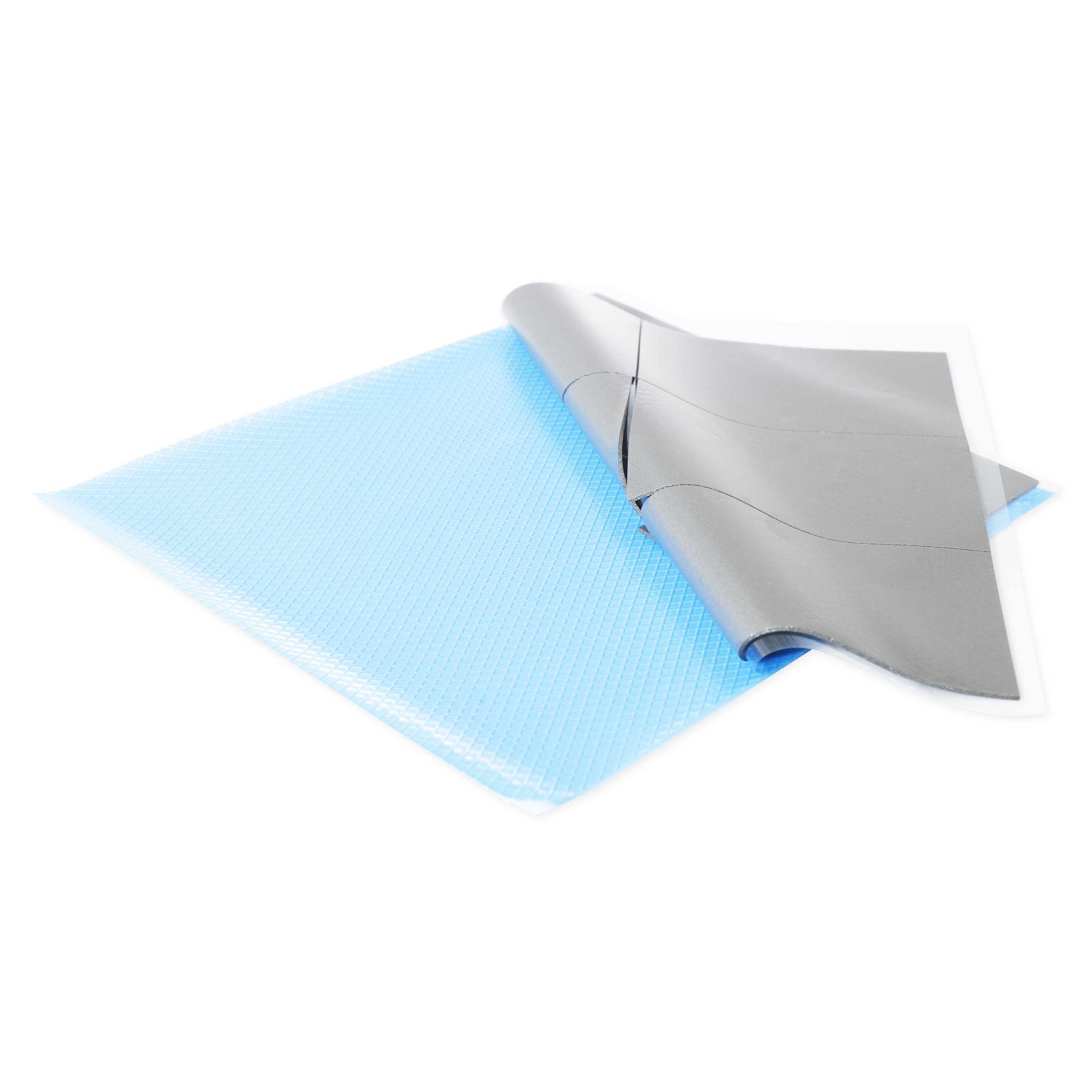
More power in smaller devices drives demand for stable thermal interface silicone sheets and pads with 3–10 W/m·K and strong dielectric strength.
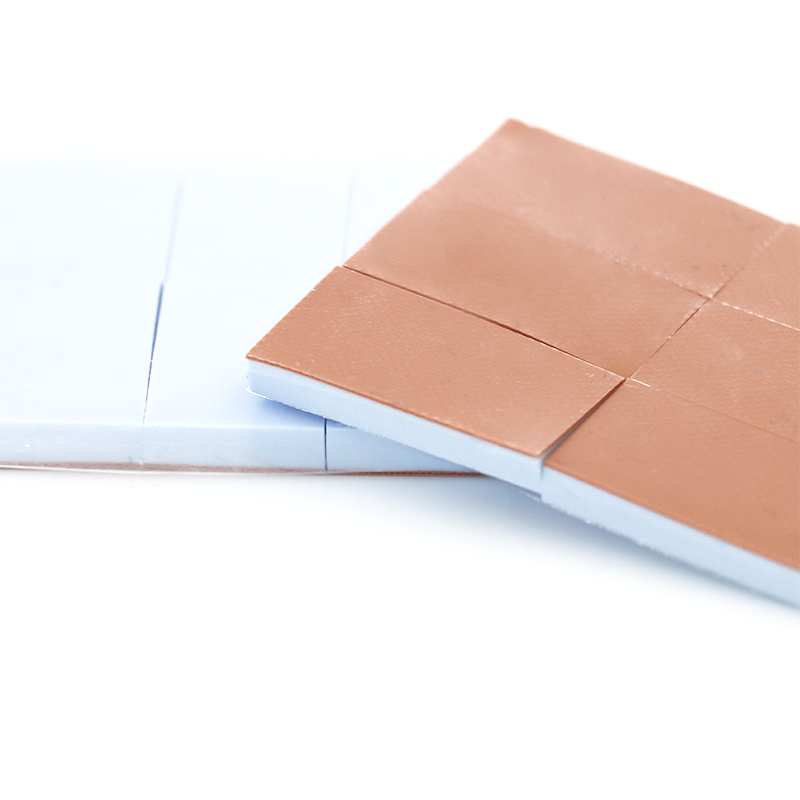
- Use 3W/mk Thermal Pad HRTP-M16-T030 Series for low–mid power modules.
- Select 5W/mk Thermal Pad HRTP-M16-T050 Series for denser control boards.
- Move to 10W/mk Thermal Pad HRTP-M16-T100 Series in high‑power drives and servers.
2. Sustainability and Low‑VOC Formulations
More buyers request low‑odor, low‑VOC silicone sheets that support cleanrooms and green claims while keeping stable mechanical and thermal behavior over time.
- Ask for VOC and outgassing test reports.
- Check recyclability of liners and packaging.
- Prefer REACH‑ and RoHS‑compliant material systems.
3. Region‑Specific Regulatory Pressures
Global importers must match silicone sheets with local flame, toxicity, and food or medical contact rules to avoid customs delays and field failures.
| Region | Key Focus |
|---|---|
| EU | REACH, RoHS, halogen‑free claims |
| US | UL94, FDA (where needed) |
| Asia | GB standards, environmental labels |
4. Demand for Custom Conversion and Fast Sampling
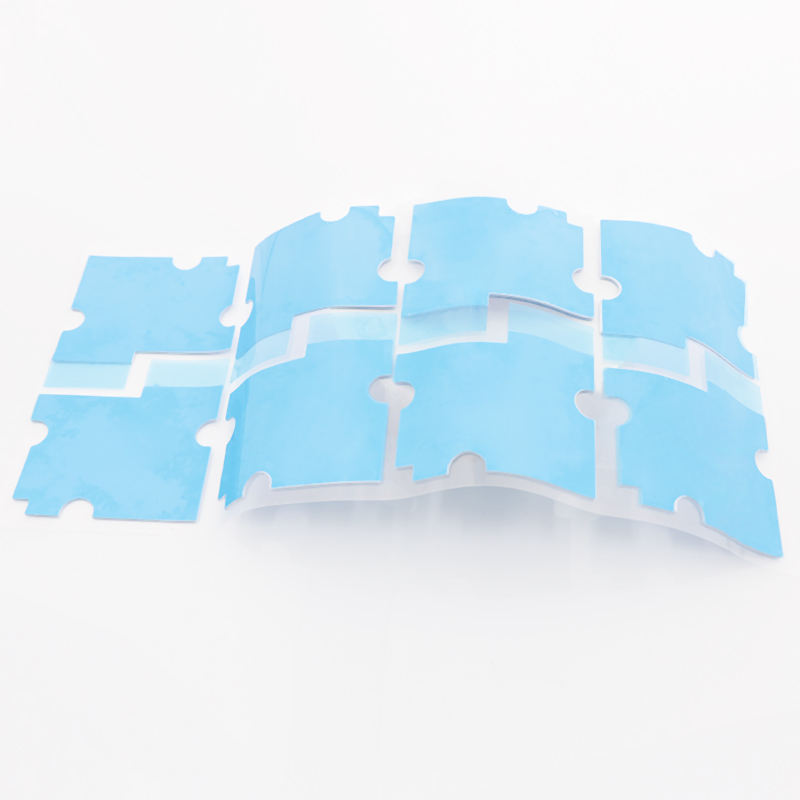
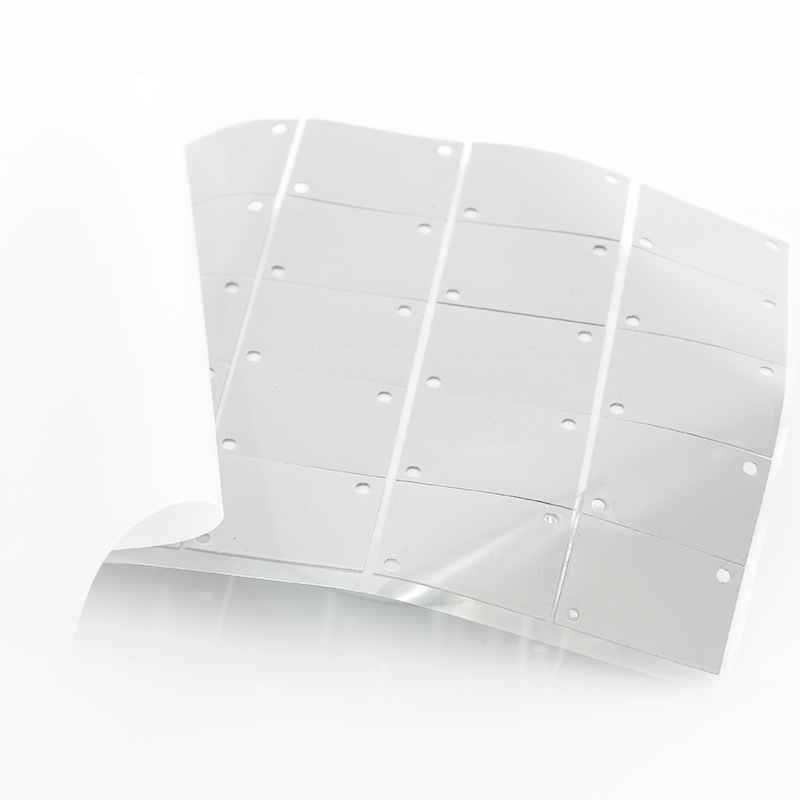
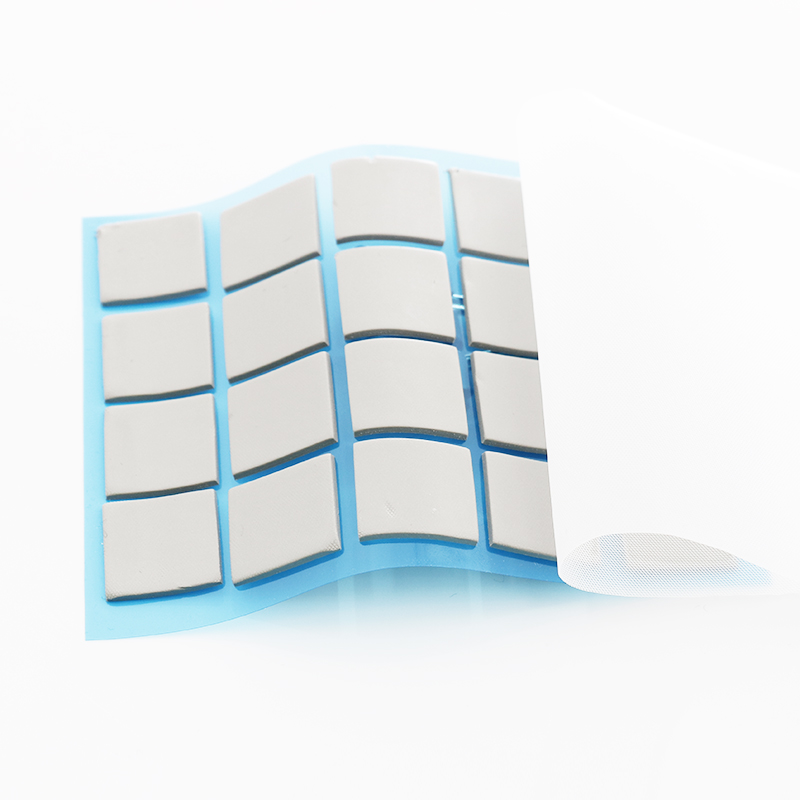
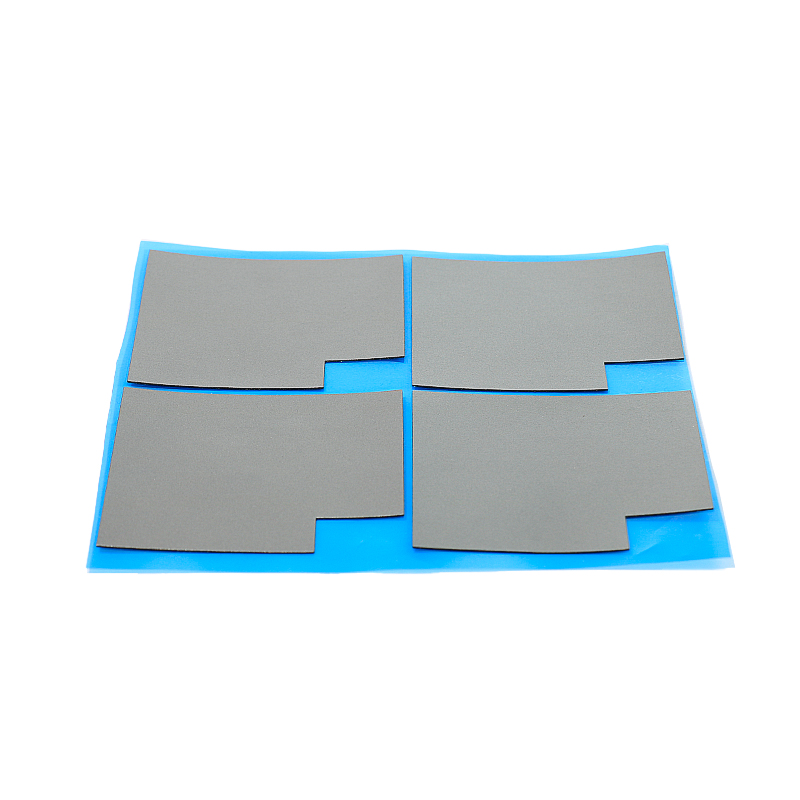
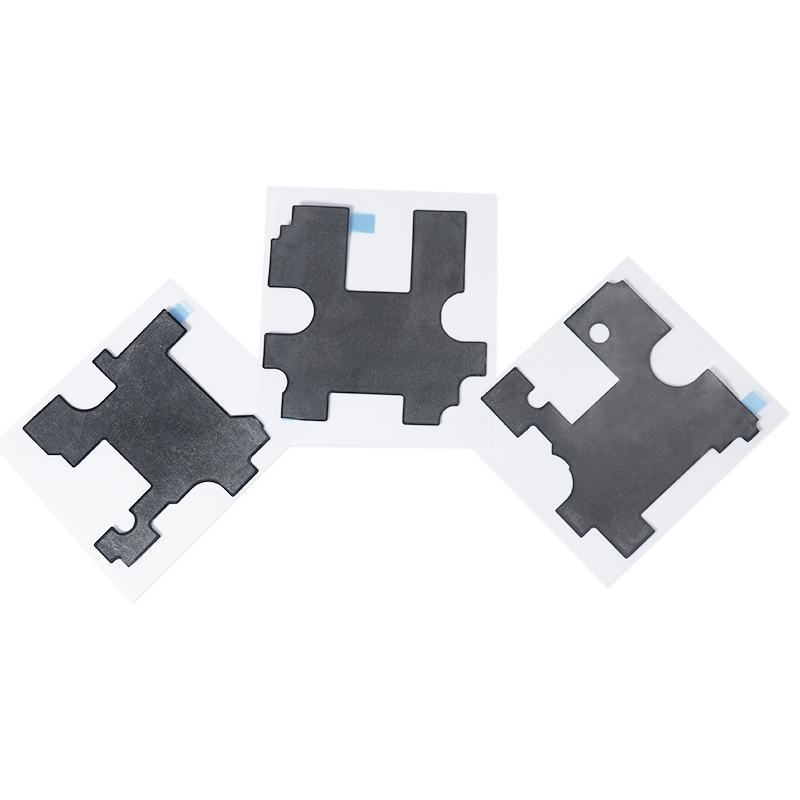
OEMs want die‑cut, kiss‑cut, and laminated silicone sheets with quick prototypes. Flexible converters help reduce assembly time and design risk.
- Pre‑applied adhesive for faster mounting.
- Custom thickness stacks for uneven gaps.
- Standardized roll widths for global plants.
🔹 Comparing Silicone Sheet Types: Solid, Foam, Sponge, and Coated Styles
Choosing the right silicone sheet type means balancing compression, sealing, insulation, and cost. Each structure handles stress, movement, and heat in different ways.
Global buyers should plan mixed use: solid for wear points, foam or sponge for gaskets, and coated styles for bonding or EMI shielding layers.
1. Solid Silicone Sheets
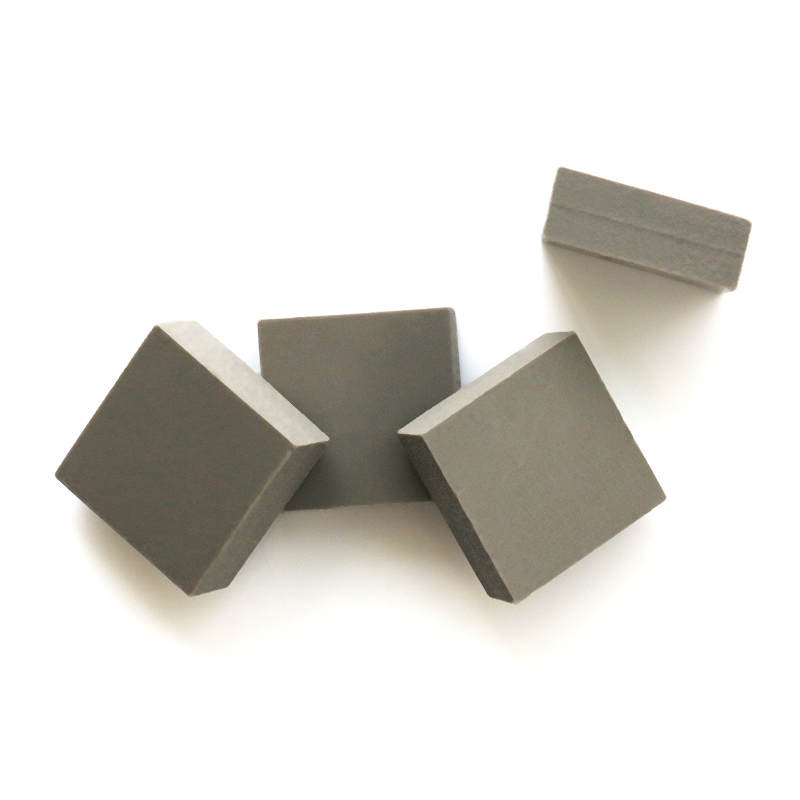
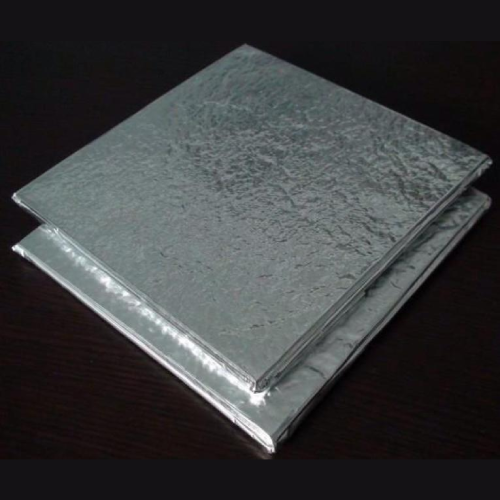
Solid sheets offer high tear strength, clean edges, and stable dimensions. They suit die‑cut parts, thermal pads, and high‑pressure seals in harsh environments.
| Property | Typical Range |
|---|---|
| Hardness | 40-80 Shore OO° |
| Temperature | -40 to +180 °C |
| Use | Thermal gaps, structural gaskets |
2. Silicone Foam Sheets
Foam silicone gives soft compression, light weight, and good rebound. It works well in enclosure seals, battery packs, and vibration control areas.
- Lower closure force on doors and panels.
- Good for IP‑rated seals with correct design.
- Useful where parts see regular opening and closing.
3. Silicone Sponge Sheets
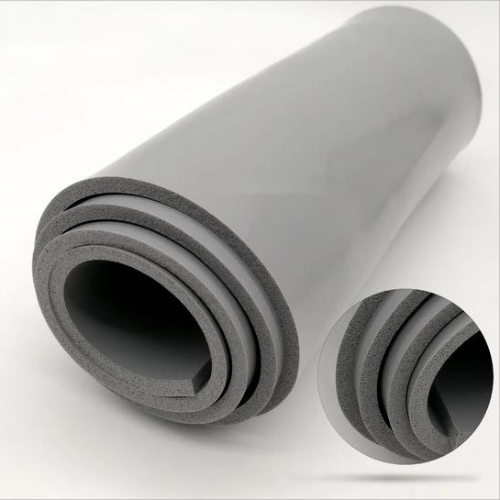
Sponge silicone has a closed‑cell structure for better water resistance and cushioning. It fits outdoor, transport, and lighting applications.
- IP gaskets for LED lights and telecom boxes.
- Seals for rail and EV body systems.
- Noise and rattle control in cabins.
4. Coated and Fabric‑Reinforced Silicone Sheets
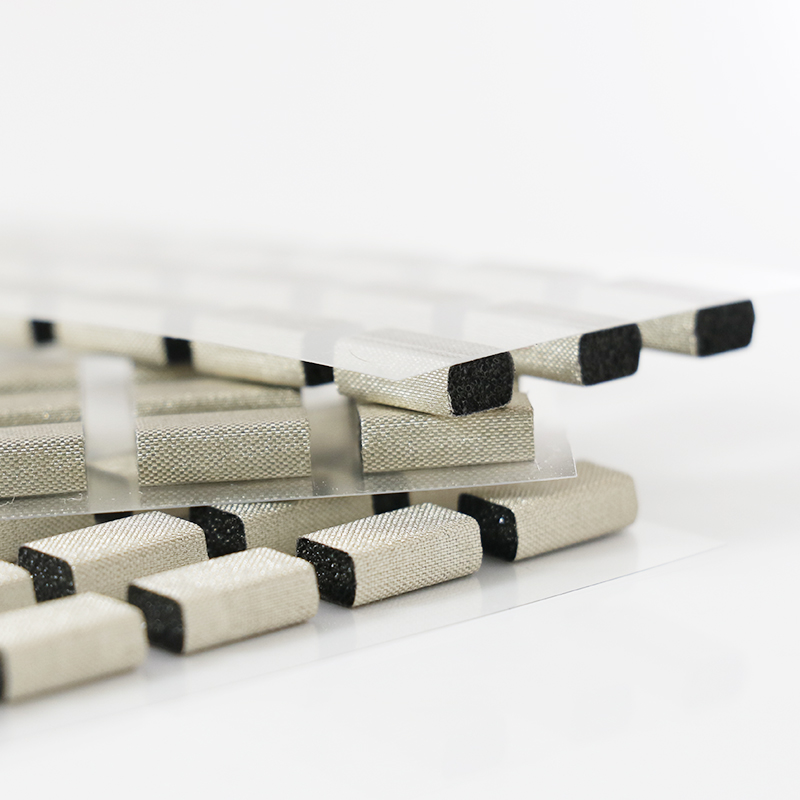
Coated or reinforced sheets add release, wear, or bonding layers to handle sliding, strong fastening, or repeated thermal cycling.
| Type | Main Benefit |
|---|---|
| Adhesive‑backed | Easy installation |
| Fabric‑reinforced | Higher tear and stability |
| PTFE‑coated | Low friction, clean release |
🔹 Critical Technical Specs: Hardness, Thickness, Tolerance, and Temperature Resistance
For 2026 sourcing, importers should lock technical specs in clear drawings. Hardness, thickness, and temperature range must match real assembly gaps and local climate.
Well‑defined tolerances and test methods cut rejection rates, speed audits, and allow smoother supplier changes across regions.
1. Hardness and Compression Behavior
Shore A hardness affects seal force, thermal contact, and handling. Softer grades fill gaps better; harder grades resist creep and mechanical abuse.
- 30–40 Shore A: soft sealing and low force.
- 50–60 Shore A: balance of seal and strength.
- 70–80 Shore A: structural, wear‑prone points.
2. Thickness and Dimensional Tolerance
Thickness defines gap fill and insulation. Tighter tolerances matter in stacked assemblies such as power modules and compact EV battery packs.
| Nominal Thickness | Typical Tolerance |
|---|---|
| 0.3–0.5 mm | ±0.05 mm |
| 0.5–1.0 mm | ±0.10 mm |
| 1.0–3.0 mm | ±0.15 mm |
3. Working Temperature and Aging
Heat, cold, and cycling age silicone. Confirm continuous and peak temperature ratings, plus compression set and color change over lifetime testing.
- Ask for long‑term oven aging data.
- Review compression set at service temperature.
- Check performance after humidity and UV tests.
🔹 Quality Control, Certifications, and Compliance Requirements for International Importers
Strong quality systems reduce field failures and import risk. In 2026, buyers should demand traceable batches and clear compliance packs for every silicone sheet grade.
Align factory audits, lab tests, and shipping records so customs and customers can quickly verify each shipment.
1. Core Quality Systems and Traceability
Ensure the manufacturer runs certified quality systems and tracks each roll or pad back to raw material lots and process settings.
| Item | Buyer Checkpoint |
|---|---|
| ISO 9001 | Valid certificate and scope |
| Batch labels | Lot, date, shift, line |
| COA | Key test values per batch |
2. Safety, Environmental, and Electrical Standards
Different uses need different test marks. Work with suppliers who can provide UL, flame, and hazard reports matching your end markets.
- UL94 V‑0 or V‑1 for electronics.
- RoHS and REACH for global shipment.
- Halogen‑free and SVHC statements if requested.
3. Documentation, Testing Frequency, and Third‑Party Labs
Agreed test plans and external lab checks help control drift over years of supply and factory expansions.
- Define incoming and periodic test lists.
- Use third‑party labs for critical approvals.
- Keep digital records for customs and audits.
🔹 Why SpringGrass Silicone Sheets Suit Long-Term, Large-Volume Global Supply Needs
SpringGrass focuses on thermal, sealing, and electrical silicone materials that support global OEMs with stable formulas, flexible customization, and reliable delivery performance.
For 2026 and beyond, this reduces qualification cycles and supports multi‑plant, multi‑region rollouts of electronics, EV, and industrial products.
1. Wide Thermal and Mechanical Portfolio
SpringGrass offers silicone pads and sheets from soft gap fillers to firm structural grades, covering 3–10 W/m·K and broad hardness options.
- Thermal pads for power and control boards.
- Sealing sheets for housings and lighting.
- Custom thickness for tricky gap stacks.
2. Global‑Ready Quality, Data, and Engineering Support
Buyers get test data, drawings, and quick engineering feedback that shorten design loops and help local plants qualify the same materials.
| Support Type | Benefit |
|---|---|
| Design advice | Better fit and lower cost |
| Documentation | Faster approvals and audits |
| Sampling | Rapid prototype validation |
3. Scalable Production and Logistics for Importers
Capacity planning, safety stock, and flexible packaging options make SpringGrass a strong partner for long‑term, high‑volume import programs.
- Rolls, sheets, or pre‑cut parts.
- Carton and pallet designs for sea and air freight.
- Stable lead times and multi‑batch reservations.
Conclusion
By 2026, successful silicone sheet sourcing will rely on clear thermal, mechanical, and regulatory targets. Importers who define these upfront avoid delays and hidden costs.
Working with a data‑driven supplier like SpringGrass helps match global standards, protect margins, and secure long‑term availability across fast‑growing electronics and industrial markets.
Frequently Asked Questions about silicone sheet
1. What is a silicone sheet used for?
Silicone sheets handle sealing, thermal management, and electrical insulation. They appear in power supplies, EV battery packs, lighting, food equipment, and industrial machinery.
2. How do I choose the right thickness?
Measure your real gap, then add compression and tolerance. Many buyers select 0.5–2.0 mm for electronics and thicker sheets for large gaskets.
3. What hardness should I specify?
Softer sheets (30–40 Shore A) fit uneven surfaces and need low force. Medium (50–60) suits most uses. Harder (70–80) works in high‑pressure zones.
4. Are silicone sheets safe at high temperature?
Most industrial silicone sheets run from about -50 to +200 °C or higher. Always check the data sheet for continuous and short peak temperature ratings.
5. What certifications should importers request?
Common needs include ISO 9001, UL94 flame rating, RoHS, and REACH. Some projects also require food‑contact, medical, or halogen‑free documents.





 Privacy settings