


.png)


.png)



Your inverter runs hotter than your coffee, fans scream like jet engines, and you’re just praying nothing melts before the warranty ends.
Use high-temperature thermal silicone pads to move heat fast and keep components safe, backed by IEA thermal management insights.
⚙️ Key Functions of High Temperature Thermal Silicone Pads in Inverters
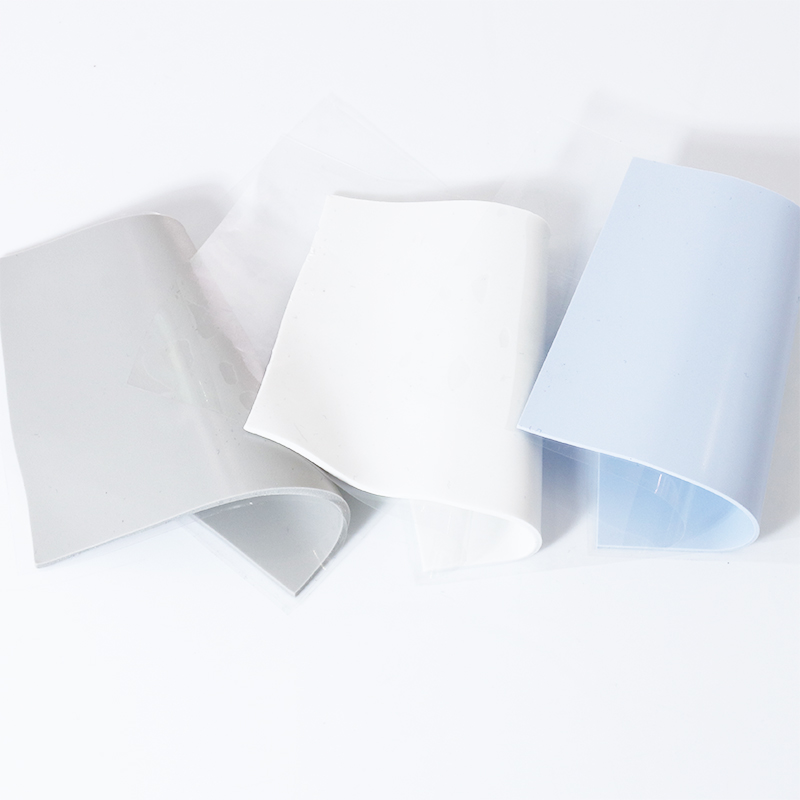
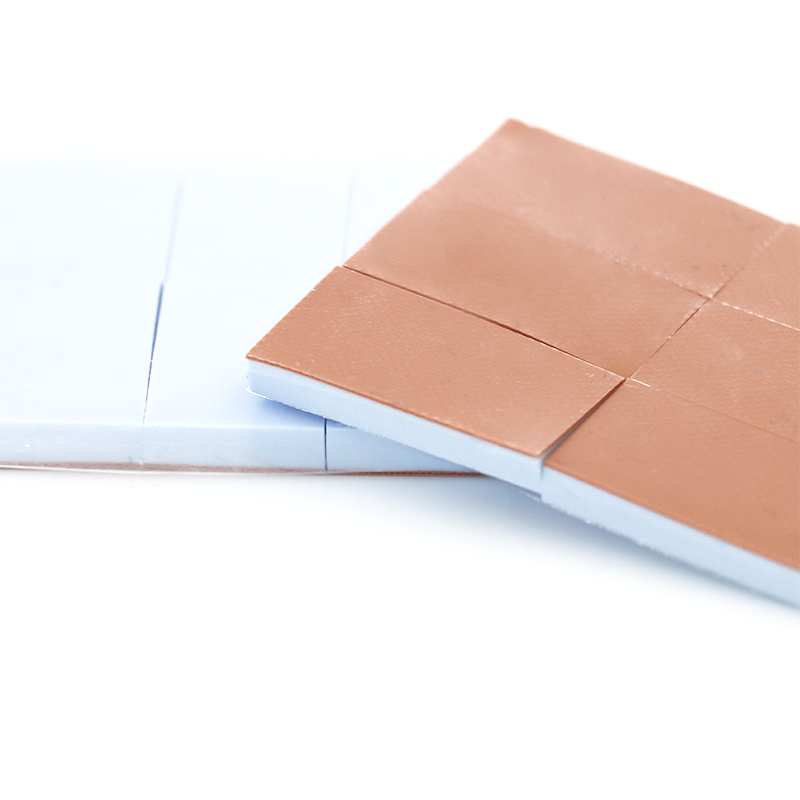
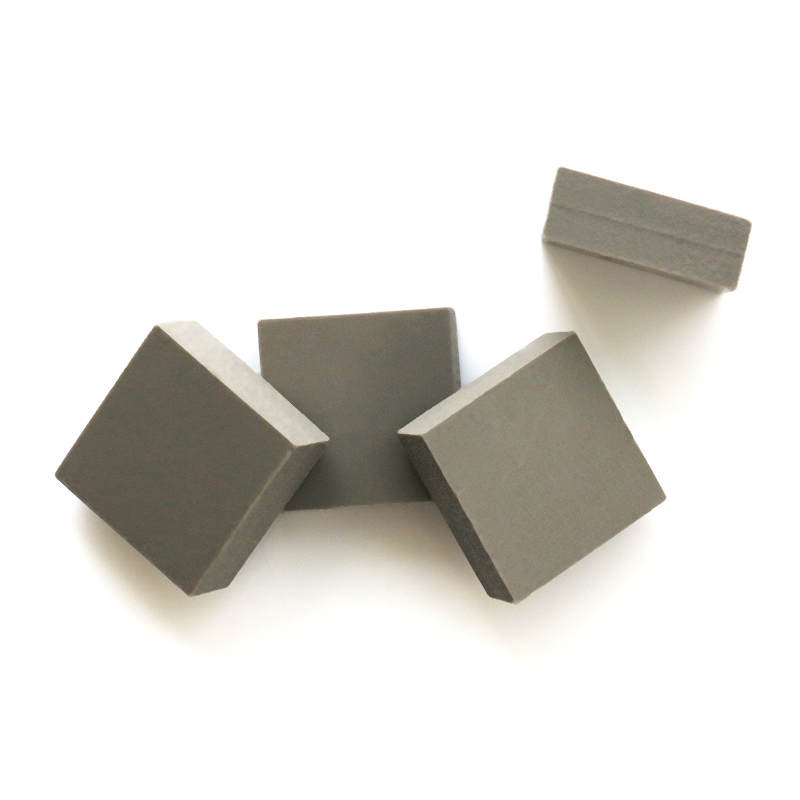
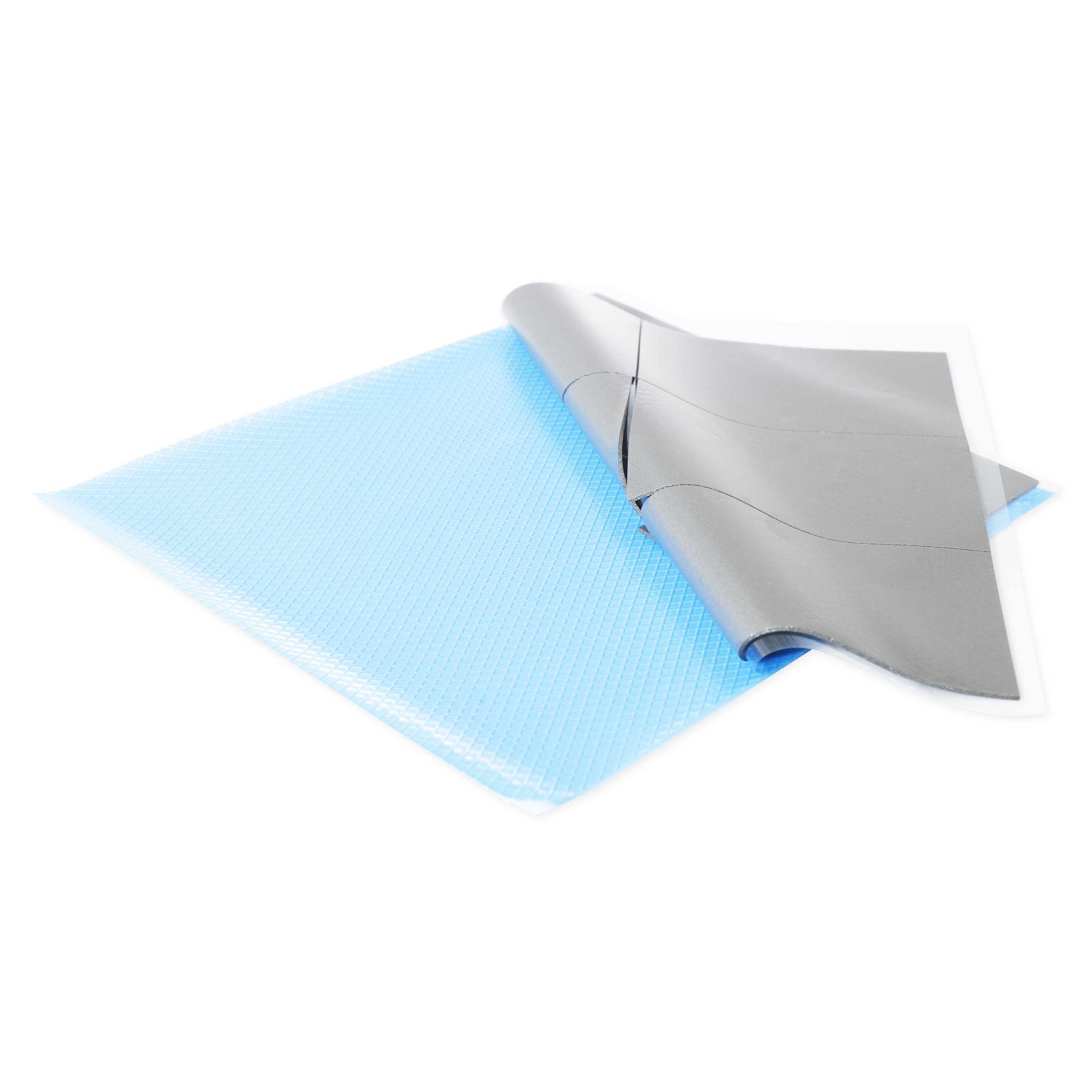
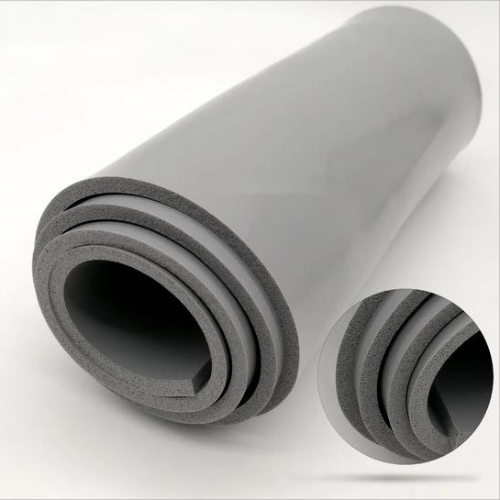
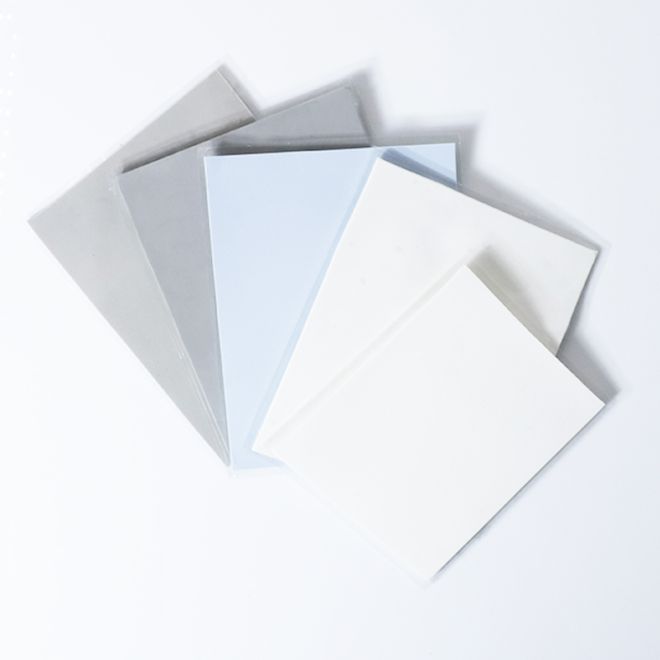
High temperature thermal silicone pads fill air gaps between power devices and heat sinks. They move heat away fast, protect parts, and keep inverter efficiency stable.
These pads also cut electrical risk, block vibration, and help modules pass strict safety and lifetime tests, even under heavy thermal cycling and harsh climates.
1. Efficient Heat Transfer from Power Devices
Thermal silicone pads reduce contact resistance between IGBTs, MOSFETs, and the heat sink. This keeps junction temperatures within design limits during peak inverter load.
- Rapid heat flow from chip to baseplate
- Stable performance at high continuous temperature
- Better power density without overheating
2. Electrical Isolation and Safety
Pads offer strong dielectric strength while staying thin and flexible. They insulate high-voltage parts and help inverters meet safety and EMC rules.
- Prevents arcing and short circuits
- Supports higher system voltage
- Improves long-term safety margin
3. Gap Filling and Mechanical Stress Relief
Soft pads conform to uneven surfaces and fill assembly gaps. This keeps contact even and lowers stress on solder joints and screws.
| Feature | Benefit |
|---|---|
| High compressibility | Better contact area |
| Surface conformity | Lower hot spots |
4. Reliability Under High Temperature Cycling
Thermal silicone pads resist pump-out, cracking, and aging. They keep stable thermal resistance during thousands of on/off and load cycles.
- Low thermal aging
- Resists oil bleeding and debris
- Supports long inverter service life
🔥 Thermal Conductivity Requirements for Silicone Pads in High-Power Inverter Modules
High-power inverters need thermal silicone pads with tuned thermal conductivity to control device temperature, manage hot spots, and support compact, high-efficiency designs.
Choosing 2–6 W/m·K pads lets engineers match power loss, mounting pressure, and system cost while still meeting strict temperature derating curves.
1. Matching Thermal Conductivity to Power Density
As power density rises, higher thermal conductivity is needed to keep case and junction temperatures within safe limits at rated output.
| Power Level | Suggested k (W/m·K) |
|---|---|
| Low–Medium | 2–3 |
| Medium–High | 3–6 |
| Very High | ≥6 |
2. Comparison of 2W, 3W, and 6W Pads in Inverters
The 2W/mk Thermal Pad HRTP-M16-T020 Series suits moderate loss modules, while higher k materials target compact and high-load systems.
3. Balancing Thermal Performance and Material Cost
Engineers often balance pad performance with budget. Using higher k pads only where needed can reduce cost while keeping safe temperatures.
- Segment high-loss and low-loss zones
- Use mid-level k for general areas
- Apply higher k pads on hot components
4. Impact on Inverter Efficiency and Lifetime
Better conductivity drops device temperature, which lowers conduction loss and extends lifetime. It also gives more margin against overload and ambient heat.
- Higher efficiency at full load
- Lower derating in hot climates
- Longer component lifetime
🧱 Thickness, Hardness, and Compression Performance of Thermal Silicone Pads
Thickness, hardness, and compression behavior define how well pads fill gaps, control pressure, and manage both thermal and mechanical stress.
Right selection keeps thermal resistance low while avoiding damage to power modules, PCBs, or fragile ceramic substrates.
1. Optimizing Pad Thickness for Gap Filling
Engineers choose pad thickness to match real assembly gaps, not just drawing values. Proper thickness avoids voids and high contact resistance.
| Gap Range | Typical Pad Thickness |
|---|---|
| 0.1–0.3 mm | 0.3–0.5 mm |
| 0.3–0.8 mm | 0.5–1.0 mm |
| 0.8–1.5 mm | 1.0–2.0 mm |
2. Shore Hardness and Assembly Pressure
Softer pads need less mounting force and protect components, while harder pads suit flat surfaces and high clamp loads.
- Low Shore: best for fragile parts
- Medium Shore: balanced choice
- High Shore: stable under strong pressure
3. Compression Set and Long-Term Stability
Low compression set keeps pad thickness and contact stable over time, even after many heat cycles and mounting stress changes.
- Prevents loss of contact area
- Maintains steady thermal resistance
- Improves long-term reliability
🌀 Enhancing Inverter Reliability with High Temperature Thermal Interface Materials
High temperature thermal interface materials protect inverters against hot spots, vibration, dust, humidity, and constant thermal cycling over many years.
They help designers reach long service life targets for solar, EV, and industrial inverters under real outdoor and factory conditions.
1. Reducing Junction Temperature Swing
Good pads lower both average temperature and temperature swing. This cuts solder fatigue and bond wire damage in power modules.
- Lower thermal resistance
- Smoother temperature curves
- Less stress on internal joints
2. Supporting Harsh Environmental Conditions
High temperature pads resist humidity, dust, and chemical spray. They stay stable in outdoor solar plants, EV chargers, and factory drives.
| Condition | Pad Requirement |
|---|---|
| High humidity | Low water absorption |
| Dusty air | Good sealing, no cracking |
| Vibration | Elastic, non-brittle |
3. Simplifying Assembly and Maintenance
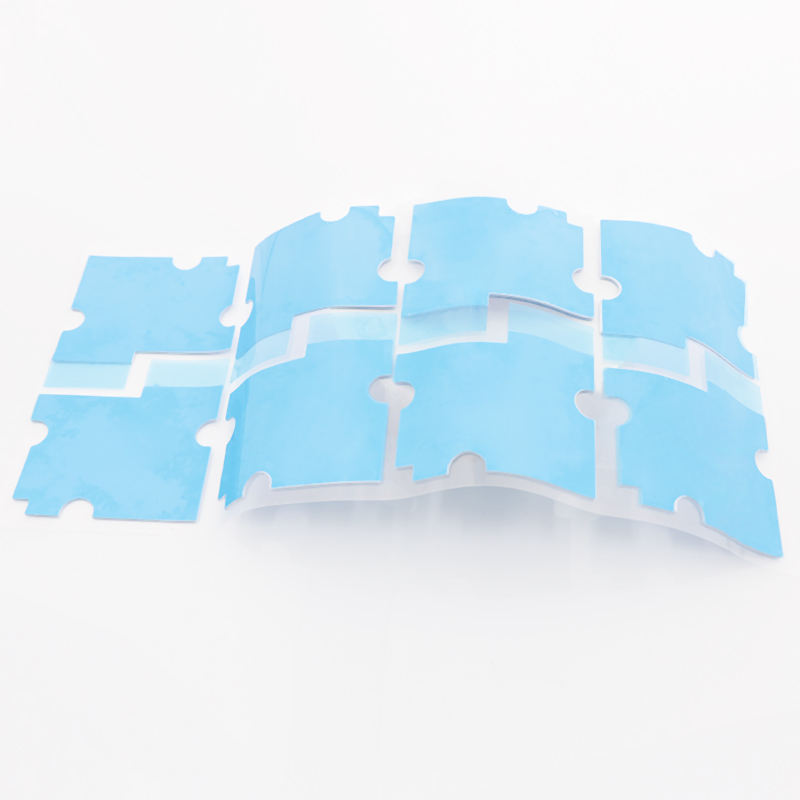
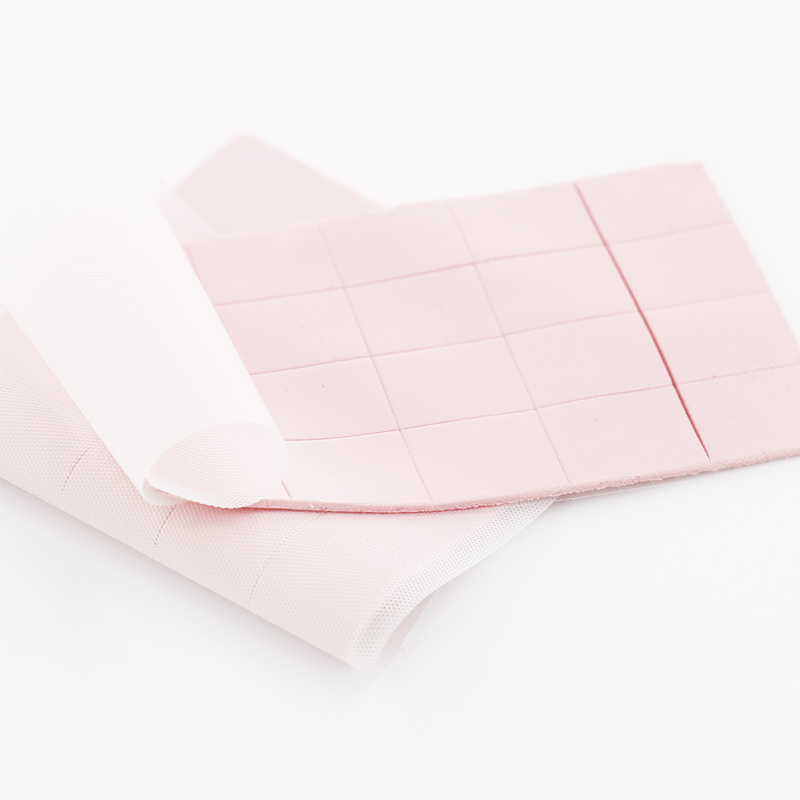
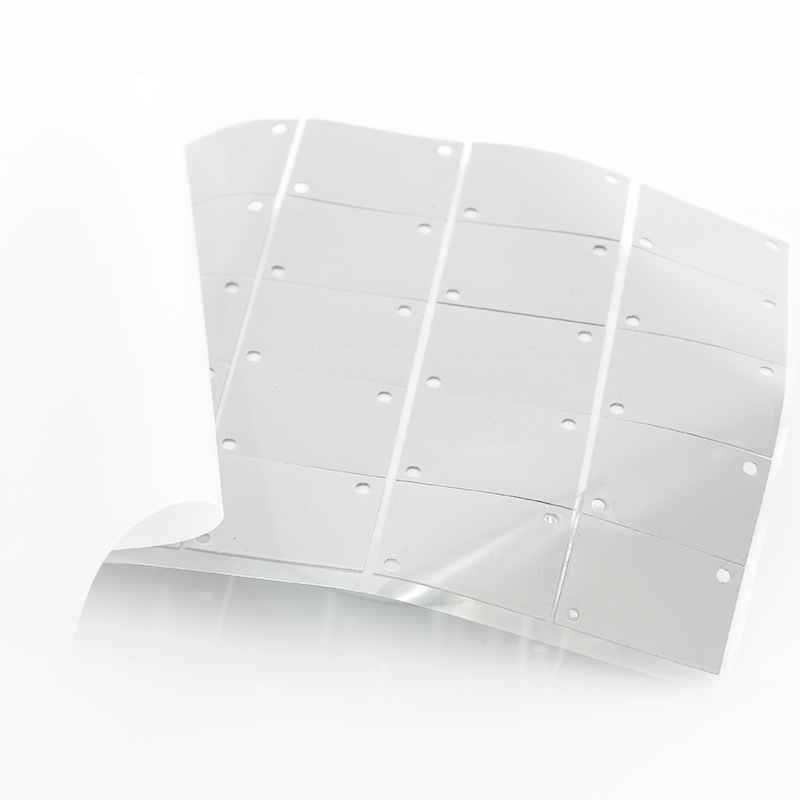
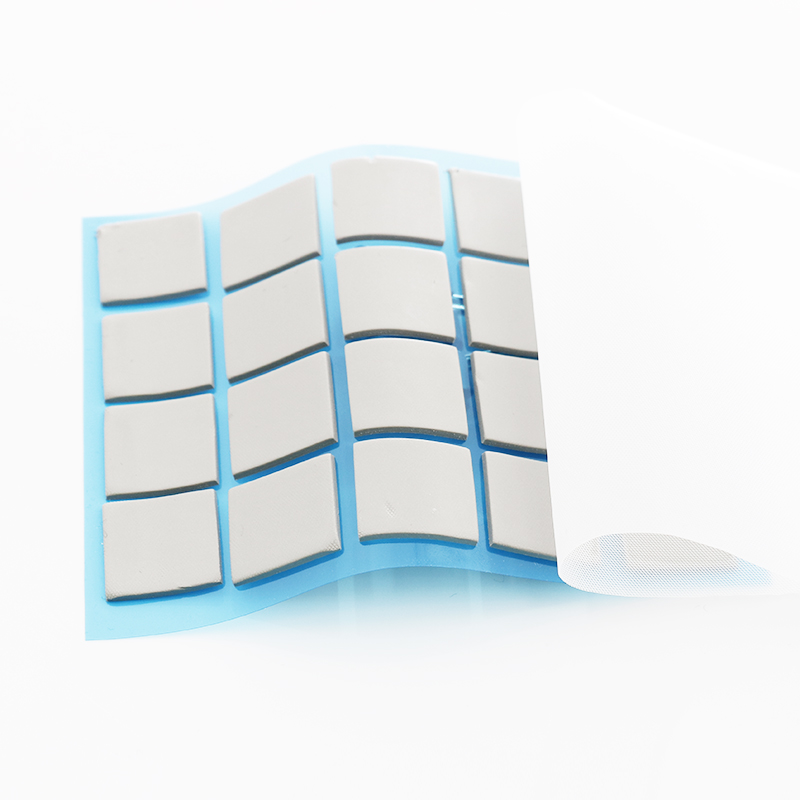
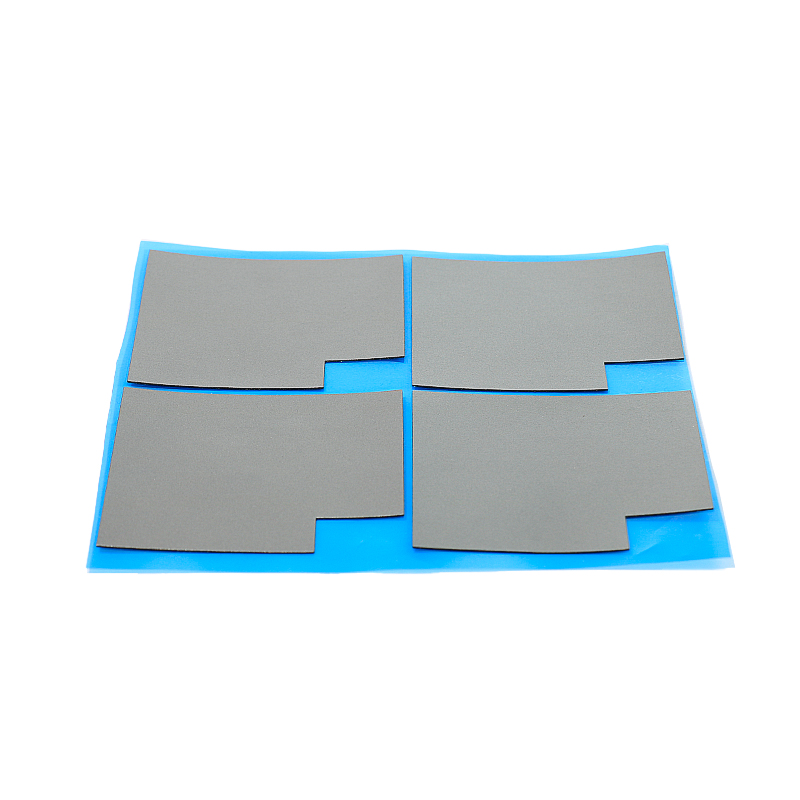
Pre-cut pads shorten assembly time, improve repeatability, and make rework cleaner compared with paste-based thermal materials.
- Easy placement, less mess
- Consistent thickness and coverage
- Faster quality checks
🏭 SpringGrass High Temperature Thermal Silicone Pad Solutions for Industrial Inverters
SpringGrass offers thermal silicone pad solutions with tuned thermal conductivity, softness, and thickness for many inverter power levels and layouts.
These series help OEMs improve heat control, safety, and lifecycle, while meeting tight design and cost limits.
1. 3W/m·K Pads for Balanced Performance
The 3W/mk Thermal Pad HRTP-M16-T030 Series fits mid-to-high power inverters needing solid heat transfer with soft, conformable material.
- Good balance of k and softness
- Ideal for power stages and DC-link areas
- Supports compact heat sink designs
2. 6W/m·K Pads for High Power Density Designs
The 6W/mk Thermal Pad HRTP-M16-T060 Series targets high power density inverters, EV chargers, and industrial drives.
| Feature | Benefit |
|---|---|
| High k | Stronger hot spot control |
| High temp stability | Reliable at heavy load |
3. Customization for Different Inverter Topologies
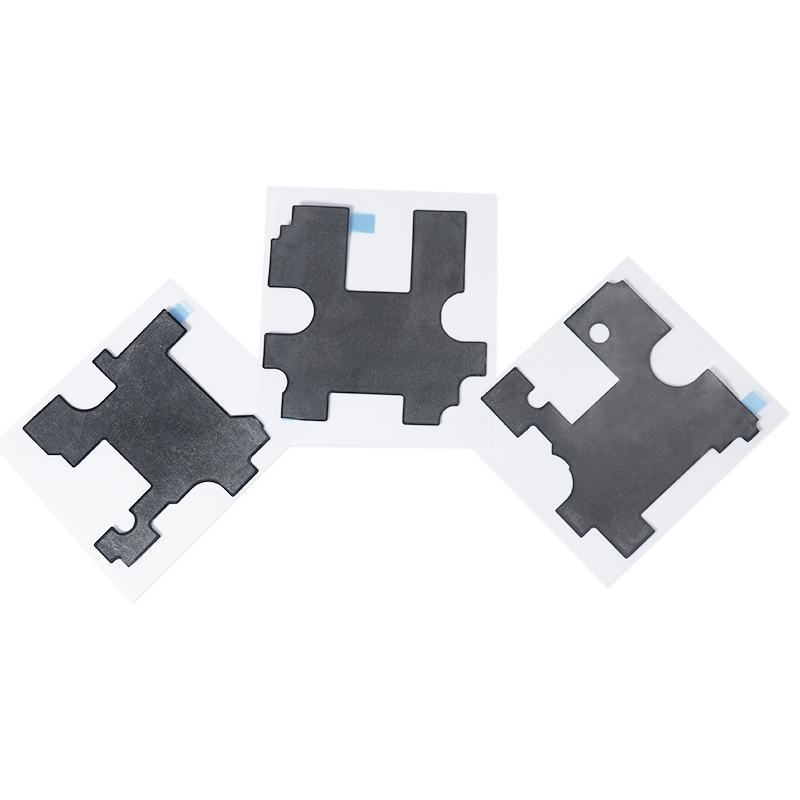
SpringGrass supports custom shapes, thicknesses, and hardness levels to match different inverter module formats and cooling layouts.
- Custom die-cut shapes for fast assembly
- Thickness options for varied gaps
- Material selection based on test data
Conclusion
High temperature thermal silicone pads are key to safe and efficient inverter design. They move heat, protect parts, and raise reliability under real working conditions.
By choosing the right thermal conductivity, thickness, and hardness, and by using proven solutions like the SpringGrass series, engineers can support higher power, smaller size, and longer service life.
Frequently Asked Questions about thermal silicone pad
1. How do I choose the right thermal silicone pad for my inverter?
Start from device power loss and target junction temperature. Then choose proper thermal conductivity, thickness for real gaps, and hardness that your assembly pressure can support.
2. Can thermal silicone pads replace thermal grease?
Yes, in many inverter designs. Pads give cleaner, more repeatable assembly and stable performance, with slightly higher but more consistent thermal resistance than grease.
3. Do high thermal conductivity pads always perform better?
Not always. If surfaces are uneven or pressure is low, a softer medium-k pad can outperform a stiff high-k pad because it creates better real contact area.
4. How long can thermal silicone pads last in outdoor inverters?
Quality pads are designed to match or exceed inverter lifetime, often 10–20 years. Proper material selection and correct mounting are key to reaching that life.





 Privacy settings