


.png)


.png)



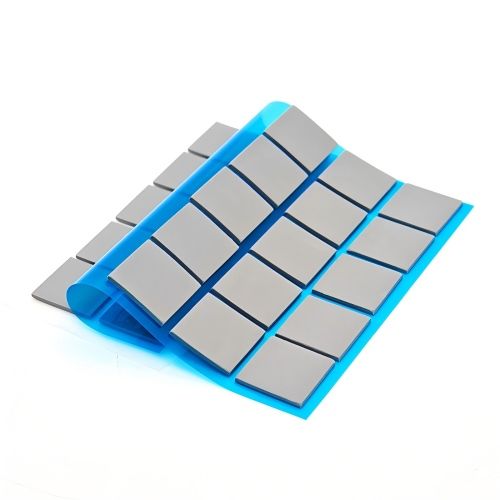
Your gadgets run so hot they could flip pancakes, and sticky silicone pads leave greasy surprises on every surface—like your PC turned into a fast-food grill instead of a cool, quiet machine.
Switch to silicone‑free thermal pads for cleaner, stable heat transfer, as supported by IEA electronic thermal management analysis, and keep your devices cool without the mess or smell.
⚙️ Basic Working Principle of Silicone Free Thermal Pads in Electronics
Silicone free thermal pads fill tiny air gaps between hot components and heat spreaders. They create a stable, clean thermal bridge that lowers interface resistance.
By using soft, compressible fillers and non‑silicone binders, they conform to uneven surfaces and move heat away, helping circuits run cooler and more reliable.
1. Gap Filling and Surface Conformability
These pads compress under mounting pressure, flowing into micro‑gaps on PCB and heat sink surfaces to replace insulating air with conductive material.
- Adapts to warped or rough surfaces
- Maintains uniform contact pressure
- Reduces hot spots on power devices
2. Controlled Thermal Conductivity
Engineers select specific conductivity grades to match power density and cost targets while keeping component temperatures within safe design limits.
| Grade | k Value (W/m·K) | Typical Use |
|---|---|---|
| Low | ≈1.0 | Light‑load ICs |
| Medium | ≈2.0 | Power modules |
| High | ≥3.0 | High‑heat GPUs, CPUs |
3. Electrical Isolation with Thermal Path
Silicone free pads provide dielectric strength while still letting heat pass, protecting circuits from shorts between live components and grounded heat sinks.
- Dielectric breakdown resistance
- Safe creepage and clearance
- Thin profiles for compact designs
4. Clean, Low‑Outgassing Interface
Without silicone oils, these pads help avoid pump‑out, migration, and display contamination problems, especially in optical and automotive interiors.
- No silicone fogging on lenses
- Reduced VOC and outgassing
- Stable in sealed housings
🌡️ Heat Transfer Path: From Component Surface to Heat Sink
Heat flows from the chip through the silicone free thermal pad, into the heat spreader or sink, and finally into ambient air by convection.
By lowering interface resistance, the pad shortens the thermal path, so designers can use smaller heat sinks or higher power density safely.
1. Junction to Case Interface
The first step is moving heat from the semiconductor junction to its package case, where good mounting and pad selection strongly affect junction temperature.
2. Case to Pad Contact Area
The pad must fully wet the case surface to avoid trapped air. Correct thickness and moderate pressure give the best thermal performance.
3. Pad to Heat Sink Coupling
On the sink side, the pad evens out machining marks and non‑flatness, increasing real contact area and lowering contact resistance.
- Improved sink utilization
- Lower interface ΔT
- Better long‑term clamping stability
4. System‑Level Thermal Balance
With a better interface, engineers can tune fan speed, sink size, and enclosure design to balance silence, size, and thermal safety margins.
| Design Lever | Effect When Interface Improves |
|---|---|
| Fan speed | Can be reduced |
| Sink size | Can be smaller |
| Power budget | May be increased |
🧪 Material Composition Differences Between Silicone and Silicone Free Thermal Pads
Silicone pads use silicone oils and elastomers, while silicone free pads rely on alternative polymer binders with low migration and low outgassing behavior.
Both use thermally conductive fillers, but their binder chemistry and contamination profile differ greatly.
1. Binder Chemistry Comparison
Traditional pads use PDMS‑based silicone; silicone free designs use urethane, acrylic, or other engineered polymers to avoid silicone contamination.
| Type | Binder | Key Trait |
|---|---|---|
| Silicone | Siloxane (PDMS) | Very flexible, higher outgassing |
| Silicone‑Free | Urethane / Acrylic | Low fogging, clean optics |
2. Filler Types and Loading
Both pad families use ceramic or mineral fillers like alumina, boron nitride, or aluminum nitride to achieve target thermal performance levels.
- Ceramic powders for electrical isolation
- High loading for higher k values
- Balanced with softness and compressibility
3. Outgassing and Migration Behavior
Silicone free pads greatly cut siloxane fogging on lenses, sensors, and displays, supporting strict automotive and industrial cleanliness standards.
- Reduced residue on housings
- Better sensor stability
- Improved long‑term cosmetic quality
🧊 Key Performance Benefits: Stability, Reliability, and Long-Term Thermal Conductivity
Silicone free thermal pads offer strong thermal performance, low contamination, and stable behavior under vibration, temperature cycles, and long operating life.
This helps electronic systems meet strict reliability and warranty requirements.
1. Long-Term Thermal Stability
Non‑silicone binders resist pump‑out and keep contact area stable, so thermal resistance stays low over thousands of hours of operation.
| Condition | Silicone Pad | Silicone‑Free Pad |
|---|---|---|
| High‑temp aging | Oil bleed risk | Minimal bleed |
| Vibration | Possible pump‑out | Better retention |
2. Reliability Under Thermal Cycling
Repeated power on/off cycles cause expansion and contraction. Soft silicone free pads absorb stress and keep surfaces coupled.
- Less mechanical stress on solder joints
- Stable contact over cycles
- Improved field reliability rates
3. Consistent Electrical Insulation
These pads maintain dielectric strength and creepage paths over time, even in humid or polluted environments, supporting safety compliance.
- Protection against arcing
- Support for regulatory tests
- Stable insulation resistance
🏭 Typical Application Scenarios and Why Engineers Prefer SpringGrass Solutions
Engineers choose silicone free pads where clean optics, tight reliability targets, and compact thermal design all matter at the same time.
SpringGrass solutions fit these needs with proven materials and consistent manufacturing.
1. Automotive Electronics and Displays
Instrument clusters, HUDs, ADAS cameras, and infotainment systems must stay clear of fogging and residue while running cool in hot cabins.
- No screen hazing from siloxanes
- Stable in wide temperature ranges
- Meets strict OEM cleanliness rules
2. Industrial Control, Power, and Telecom
Drives, base stations, and power supplies run for long periods in harsh environments, so they need clean, stable thermal interfaces.
| Sector | Key Need | Role of Pad |
|---|---|---|
| Telecom | 24/7 uptime | Lower device temps |
| Factory | Vibration resistance | Secure interface |
3. Why SpringGrass HRTP-M16 Series Stands Out
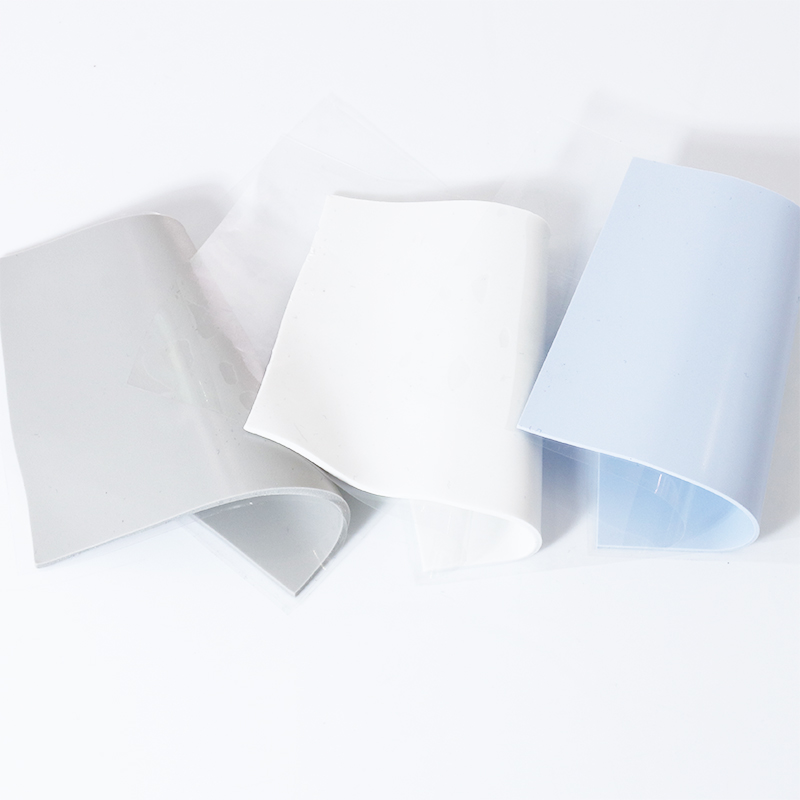
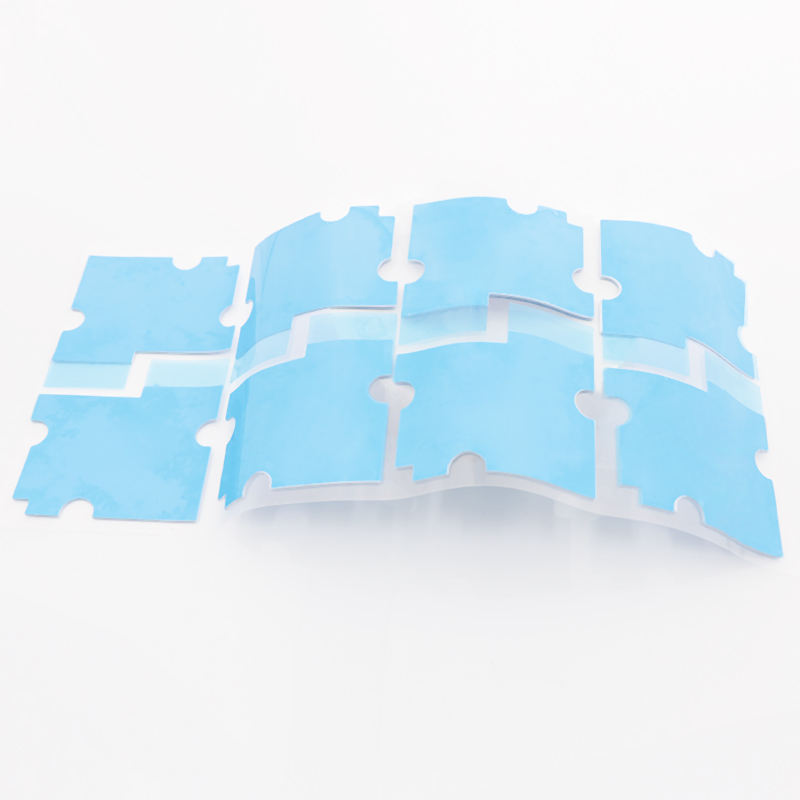
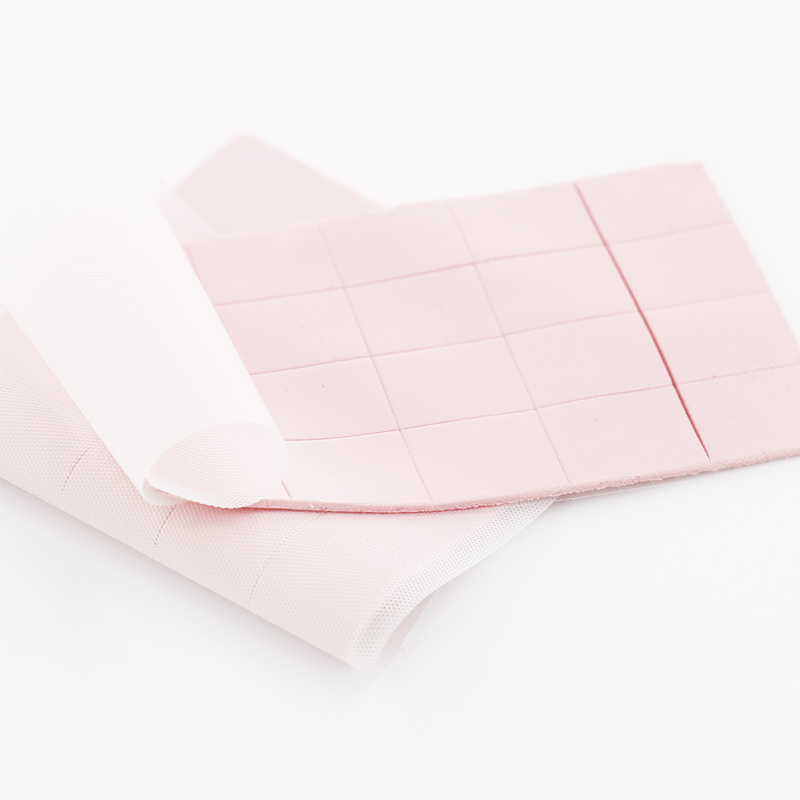
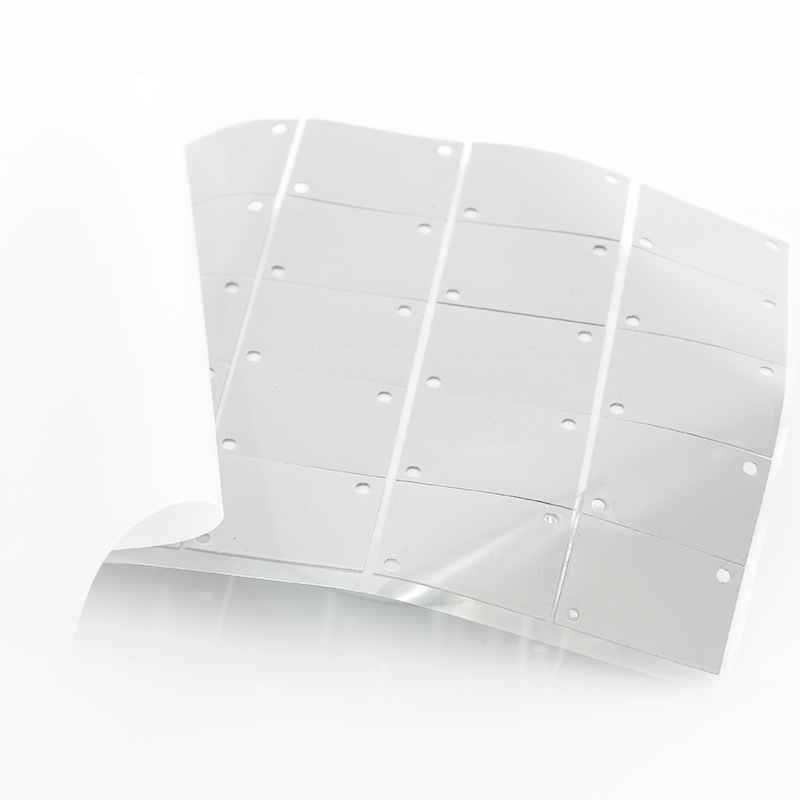
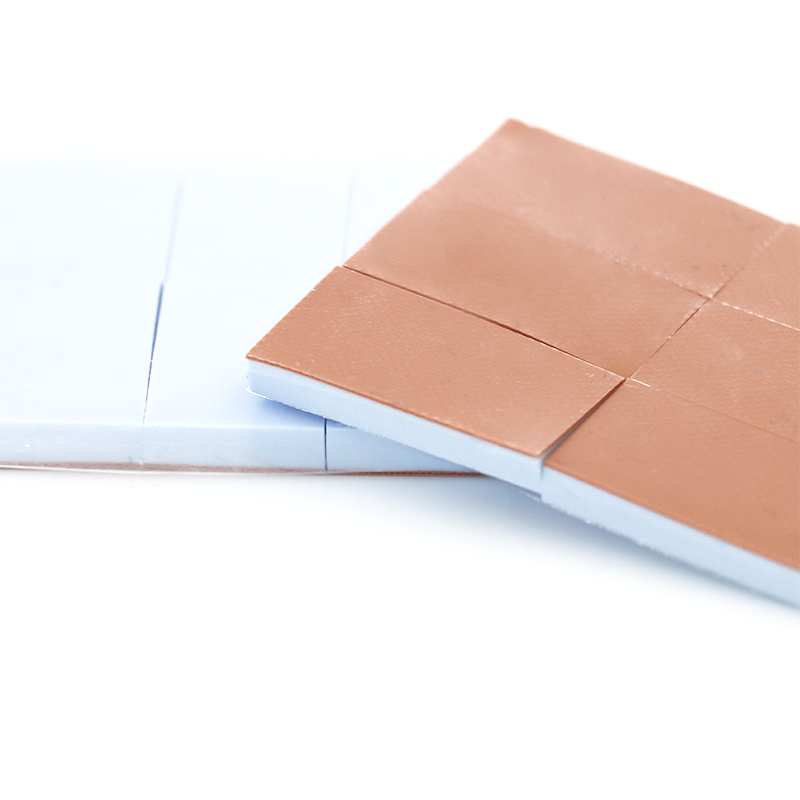
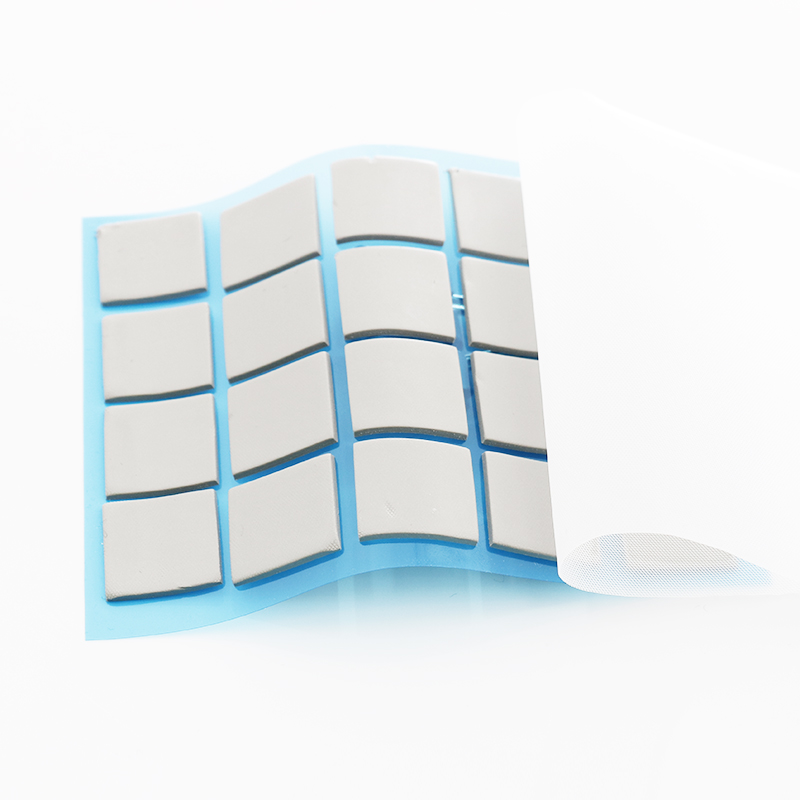
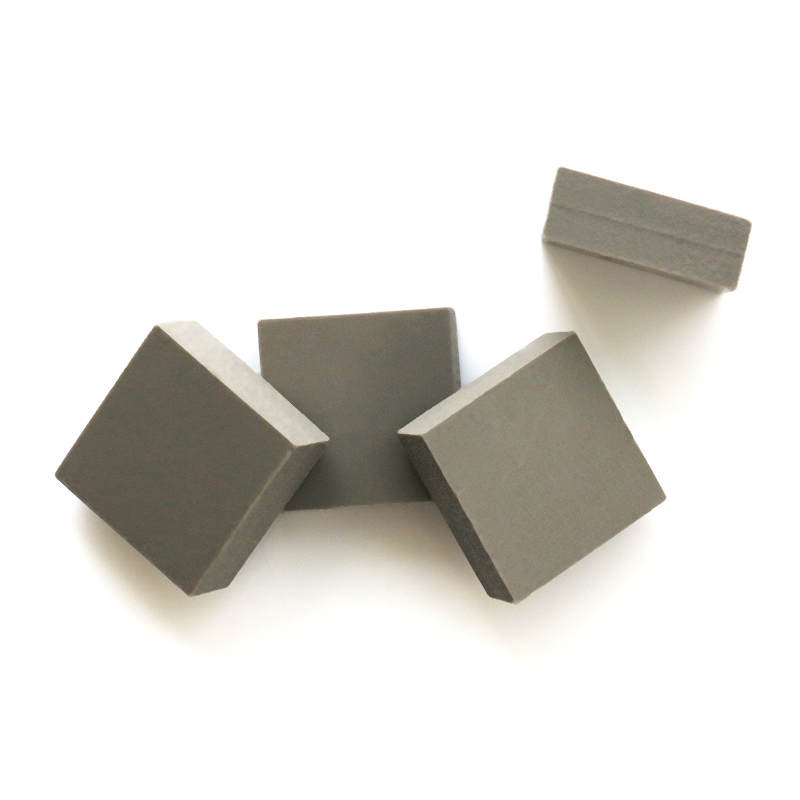
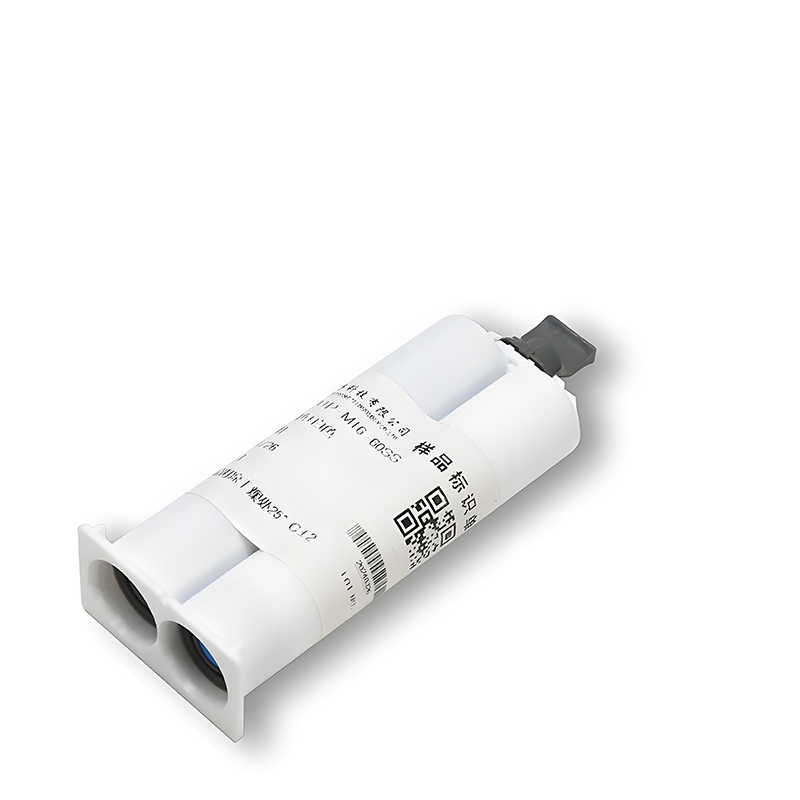
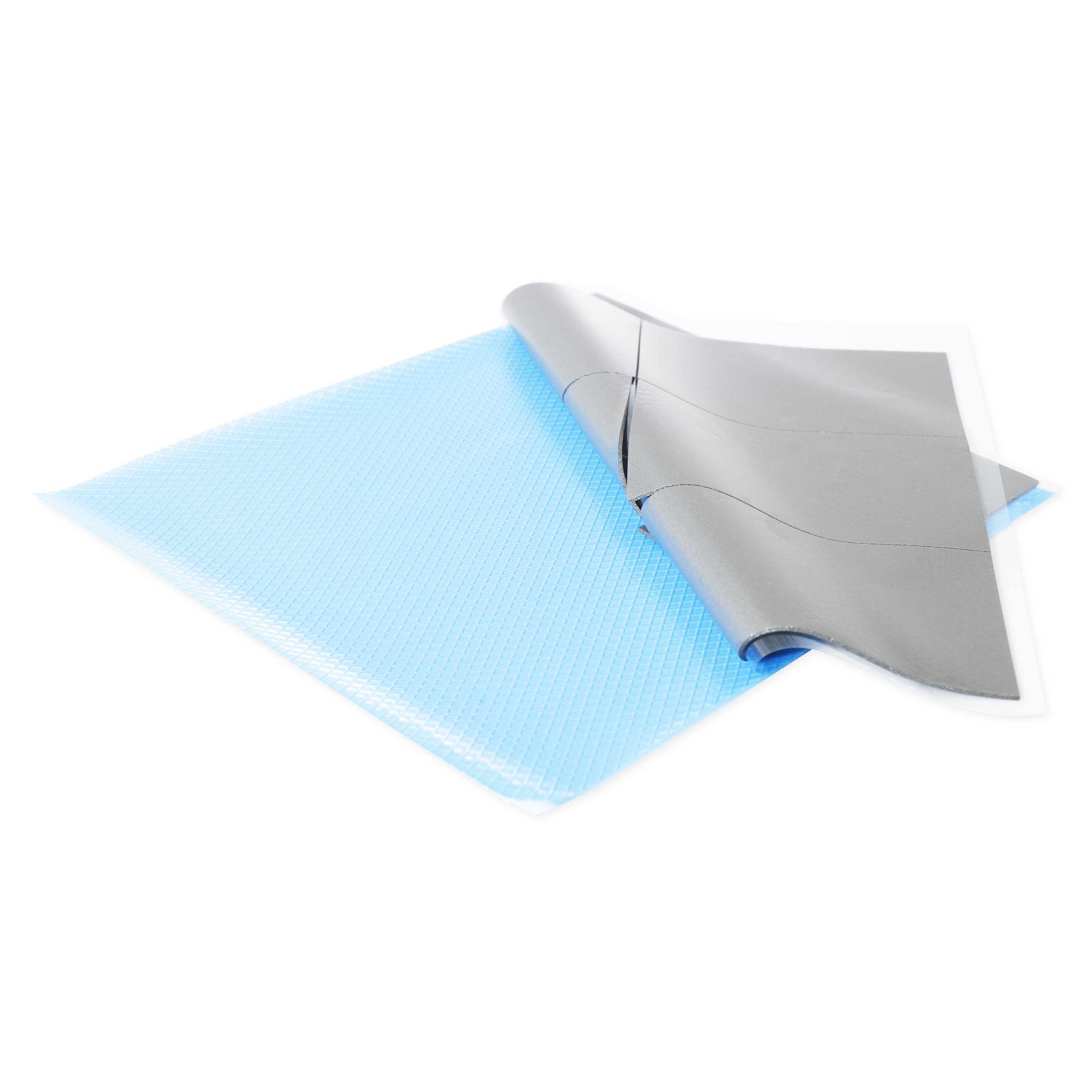
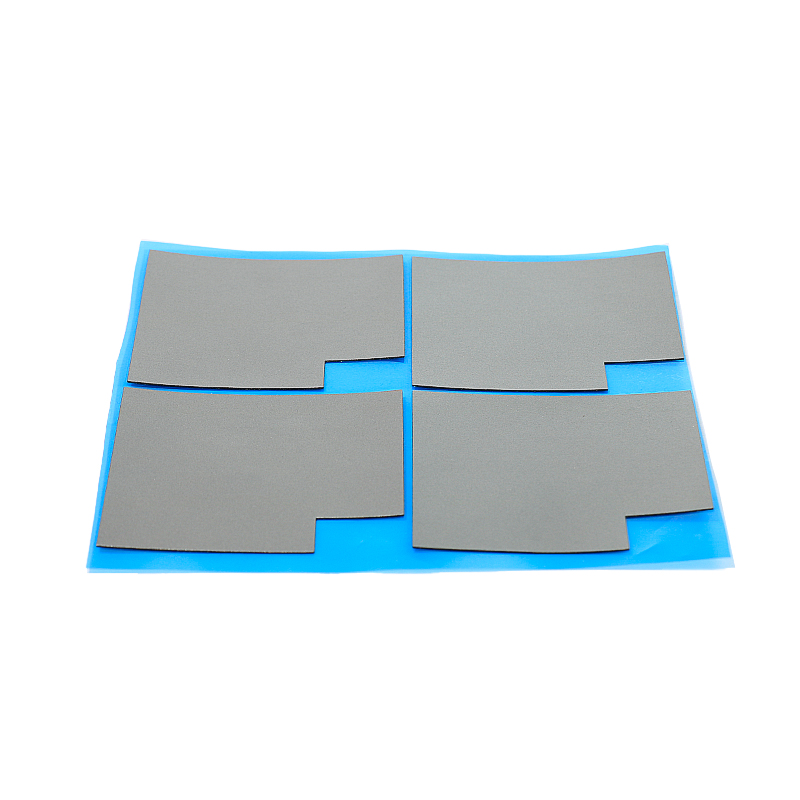
SpringGrass offers the 1/2/3W/mk Silicon-Free Thermal Pad HRTP-M16-NxxxNN Series with multiple conductivity levels and thicknesses, giving designers flexible, low‑silicone risk solutions.
- 1–3 W/m·K options
- Controlled hardness and compressibility
- Stable, low‑outgassing formulation
Conclusion
Silicone free thermal pads give engineers a clean, reliable way to move heat from components to heat sinks and housings. They lower interface resistance while avoiding silicone contamination issues.
By choosing optimized materials and proper pad design, teams can build cooler, longer‑lasting automotive, industrial, and telecom systems with tighter thermal margins and cleaner optics.
Frequently Asked Questions about silicone free thermal pad
1. When should I choose a silicone free thermal pad instead of a silicone pad?
Use silicone free pads when you need low outgassing and no siloxane fogging, especially near lenses, displays, cameras, or in sealed automotive and industrial systems.
2. Do silicone free pads offer the same thermal performance as silicone pads?
Yes, modern silicone free pads can match or exceed silicone pads at similar thickness and filler loading, especially in the 1–3 W/m·K conductivity range.
3. Are silicone free thermal pads harder to assemble?
No, they usually handle like standard pads. They are soft, compressible, and support manual or automated placement with standard clamping or screw‑based assemblies.
4. Can silicone free pads replace thermal grease?
In many designs, yes. Pads provide cleaner assembly, easier rework, and more consistent thickness, while still keeping low interface resistance when properly selected.
5. How do I select the right thickness and k value?
Match pad thickness to your mechanical gap, then choose the lowest k value that keeps components within their target temperature under worst‑case power and ambient conditions.





 Privacy settings