


.png)


.png)



Your CPU runs hotter than your coffee, fans scream like jet engines, and you wonder if your thermal paste expired back in the dinosaur age—meanwhile you just want smooth gaming or stable servers without surprise shutdowns.
In this 2026 CPU thermal gel guide, you’ll learn which pastes actually cool well, spread easily, and last longer, backed by real lab tests like Tom’s Hardware thermal paste benchmarks, so you can apply once and relax.
🧊 Why CPU thermal gel still matters for 2026 high-density builds
In 2026, higher core counts and dense data center racks push CPUs harder than ever. Quality thermal gel keeps temperatures safe, clocks stable, and systems quieter.
Good paste fills tiny gaps between the CPU and cooler base. This lowers thermal resistance, improves boost behavior, and protects long‑term reliability in 24/7 workloads.
1. Heat density in modern desktop and server CPUs
New CPUs pack more cores into smaller dies. This creates hot spots that basic thermal paste cannot handle well during long rendering, AI, or virtualization jobs.
- Higher TDP and short boost spikes
- Smaller chiplets with sharp hot zones
- Need for stable temps under bursts and 24/7 loads
2. Why premium thermal gel beats cheap paste
Premium gels use stable silicone bases and ceramic or metal fillers. They resist pump‑out, do not dry quickly, and keep performance consistent over years.
- Better long‑term thickness stability
- Less performance loss from thermal cycling
- Lower risk of rework in large deployments
3. Picking the right thermal conductive class for your build
For most builds, 3–4.5 W/mK gels balance cost and performance. High‑density servers and heavy overclocking often benefit from the 4.5 W/mK tier.
| Use Case | Recommended Class |
|---|---|
| Office / light gaming | 1~3 W/mK |
| Workstations / mid servers | 3–4.5 W/mK |
| Dense racks / OC | 4.5 W/mK+ |
4. One‑part vs two‑part gels in 2026 workflows
One‑part gels suit fast assembly lines and DIY users. Two‑part systems help OEMs tune viscosity and cure profiles for strict thermal design goals.
- One‑part: cartridge use, no mixing, simple storage
- Two‑part: adjustable mixing ratio, tighter process control
🛠 Correct thermal gel application methods for desktops, workstations, and servers
Proper application is as critical as gel quality. Too little paste creates hot spots; too much increases thickness and hurts heat transfer.
Method also changes with cooler type, CPU size, and mounting pressure. Follow your cooler vendor’s pattern where possible.
1. Application patterns by socket size
Use a pea or small X for mainstream desktop CPUs, and a line or grid pattern for large workstation and server lids to cover the full area.
| Platform | Suggested Pattern |
|---|---|
| LGA1700 / AM5 | Pea or small X |
| TR4 / sTRX4 | Three lines |
| Server (LGA4677 etc.) | Grid or multi‑line |
2. Pressure, spread, and typical temperature deltas
Even mounting pressure spreads gel to a thin, uniform layer. Uneven screws often cause 3–7°C higher core temps on busy threads.
🌡 Comparing thermal gel types and performance for overclocking and 24/7 loads
Different gel chemistries react differently to high voltage bursts and constant server loads. Matching type to duty cycle prevents early failures.
1. Standard pastes vs high‑conductivity gels
Standard pastes handle stock clocks but may pump out over time. High‑conductivity gels hold their shape better under repeated thermal cycling.
- Standard: fine for light office PCs
- Performance gels: better for high‑power CPUs
2. Overclocking focus: transient spikes and VRM heat
Overclocked systems see sharp temperature spikes. Stable gels with 4.5 W/mK class conductance help keep boost steady and fan noise controlled.
| Profile | Need |
|---|---|
| Daily OC | 3–4.5 W/mK gel |
| Heavy benching | Top‑tier, easy re‑apply |
3. 24/7 servers: focus on aging and pump‑out
Rack servers cycle between idle and load many times per day. Gels that resist pump‑out keep uptime high and reduce maintenance windows.
- Look for proven long‑term stability
- Prefer gels rated for wide temperature swings
🏗 Matching thermal gel to cooler, mounting pressure, and case airflow
Thermal gel works as part of a system. Cooler design, mounting hardware, and airflow all change the best choice for your build.
Balance gel performance with fan curves and case layout to hit safe temperatures without extra noise.
1. Air coolers vs AIOs vs custom loops
Large air coolers and AIOs benefit from mid to high‑grade gels. Custom loops with strong cold plates often show clear gains from 4.5 W/m·K gels.
- Low‑end air: value gels
- Tower / AIO: 3–4.5 W/mK
- Custom loop: best available gel
2. Mounting pressure and surface flatness
Rough or slightly warped bases need thicker, compliant gels. Flat lapped bases pair best with thinner, more conductive compounds.
| Surface | Gel Trait |
|---|---|
| Rough / uneven | Higher flow, more gap fill |
| Very flat | Thinner, higher thermal conductive |
3. Poor airflow cases and edge racks
When airflow is weak, every degree matters. Higher‑grade gel can help offset bad intake paths and dense cable runs in racks.
- Optimize cable routing
- Use stronger exhaust fans
- Pair with high‑conductivity gel
✅ When to choose SpringGrass thermal gel for demanding PC and server projects
SpringGrass gels cover a wide range of power levels and assembly methods, making them strong options for builders and OEM server lines.
Pick by conductance, part type, and deployment size to meet both thermal and process goals.
1. 2W/m·k two‑part gel for controlled OEM processes
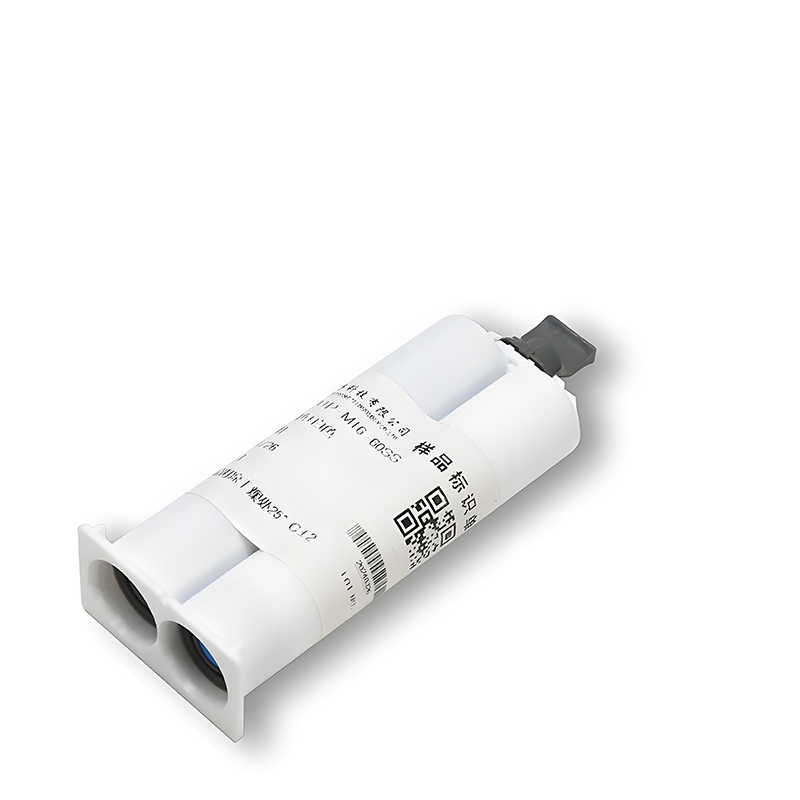
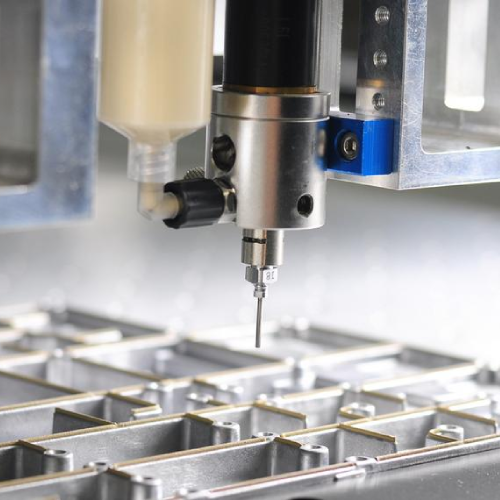
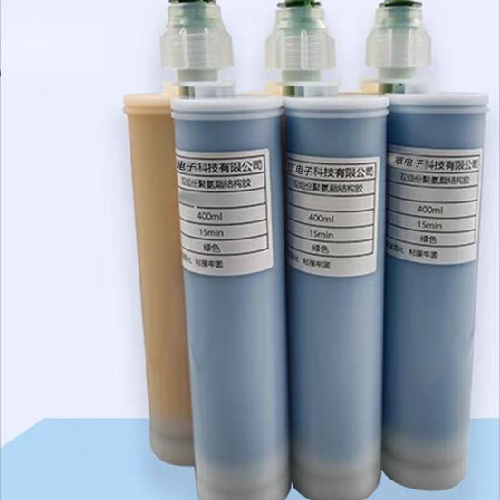
Use the 2W/mk Two-Part Thermal Gel HRTP-M16-GSR020WLW200 Series where you need fine control of mix, cure, and exact dispensing on large server runs.
- Good for moderate‑power CPUs
- Ideal for jig‑based assembly lines
2. 3W/m·k one‑part gel for versatile performance builds
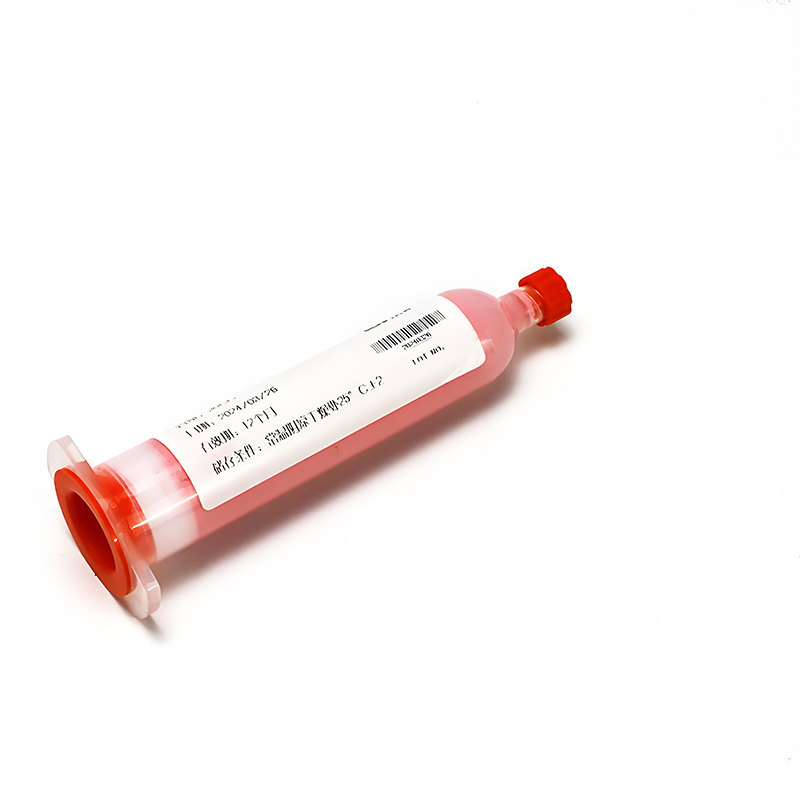
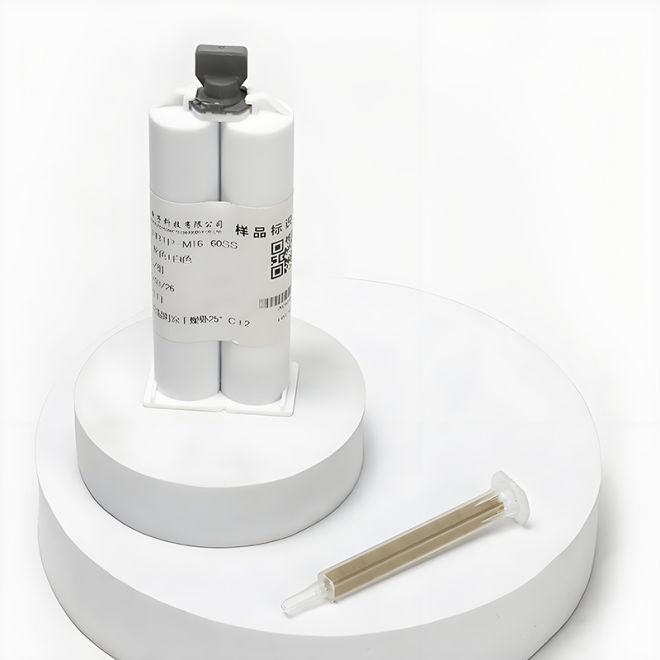
The 3W/mk One Part Thermal Gel HRTP-M16-GSN030VSW700 Series suits gaming desktops, workstations, and mixed‑use servers needing easy, repeatable application.
- Single‑component, no mixing
- Balanced cost and performance
3. 4.5W/m·k one‑part gel for high‑density and OC systems
For hot CPUs, use the 4.5W/mk One Part Thermal Gel HRTP-M16-GSN045VSW600 Series. It targets overclocked rigs and dense racks with strict thermal margins.
- High conductance for tight spaces
- Strong choice for edge and AI nodes
Conclusion
In 2026, CPU thermal gel is still a key part of any stable, quiet, and efficient PC or server build. Correct selection and careful application help keep boost clocks high and failures rare.
Match gel conductance and type to CPU power, cooler design, and duty cycle. For demanding projects, SpringGrass gels offer reliable options across budget and high‑end deployments.
Frequently Asked Questions about cpu thermal gel
1. How often should I replace CPU thermal gel?
For normal desktops, every 3–4 years is usually enough. For 24/7 servers or heavy overclocking, check temps yearly and re‑apply every 2–3 years if they rise.
2. Can I use too much thermal gel?
Yes. Too much gel creates a thick layer that slows heat transfer and can spill over the edges. Aim for a thin, even layer after mounting the cooler.
3. Is higher thermal conductive always better?
Not always. Higher thermal conductive helps, but you also need good contact pressure, a flat cooler, and proper airflow. Balance all parts of the cooling system.
4. Do I need different gel for servers and gaming PCs?
The same gel can work for both, but servers benefit more from long‑term stability and pump‑out resistance, while gaming rigs may focus on peak performance.
5. Is it safe to run a CPU without thermal gel?
No. Running without gel can cause very high temperatures within seconds, leading to thermal throttling or damage. Always use quality thermal gel between CPU and cooler.





 Privacy settings