



.png)


.png)



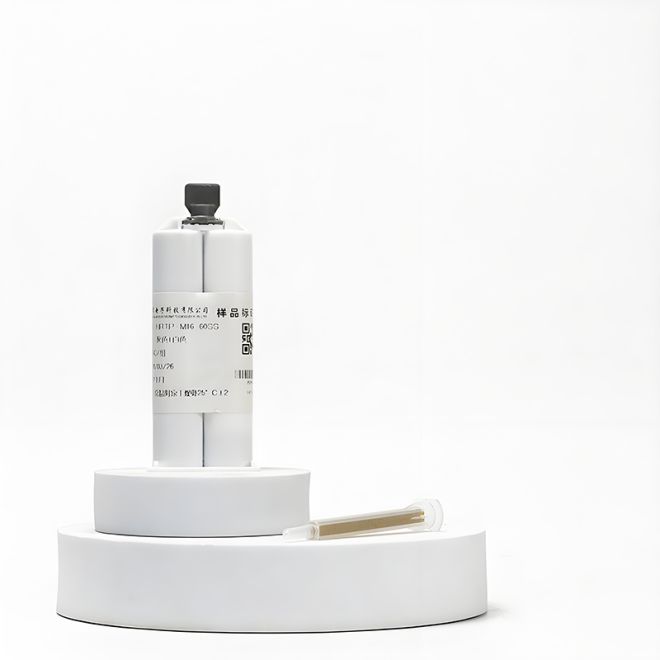
Your circuit runs hotter than a summer road trip, and you’re stuck wondering which thermal gel won’t turn your PCB into a tiny frying pan—or worse, a very expensive, very quiet space heater.
You fix this by choosing thermal gel based on conductivity, viscosity, and reliability, following trusted guides like this IEA technical report for data-driven decisions.
🔧 Understanding Thermal Gel: Functions, Benefits, and Basic Performance Indicators
Thermal gel fill air gaps between hot components and heat sinks. They improve heat transfer, protect devices, and support long-term, high-power electronic performance with stable contact.
Engineers use thermal gels because they flow into small gaps, apply easily in production, and allow rework. Good selection lowers operating temperature and extends product lifetime.
1. Core Functions of Thermal Gel
Thermal gel create a low-resistance path between device and cooler surface. They displace air, conform to uneven parts, and keep heat flow consistent across the interface.
- Fill micro gaps and surface roughness
- Reduce contact resistance
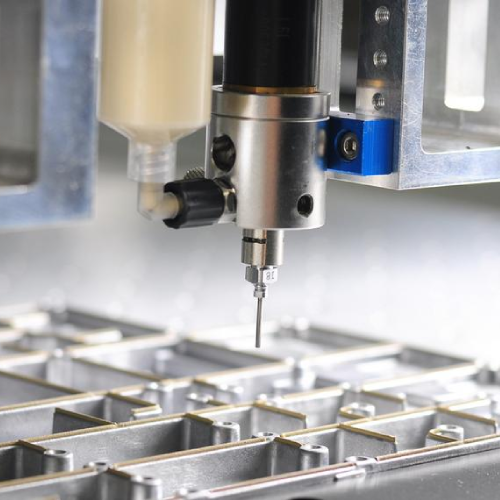
- Support automated or manual dispensing
2. Key Benefits for Electronics Design
Designers prefer gels when they need flexible, reworkable interfaces. Gels support complex boards, power modules, and LED arrays with varied heights and shapes.
- Easy assembly and rework
- Stress relief for fragile components
- Improved reliability at high temperature
3. Basic Performance Indicators to Compare
When selecting, focus on indicators that match system needs. Practical data matters more than headline thermal conductivity alone.
| Indicator | What It Affects |
|---|---|
| Thermal conductivity (W/mK) | Heat transfer speed |
| Hardness / softness | Contact quality, stress |
| Viscosity | Dispensing performance |
| Dielectric strength | Electrical insulation |
4. Common Application Scenarios
Use thermal gel wherever power density and uneven surfaces meet. Each application may need a different gel grade or dispensing strategy.
- Power converters and inverters
- Automotive ECUs and on-board chargers
- 5G telecom, servers, and storage
- LED lighting and battery packs
🌡️ Key Thermal Properties: Conductivity, Viscosity, Pump-Out Resistance, and Stability
Thermal properties govern how a gel behaves in real products. They affect cooling performance, process efficiency, and long-term reliability under harsh cycles.
Balanced selection prevents dry-out, pump-out, or cracking. Engineers should read full datasheets and check test methods, not just peak thermal conductivity numbers.
1. Thermal Conductivity and Real Interface Performance
Higher thermal conductive often means better heat flow, but contact quality, thickness, and mounting pressure also matter. Always link lab numbers to system testing.
- Check thermal conductive at rated temperature
- Compare with target thermal resistance
- Verify with on-board temperature tests
2. Viscosity and Dispensing Behavior
Viscosity affects pump choice, bead control, and cycle time. A good gel flows under pressure yet holds shape to prevent slump or leakage.
| Viscosity Level | Typical Use |
|---|---|
| Low–medium | Fast dispensing, narrow gaps |
| High | Thicker bond lines, vertical surfaces |
3. Pump-Out Resistance Under Thermal Cycling
Pump-out occurs when expansion forces push gel away from hot areas. Strong pump-out resistance keeps the interface stable over long thermal cycling.
- Test under repeated hot/cold cycles
- Observe edge movement and voids
- Use for EV, outdoor, and server hardware
4. Long-Term Stability and Aging
Stable gels resist oil bleed, cracking, and hardening. This keeps thermal resistance low and reduces field failures and warranty risk.
- Review high-temperature storage data
- Check UL and reliability reports
- Confirm stable dielectric properties
📐 Matching Thermal Gel Types to Power Density and Component Geometry
Correct gel type depends on watt load, part spacing, and surface flatness. Matching these factors improves cooling and simplifies assembly lines.
Consider bond-line thickness, pad height tolerance, and rework needs. One-part and two-part thermal gel each offer different trade-offs for cost and handling.
1. Low to Medium Power Density Designs
For moderate heat and simpler layouts, lower conductivity gels can still meet targets while saving cost and easing process demands.
- Good for consumer and office electronics
- Use thinner bond lines where surfaces are flat
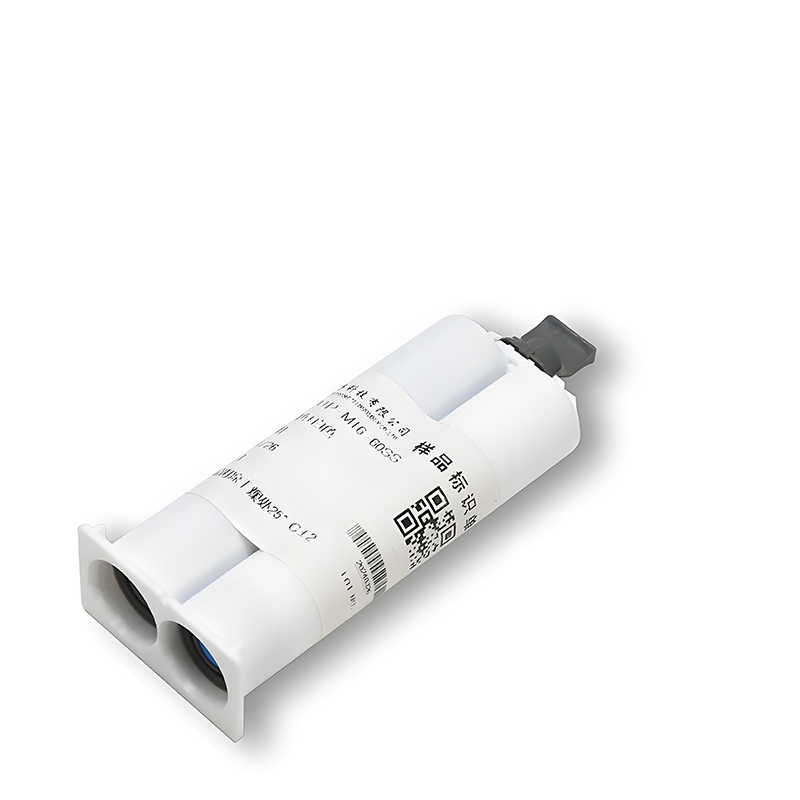
- Evaluate materials like 2W/mk Two-Part Thermal Gel HRTP-M16-GSR020WLW200 Series
2. High Power Density and Compact Layouts
When power is high and space is tight, you often need higher W/m·K gels that still stay soft to protect components.
- Ideal for power modules and server VRMs
- Check void risk in narrow gaps
- Consider 3.5W/mk Two-Part Thermal Gel HRTP-M16-GSR035WLW350 Series
3. Complex Geometry and Automated Production
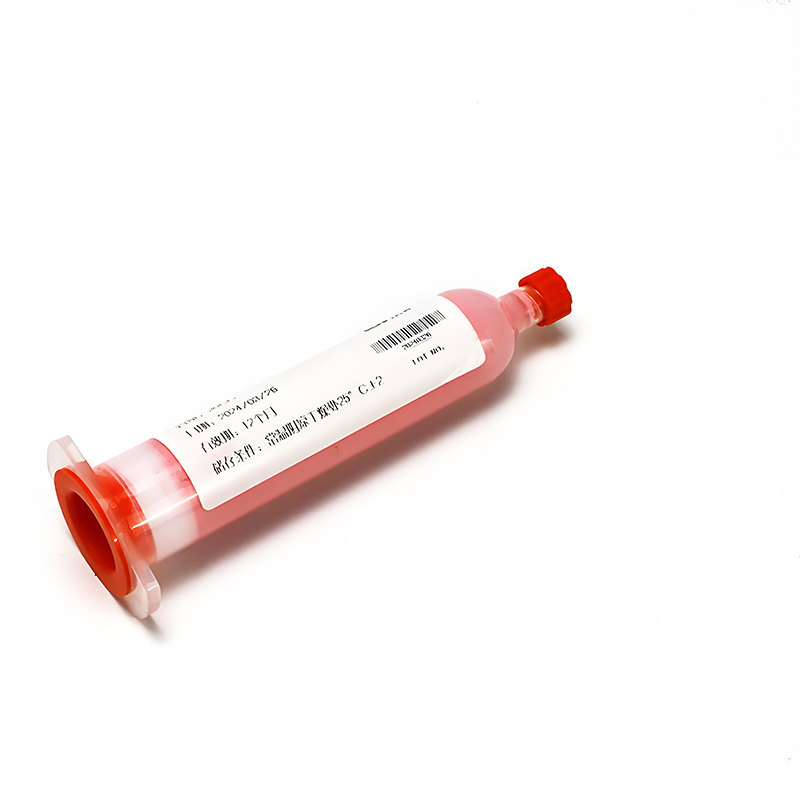
Irregular surfaces and high-volume builds benefit from dispensable one-part thermal gel that reduce mixing steps and shorten takt time.
| Need | Suggested Type |
|---|---|
| Fast automated lines | Pre-mixed one-part gel |
| Uneven heights | Soft, highly conformable gel |
| High power modules | 5W/mk One Part Thermal Gel HRTP-M16-GSN050VSG750 Series |
🧪 Reliability Considerations: Aging, Thermal Cycling, and Material Compatibility in Electronics
Reliable thermal gel remain soft, stable, and electrically safe over years of use. They must survive vibration, humidity, and repeated on/off cycling.
Testing early in design helps teams avoid requalification later. Include worst-case temperature, dwell time, and mounting pressure in all reliability plans.
1. Aging and Long-Term Stability
Aging tests reveal if gels dry, crack, or separate. Stable materials keep thermal paths efficient and reduce costly field repair work.
- Run 1,000–2,000 hour high-temperature storage
- Measure thermal resistance drift
- Inspect for oil bleed or surface changes
2. Thermal Cycling and Mechanical Stress
Thermal cycling expands and contracts materials at different rates. A good gel absorbs this stress without pumping out or losing contact.
| Test Aspect | Focus |
|---|---|
| Cycle range | Minimum and maximum temperatures |
| Cycle count | Expected lifetime events |
| Post-test check | Void level, cracking, shift |
3. Material and Chemical Compatibility
Gels must not attack plastics, metals, or coatings. Chemical stability avoids corrosion, swelling, or loss of adhesion at key interfaces.
- Check contact with aluminum, copper, and PCB solder mask
- Verify silicone compatibility for optical parts
- Look for third-party material approvals
✅ Practical Selection Workflow and Why Choose SpringGrass Thermal Gel for Projects
A clear workflow shortens validation time. Start from system heat targets, then narrow choices by mechanical limits, process needs, and lifetime tests.
SpringGrass thermal gel support this approach with tuned grades, full data, and application guidance for automotive, telecom, and industrial customers.
1. Step-by-Step Thermal Gel Selection Workflow
Define environment, then choose performance targets, then validate with hardware tests. This keeps decisions data-driven and easy to review with teams.
- Set max device temperature and ambient range
- Estimate interface thickness and pressure
- Select candidates, then build thermal demo units
2. Matching SpringGrass Grades to Typical Use Cases
SpringGrass offers a structured range that covers low to very high power needs while supporting both one-part and two-part processes.
| Series | Key Feature | Typical Use |
|---|---|---|
| 2W two-part | Balanced cost-performance | General power electronics |
| 3W two-part | Higher power density | Servers, telecom |
| 5W one-part | High performance, easy process | EV and industrial inverters |
3. Support, Testing, and Scaling to Production
Beyond materials, strong support matters. SpringGrass helps with sample selection, dispensing trials, and design reviews for faster ramp to mass production.
- Process advice for automated lines
- Joint thermal testing and optimization
- Stable supply and quality tracking
Conclusion
Choosing the right thermal gel means balancing conductivity, softness, and stability with real application needs. Good data and testing reduce risk and improve product lifetime.
By understanding power density, geometry, and reliability demands, you can match SpringGrass thermal gels to each design and support safe, efficient electronics at scale.
Frequently Asked Questions about thermal gel
1. How is thermal gel different from thermal grease or pads?
Thermal gel flows like a paste during assembly, then stays in place as a soft solid. It combines the conformability of grease with the handling stability of pads.
2. Can thermal gel be reworked or repaired?
Yes. Many gels allow you to remove the heat sink, wipe or scrape off old material, and reapply new gel without damaging the board or parts.
3. Do higher W/m·K values always give better cooling?
No. Bond-line thickness, surface flatness, and mounting pressure can offset conductivity gains. Always confirm performance with in-system temperature testing.
4. Are thermal gel safe for sensitive electronics?
Qualified gels are electrically insulating and pass common safety tests. Always check dielectric strength, ionic purity, and compatibility with your materials.
5. When should I choose a one-part versus two-part thermal gel?
Use one-part thermal gel for simpler dispensing and fast lines. Two-part thermal gel suit applications that need tailored cure profiles or wider pot-life control.





 Privacy settings