


.png)


.png)




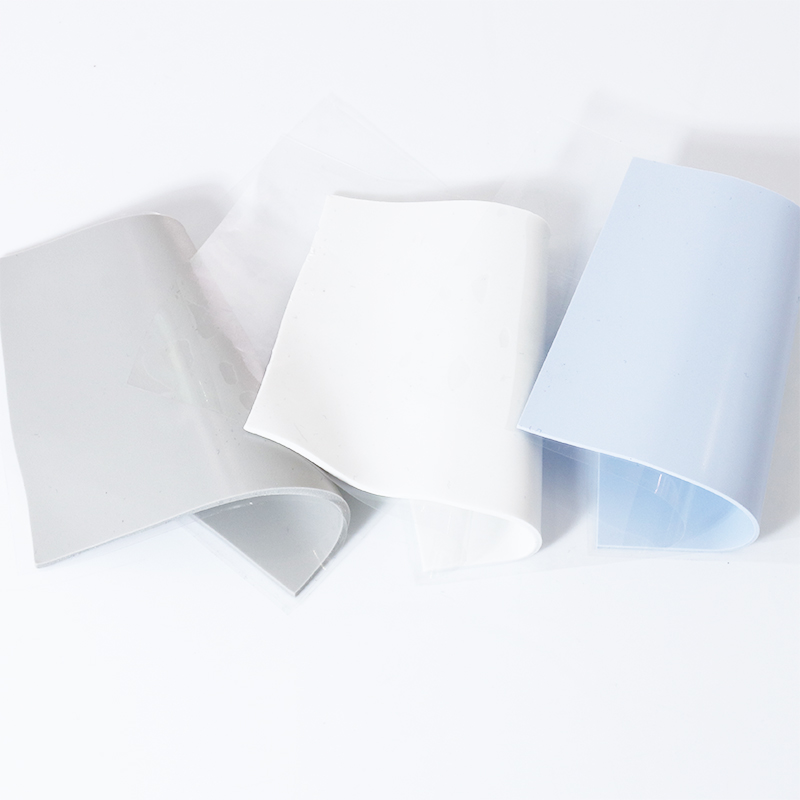
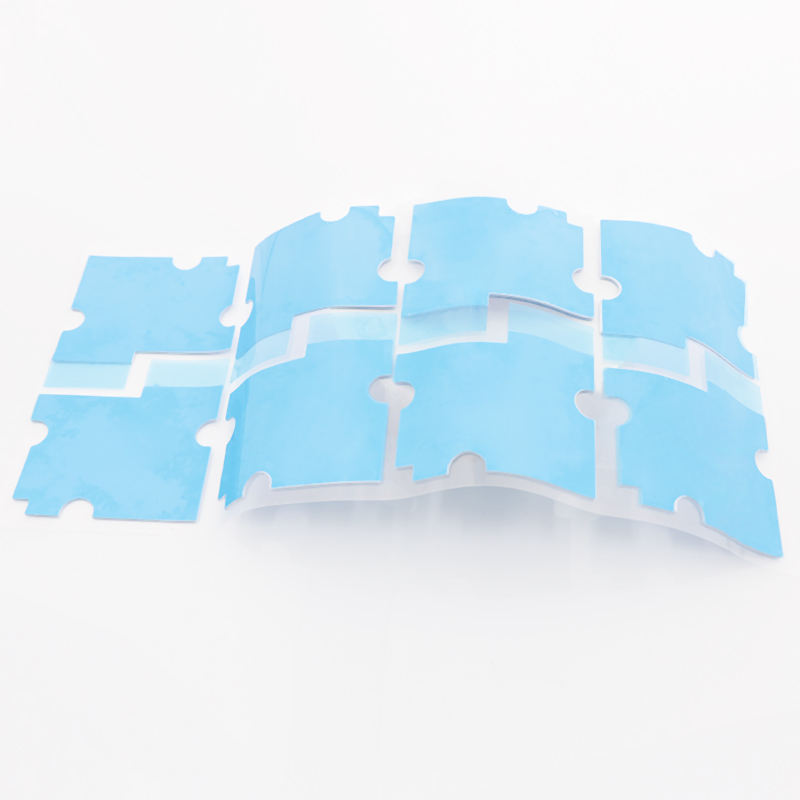
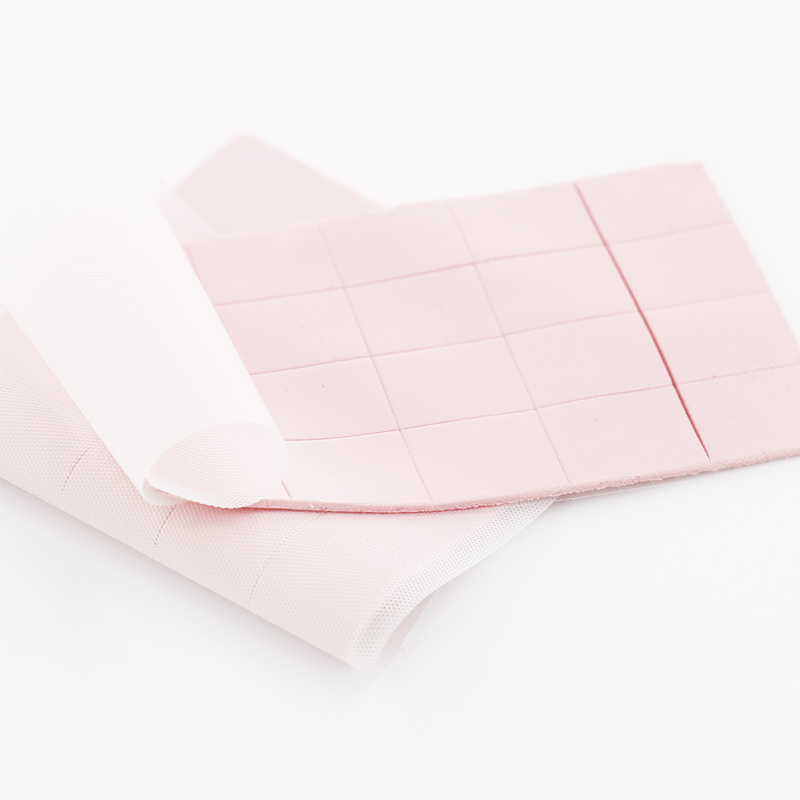
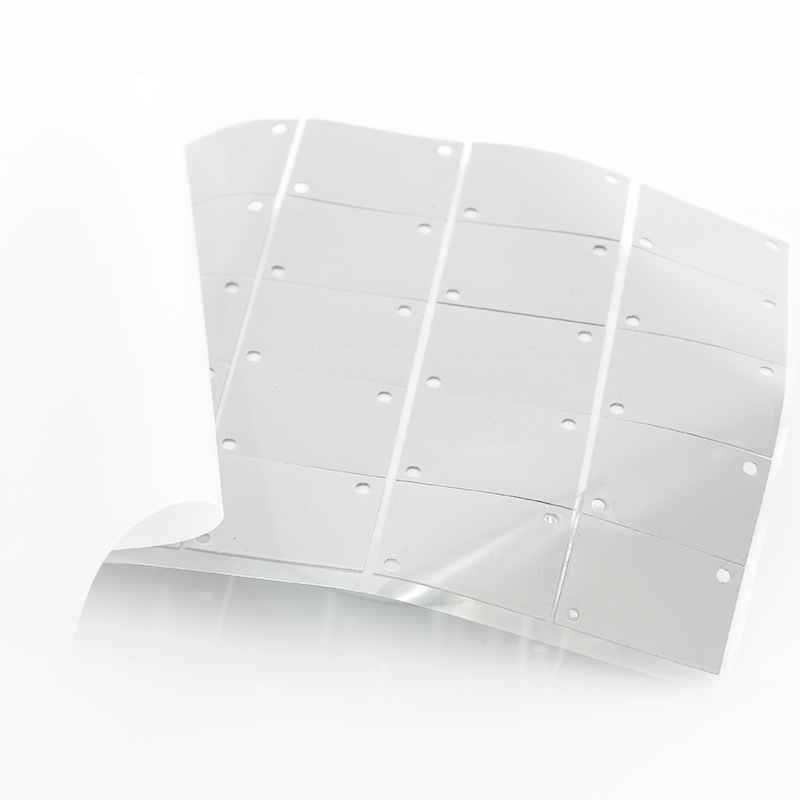
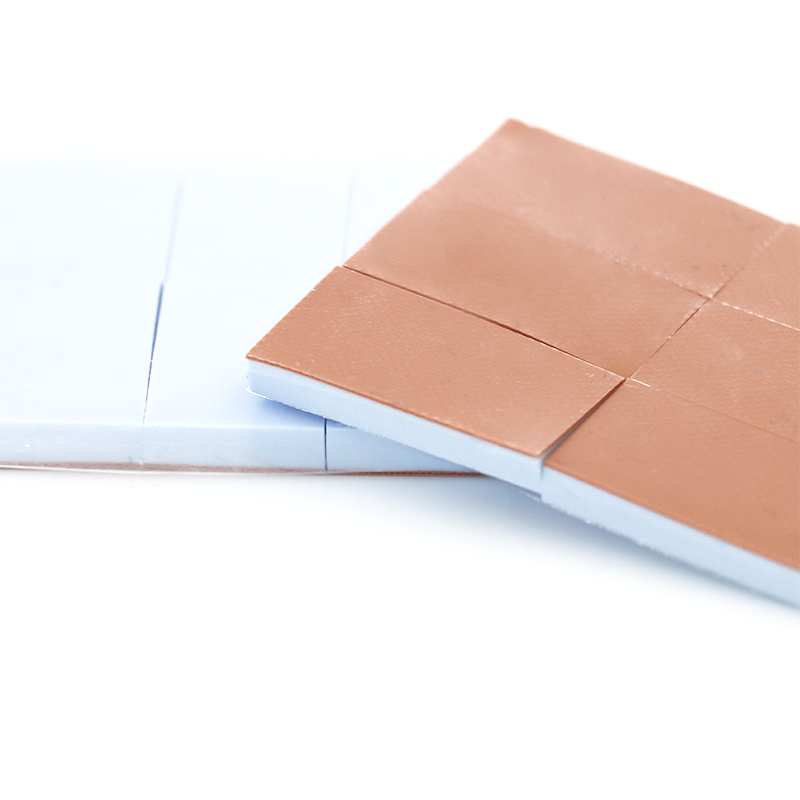
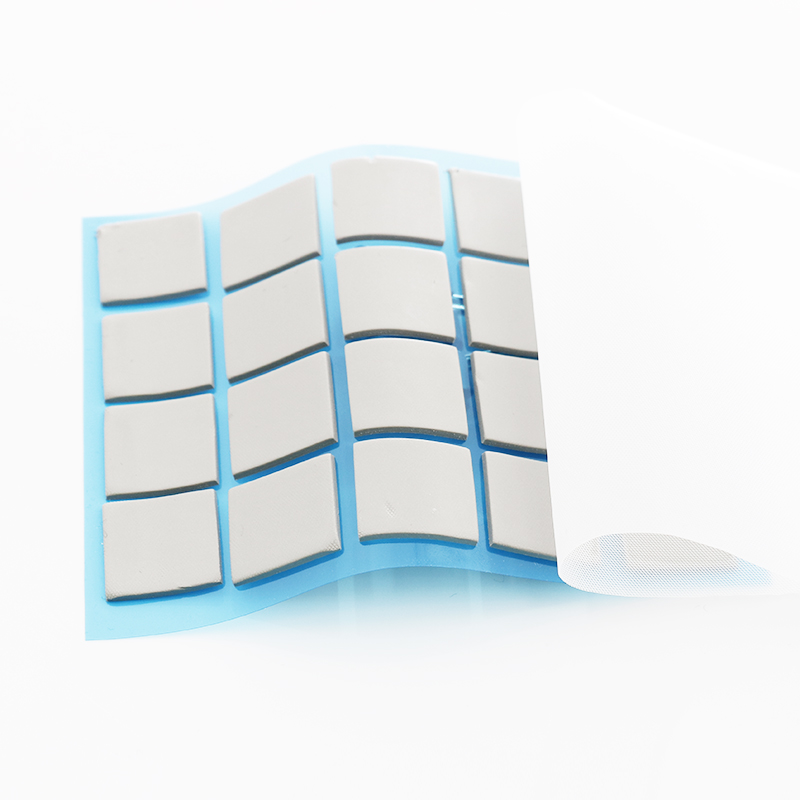
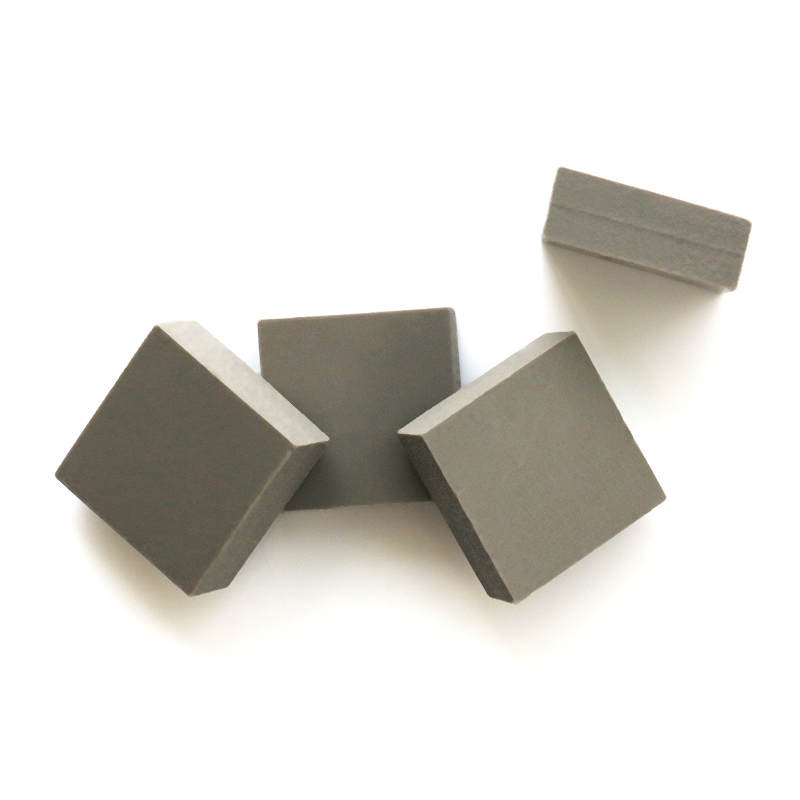
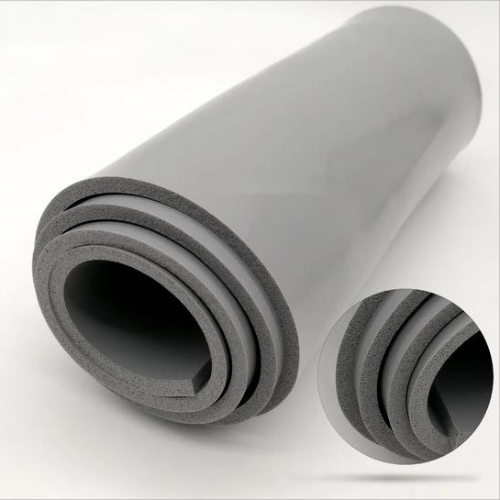
In high-power devices across the 3C, new energy, and industrial control sectors, thermal conductive silicone pads (also known as thermal pads or thermal interface materials, TIMs) serve as the "thermal bridge" connecting heat-generating chips to heatsinks or enclosures. They do more than just replace insulating air gaps to rapidly conduct heat away – they also provide insulation, shock absorption, and sealing functions. A poor selection can significantly compromise the entire system's thermal performance.
With so many thermal pads on the market – thermal conductivity, thermal resistance, thickness, hardness… which parameters really matter? We've broken down the 4 core selection criteria for you.
-
Thermal Conductivity – The Hard Metric for Heat Transfer "Speed"Thermal conductivity measures a material's ability to conduct heat – the higher the value, the more heat is transferred per unit of time. 1-5w-mk-thermal-pad-hrtp-m16-t01550nn-series589 However, higher isn't always better. The key is to match the thermal conductivity to the actual power dissipation of the heat source and the cooling capacity of the heatsink. For high-power applications with limited heat dissipation space, higher thermal conductivity (e.g., above 6 W/mK) may be necessary. In typical scenarios, over-specifying thermal conductivity only adds unnecessary cost.
-
Thermal Resistance – The "Hidden Killer" That Determines Actual Heat Dissipation Efficiency
Many engineers focus solely on thermal conductivity while overlooking thermal resistance. At the same thermal conductivity, lower thermal resistance delivers better heat transfer performance. Thermal resistance is influenced by multiple factors, including the material itself, interface contact pressure, and surface flatness. When selecting a pad, priority should be given to products with clearly specified and lower thermal resistance values.
-
Thickness – Thinner Is Better? Leave Enough Compression Margin – That's the Key
For the same material, thermal resistance is proportional to thickness – so thinner pads conduct heat more efficiently. But the design gap cannot be too small: assembly tolerances, surface roughness, and ease of installation must all be considered. A common industry rule of thumb is: Pad thickness = Actual gap × 1.2 (i.e., reserve 20% compression allowance). This ensures adequate contact while preventing damage or excessive rebound force caused by over-compression.
-
Hardness – Softer Means Better Conformity, But Too Soft Can Lead to Deformation
Hardness directly affects the pad's compressibility and interfacial filling ability under pressure. At the same thermal conductivity, lower hardness means higher compressibility, shorter thermal paths, and faster heat transfer. Softer pads fill microscopic surface irregularities more effectively, making them ideal for rough or uneven surfaces. However, excessively soft pads may be difficult to handle and prone to slipping or tearing during vertical installation.
-
-





 Privacy settings