













.png)


.png)



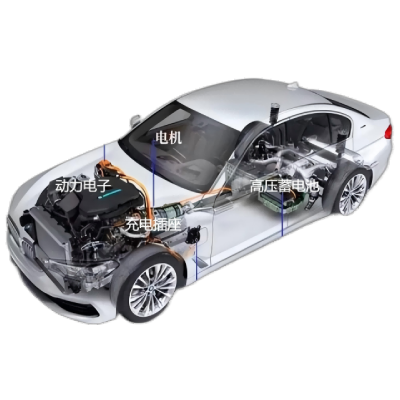
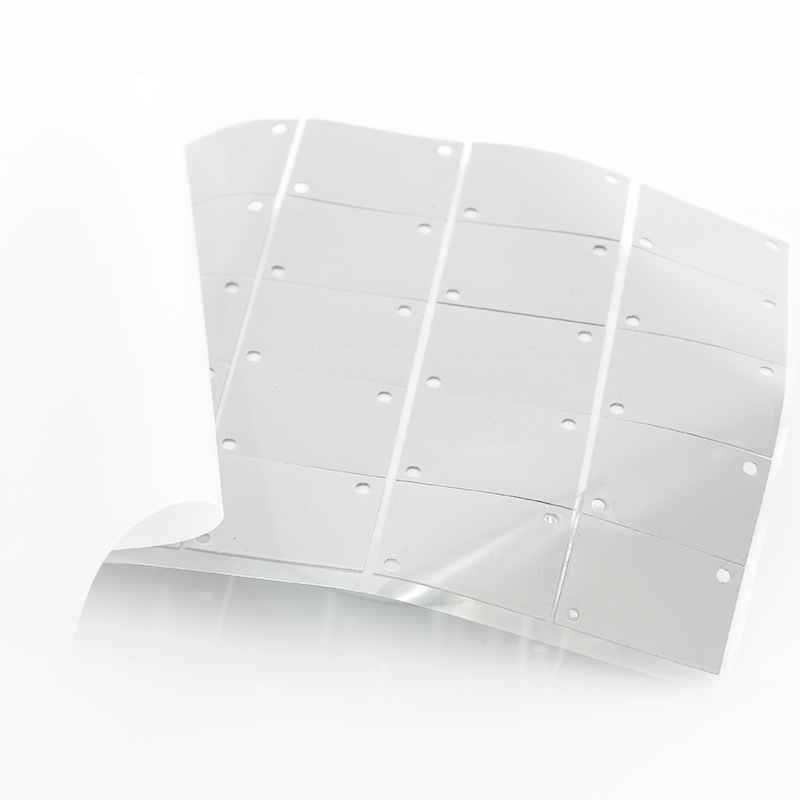
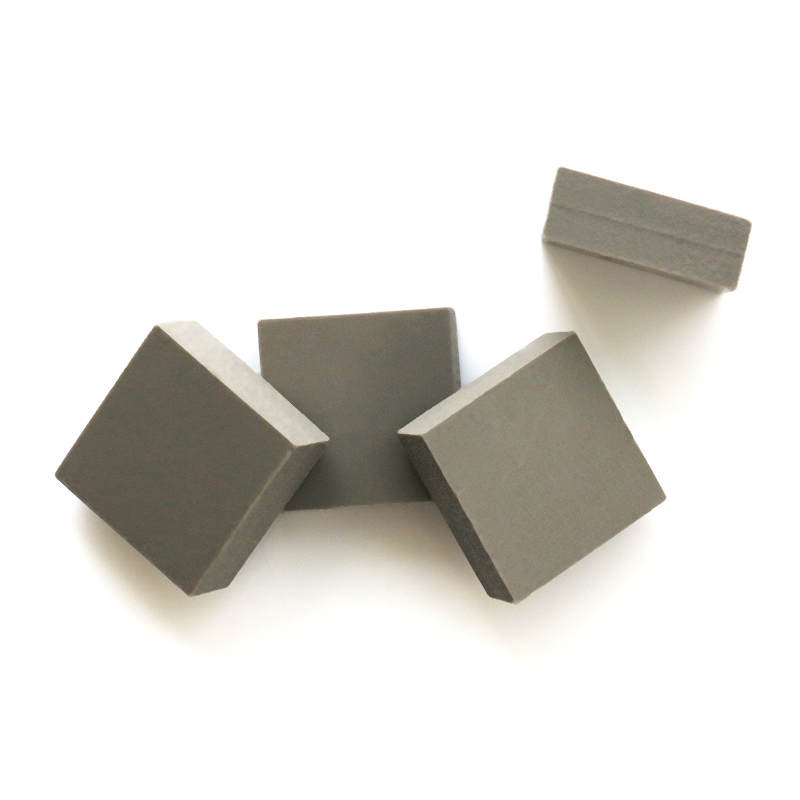
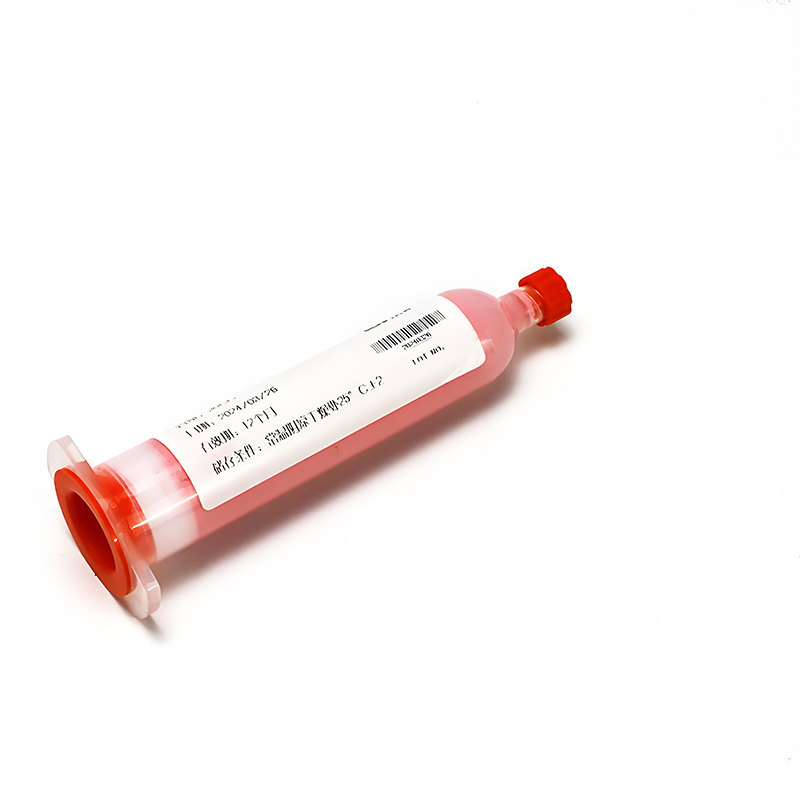
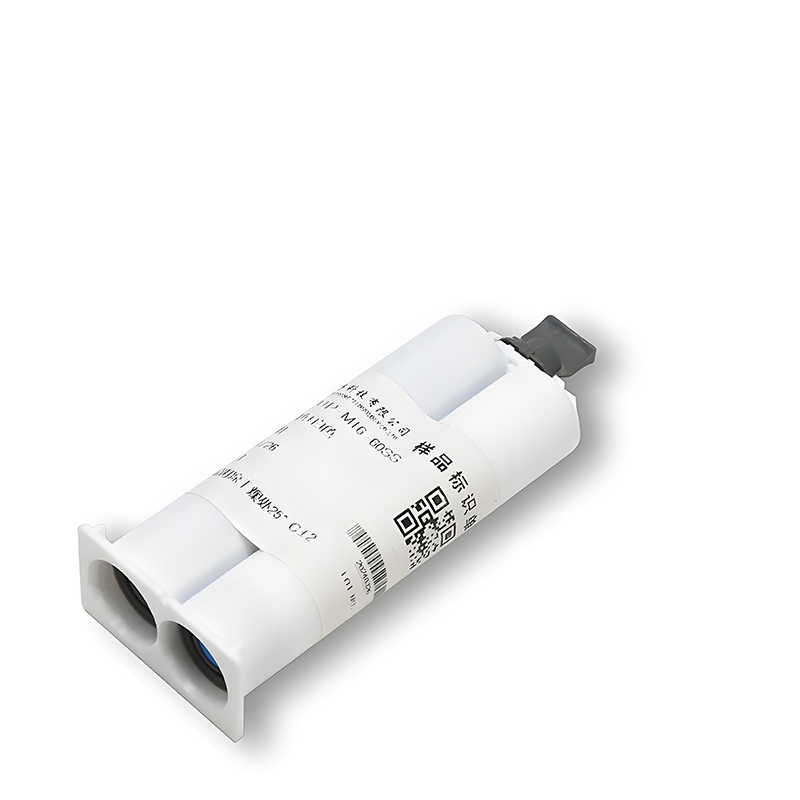
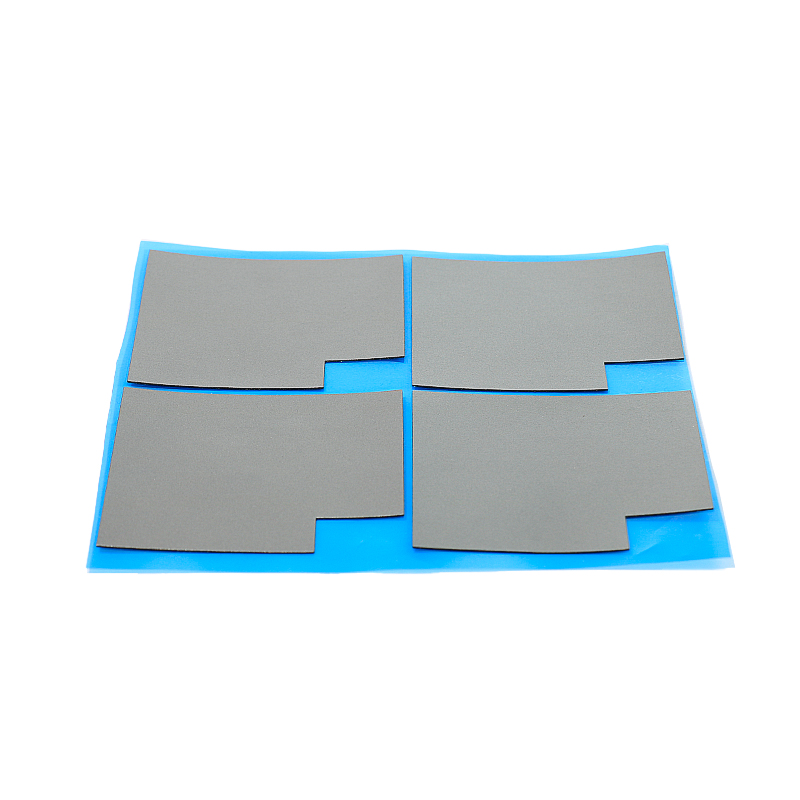
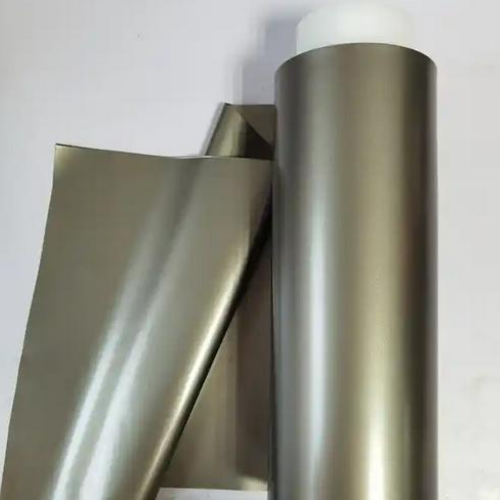
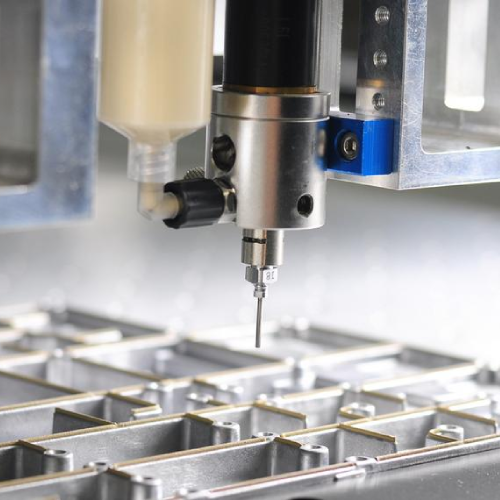
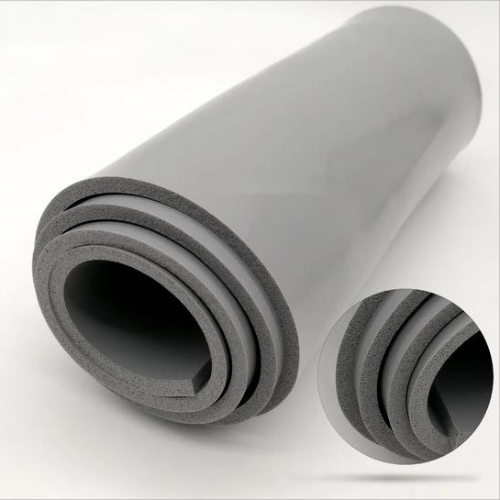
The rapid advancement of new energy vehicles (NEVs) is driving unprecedented demand for high-performance thermal management solutions. Within NEV power systems—including battery packs, drive motors, and onboard chargers—effective heat dissipation is paramount to safety, efficiency, and durability. Thermal interface materials such as silicone gap fillers, thermally conductive potting compounds, and high-stability thermal pads are increasingly deployed to manage heat in these high-power, compact environments.
As vehicle electrification and intelligence progress, the development of thermal materials is focusing on higher thermal performance, lighter weight, and enhanced processability. Future materials are being engineered to meet the evolving demands of next-generation automotive electronics, which require solutions capable of operating reliably under wider temperature ranges, greater mechanical stress, and longer lifespans.
The integration of advanced thermal management is no longer an afterthought but a critical design pillar in the development of safe, efficient, and high-performance new energy vehicles, underscoring the strategic importance of material innovation in this fast-growing sector.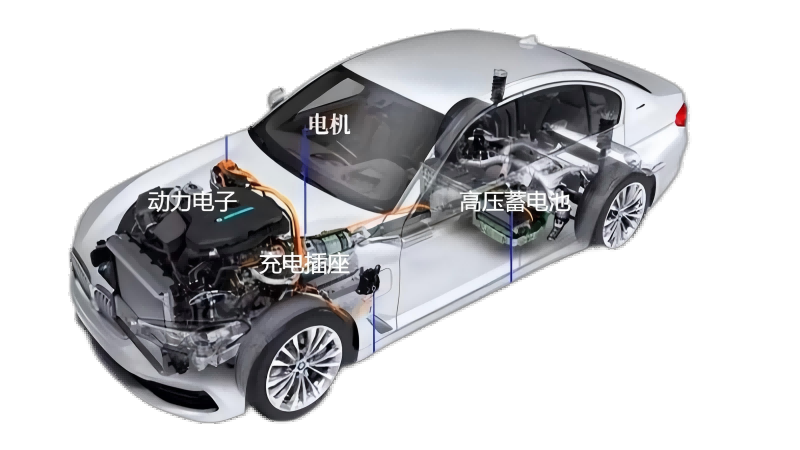





 Privacy settings