


.png)


.png)



Your devices are heating up like they’re auditioning for a summer BBQ, and you’re stuck guessing if cooling silicone pad prices will chill out or roast your 2026 budget.
This 2026 Cooling Silicone Pad Market Outlook and Price Trends guide, backed by insights like the Grand View Research Silicone Market Report, helps you plan smarter purchases, lock in better deals, and keep your gadgets—and wallet—cool.
📊 Global demand drivers shaping 2026 cooling silicone pad market outlook
The 2026 cooling silicone pad market will grow steadily as devices become thinner, hotter, and more connected. Demand strengthens in EVs, data centers, and 5G infrastructure.
Engineers seek pads with higher thermal conductivity, stable prices, and safe materials. This drives innovation in mid‑range and premium pads for diverse electronics and industrial uses.
1. Data centers and cloud computing expansion
Hyperscale data centers continue to add dense servers, GPUs, and AI accelerators, pushing strong demand for stable, high‑conductivity silicone pads.
- High power density servers
- AI and machine learning workloads
- Long service life requirements
2. Electric vehicles and battery thermal management
EV inverters, onboard chargers, and battery modules need reliable thermal interfaces that resist vibration and temperature cycles over many years.
- Stringent automotive safety rules
- Higher voltage powertrains
- Wide temperature operating range
3. 5G, IoT, and consumer electronics miniaturization
5G base stations, smart homes, and gaming devices all run hotter in smaller spaces, lifting demand for thin, soft cooling silicone pads.
| Segment | Key Need |
|---|---|
| 5G base stations | Stable performance outdoors |
| IoT devices | Thin and flexible pads |
| Gaming / laptops | Low thermal resistance |
4. Industrial automation and power electronics
Robotics, drives, and renewable energy inverters require pads that handle shock, dust, and long duty cycles without losing thermal performance.
- Motor drives and inverters
- Robots and cobots
- Solar and wind converters
🏭 Technological innovations improving thermal conductivity and durability in silicone pads
New fillers, matrix designs, and processing methods allow silicone pads to reach higher conductivity while keeping softness and strong electrical insulation.
Manufacturers also focus on lower outgassing, better flame ratings, and stable performance under pressure, vibration, and thermal cycling.
1. Advanced filler systems and conductivity gains
Engineers use hybrid ceramic fillers to balance cost, softness, and heat flow, enabling grades from 1.5W/m·K to 5W/m·K and beyond.
- Optimized particle size distribution
- Improved thermal pathways
- Better pad consistency
2. Durability under mechanical and thermal stress
Improved crosslinking and reinforcement give pads better tear strength and compression set, key for automotive and high‑power industrial uses.
| Property | Improvement Trend |
|---|---|
| Compression set | Lower, more stable |
| Tear resistance | Higher, safer handling |
| Thermal cycling | Longer lifetime |
3. Sample data: thermal performance by pad class
The following script shows a simple bar chart comparing typical thermal conductivity of entry, mid, and high‑end cooling silicone pad classes in 2026.
4. Application‑specific product optimization
Producers now tune hardness, thickness, and tack levels for each use case instead of pushing a single “universal” pad grade.
- Thin pads for laptops and phones
- Thicker, softer pads for EV battery packs
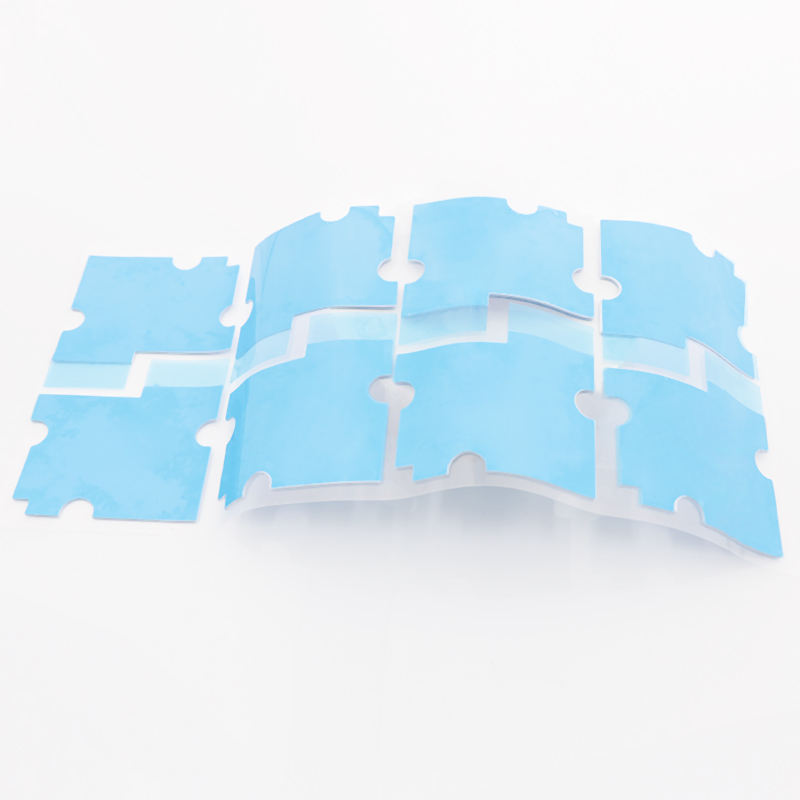
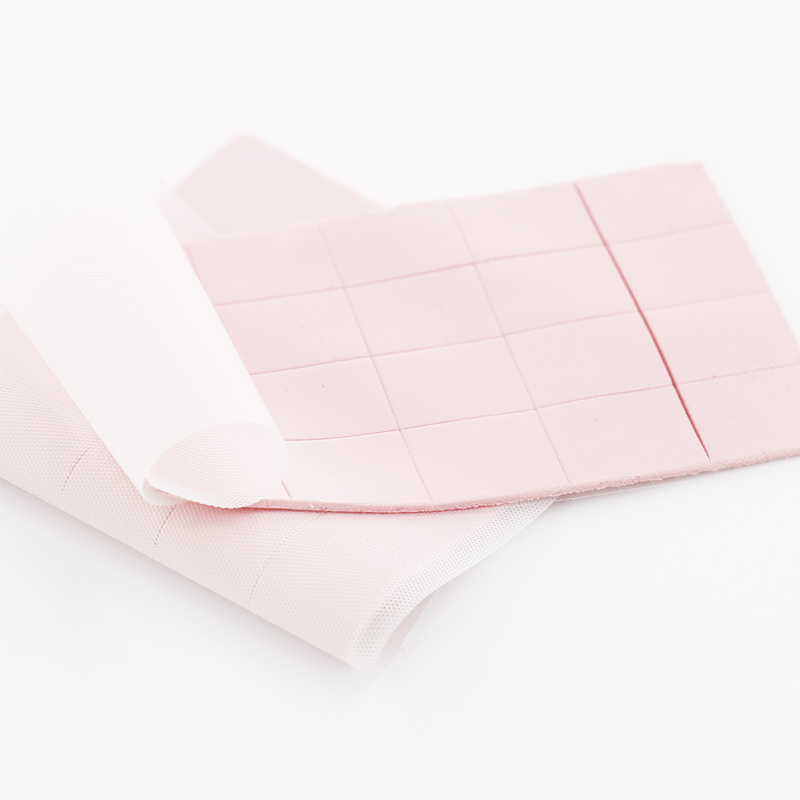
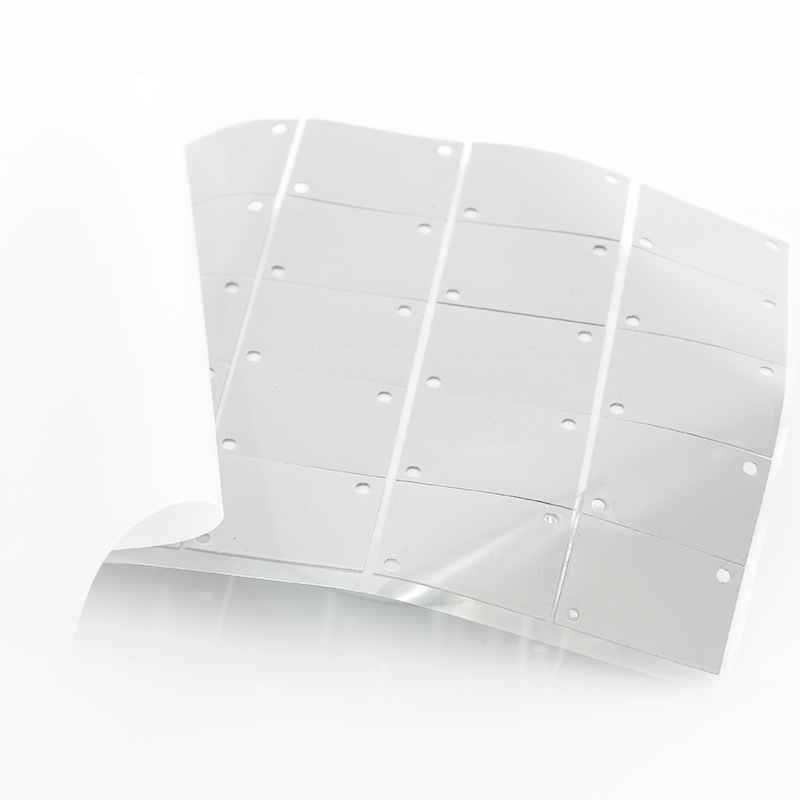
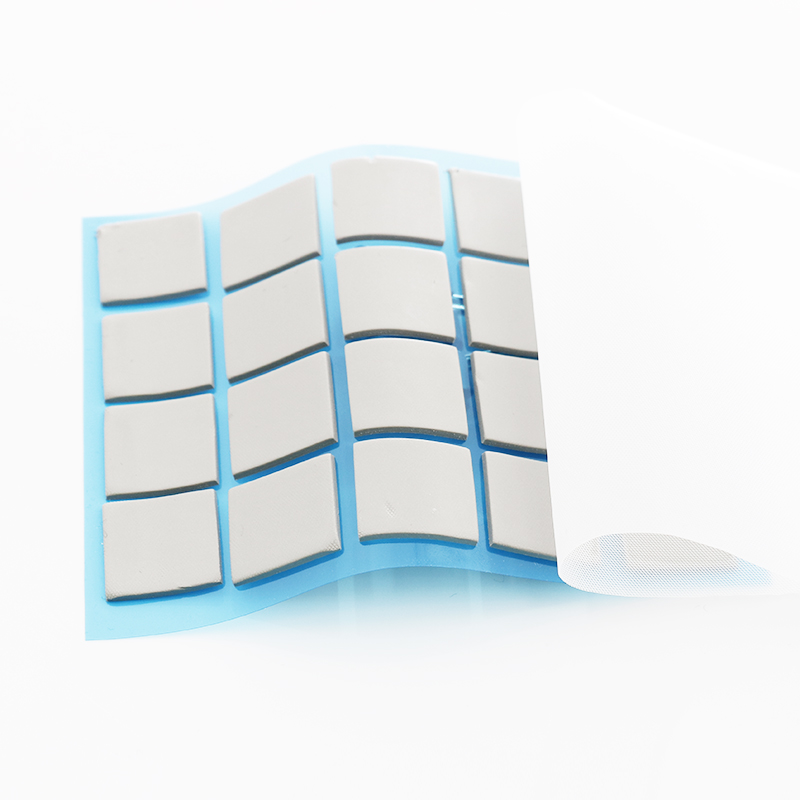
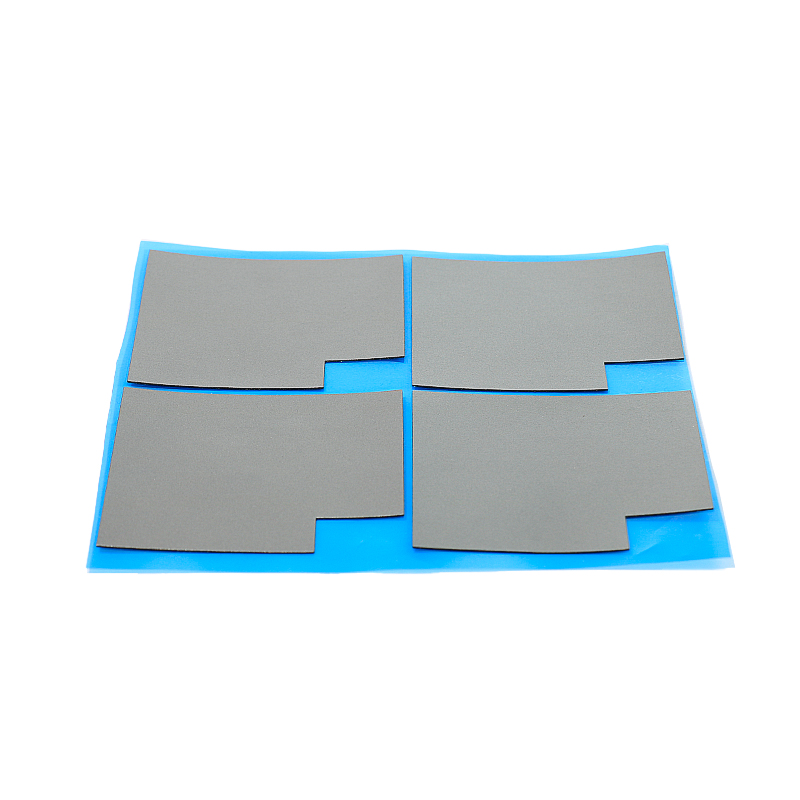
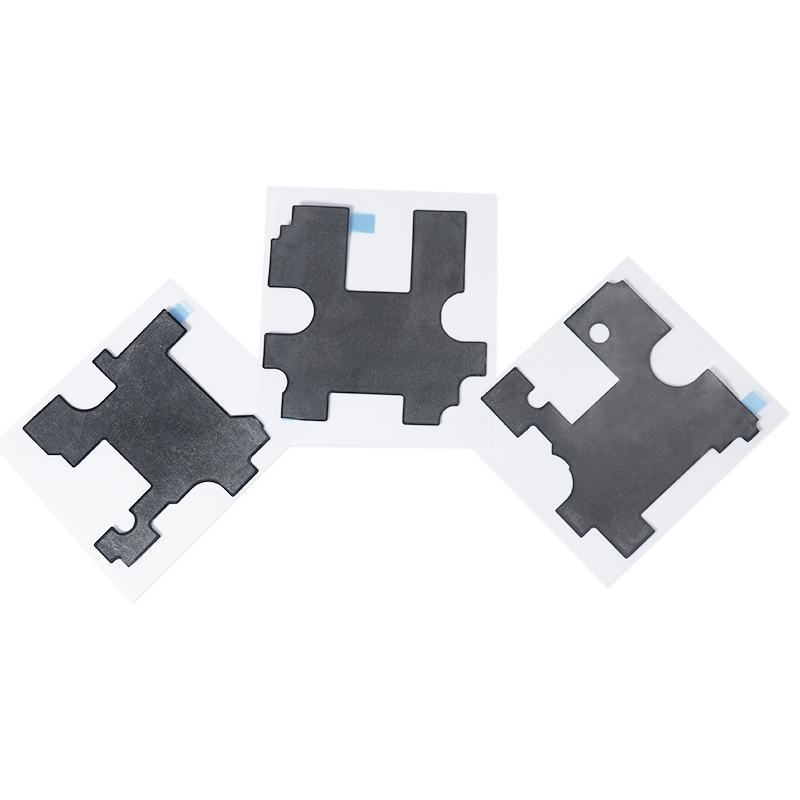
- Pre‑cut shapes for power modules
💰 Key factors influencing 2026 cooling silicone pad price fluctuations
Prices will reflect raw material shifts, energy costs, and complex customization demands, with mid‑range pads staying the most competitive segment.
Buyers should watch silicon feedstock, logistics, and regional policy changes when planning budgets and contracts.
1. Raw materials and energy costs
Silicone polymers, ceramic fillers, and electricity for mixing and curing lines strongly affect final pad pricing.
- Silicon metal price swings
- Energy tariffs and fuel costs
- Specialty filler availability
2. Scale, customization, and lead times
Highly customized thicknesses, pre‑cut shapes, or adhesive layers can raise per‑unit costs and extend delivery times.
| Order Type | Cost Impact |
|---|---|
| Standard sheets | Lowest |
| Custom thickness | Medium |
| Complex die‑cut | Highest |
3. Regional supply chain and policy risks
Import duties, logistics delays, and local safety rules may raise costs or push buyers to multi‑source across regions.
- Duties and trade policies
- Port congestion and freight rates
- Regional testing requirements
🌱 Sustainability trends and eco-friendly materials in cooling silicone pad production
Manufacturers work to cut emissions, waste, and hazardous content while keeping high thermal performance and long service life.
Green supply chains become a real buying factor for global electronics brands in 2026.
1. Low‑VOC and RoHS‑compliant formulations
Producers reduce volatile content and remove restricted substances to meet RoHS, REACH, and brand‑specific green policies.
- Low outgassing silicone systems
- Halogen‑free flame retardants
- Improved worker safety
2. Energy‑efficient processing and waste reduction
Shorter curing cycles, optimized mixing, and recycling of off‑cuts lower carbon footprint and operating costs.
| Action | Benefit |
|---|---|
| Process energy control | Lower CO₂ emissions |
| Material yield improvement | Less landfill waste |
3. Longer‑life pads supporting device sustainability
Durable pads help devices run cooler for longer, which supports repair, reuse, and extended warranties.
- Stable performance over years
- Less need for replacement
- Better total lifecycle footprint
🛠 Selecting reliable cooling silicone pads in 2026, recommended brand: SpringGrass
In 2026, design teams value clear data sheets, stable supply, and proven quality when choosing cooling silicone pads.
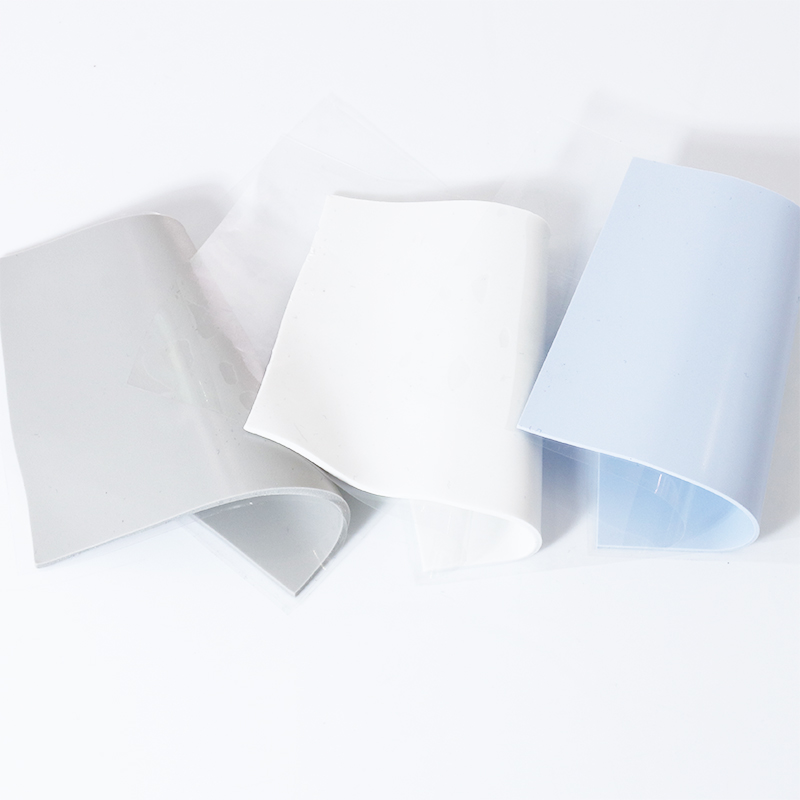
SpringGrass offers well‑defined product families that cover common thermal needs while keeping strong reliability.
1. Match thermal performance to application needs
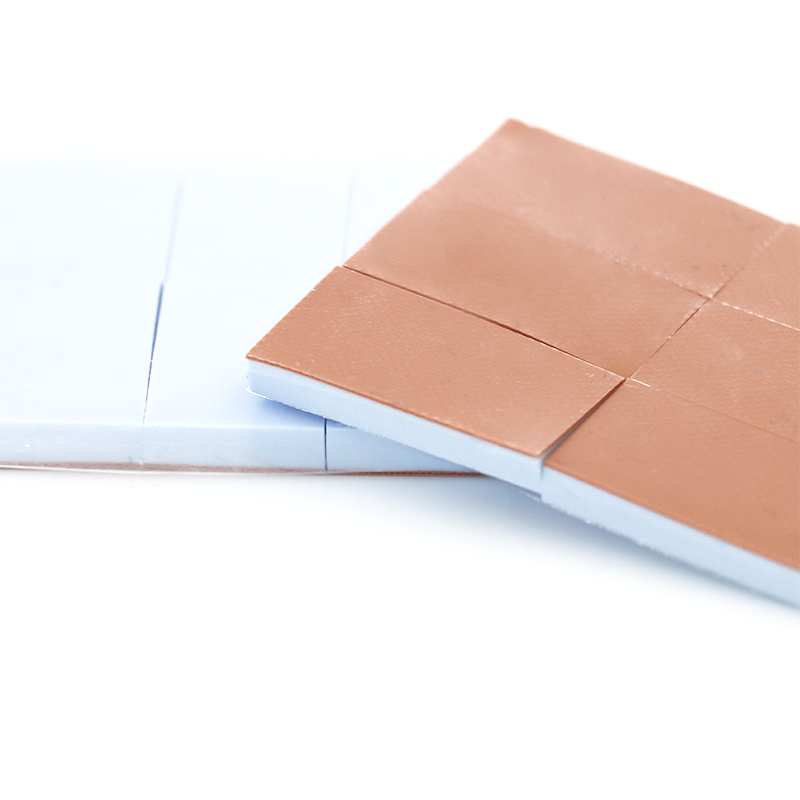
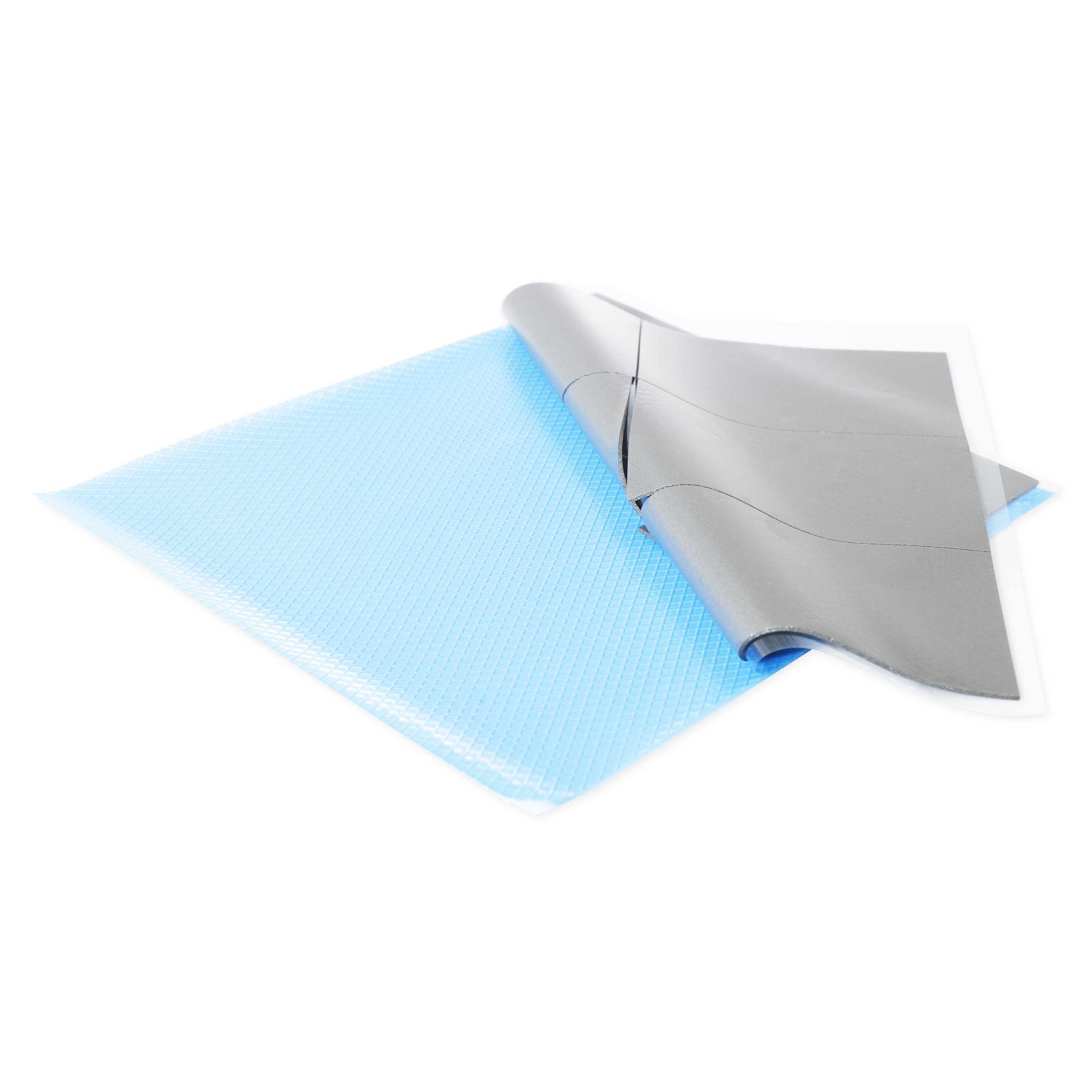
Entry to mid‑power devices can often use balanced pads like the 1.5W/mk Thermal Pad HRTP-M16-T01550NN Series for cost‑effective, stable heat spreading.
- Consumer electronics
- Low‑power modules
- LED lighting
2. Choose higher conductivity for dense or high‑power designs
For compact power modules or hotter chipsets, use stronger materials like the 2W/mk Thermal Pad HRTP-M16-T020 Series to reduce thermal resistance.
| Use Case | Suggested Class |
|---|---|
| Networking and routers | 2 W/m·K pads |
| Industrial controls | 2–3 W/m·K pads |
3. Target premium performance for AI, EV, and servers
High‑load and mission‑critical systems may benefit from solutions like the 5W/mk Thermal Pad HRTP-M16-T050 Series, which supports strong heat flow in tight spaces.
- AI accelerators and GPUs
- EV power modules
- Telecom base stations
Conclusion
The 2026 cooling silicone pad market will grow with AI, EVs, and cloud computing, while buyers face shifting prices and new standards.
Choosing trusted brands, matching pad grades to real heat loads, and valuing sustainable production will help engineers protect devices and budgets.
Frequently Asked Questions about cooling silicone pad
1. What does thermal conductivity (W/m·K) mean in silicone pads?
Thermal conductivity shows how well a pad conducts heat. Higher W/m·K means lower thermal resistance and better heat transfer from components to heatsinks.
2. How do I choose the right thickness for my application?
Select the thinnest pad that still fills gaps and tolerances. Too thick raises thermal resistance; too thin may not fully contact both surfaces.
3. Are cooling silicone pads electrically insulating?
Most silicone pads are designed to be electrically insulating while still conducting heat. Always confirm dielectric strength and breakdown voltage on the datasheet.
4. Can I reuse a silicone thermal pad after disassembly?
Re‑use is risky. Compression, tearing, and surface contamination can increase thermal resistance. For critical hardware, replace pads when you reopen assemblies.
5. What is the main difference between TIM grease and silicone pads?
Grease offers very low thermal resistance but is messy and harder to control. Silicone pads provide clean, stable installation with easier mass production handling.





 Privacy settings